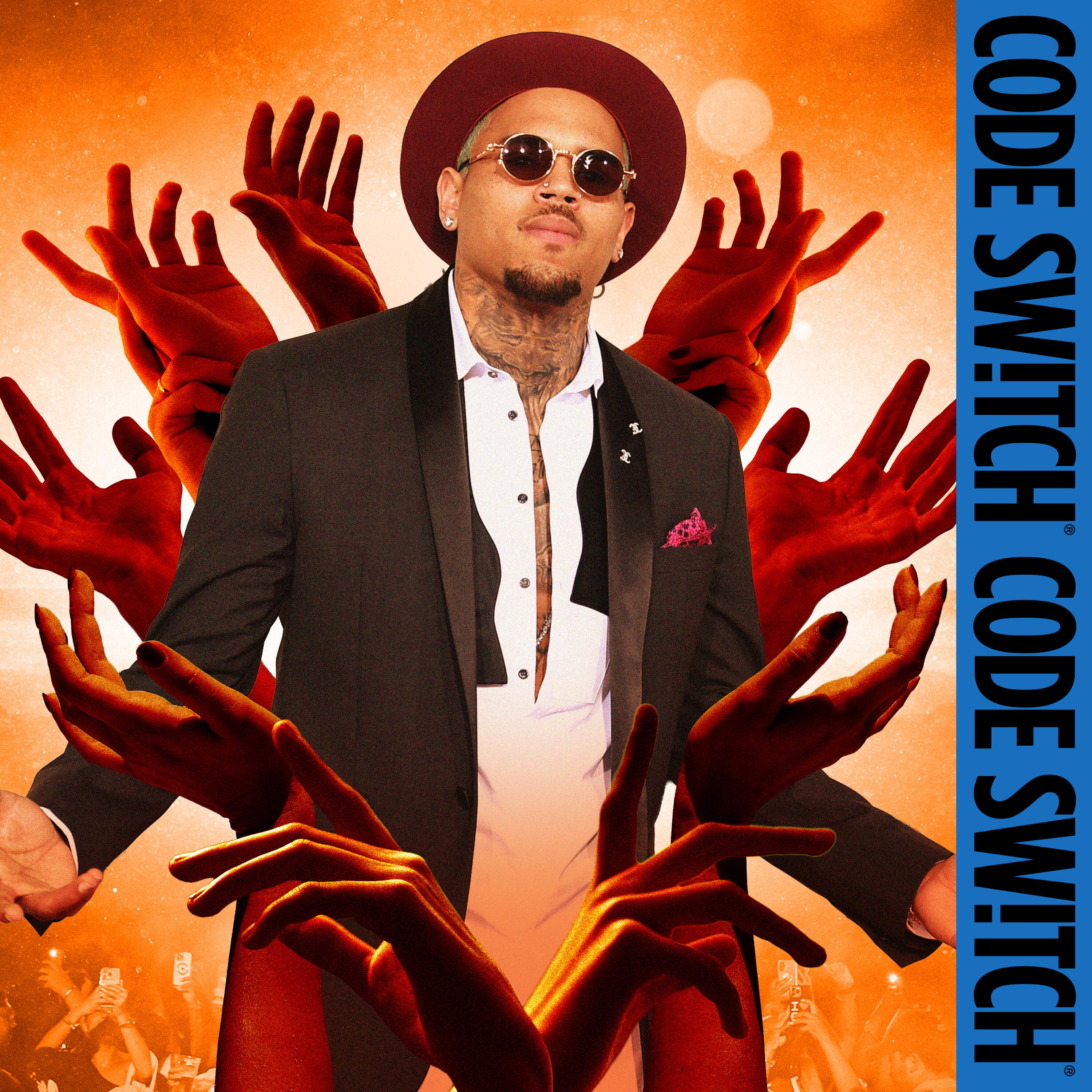
Overview of Chris Brown won’t get cancelled. This is why.
This NPR Code Switch episode examines why Chris Brown continues to enjoy mainstream popularity despite a long public history of violence against women and other abusive behavior. Using the backlash to Rep. Jasmine Crockett’s on-stage praise of Brown as a starting point, the hosts and guests unpack the cultural, racial, and gender politics behind “Team Breezy,” the tendency of some Black fans and celebrities to defend him, and the broader double standards around accountability, celebrity, and Black male protection.
What the episode is about
The conversation centers on a recurring question: why does Chris Brown remain so commercially successful and culturally protected after nearly two decades of documented incidents?
The episode revisits:
- The 2009 assault on Rihanna and the infamous leaked photos
- Later allegations and incidents involving girlfriends, family members, club fights, and assaults
- Brown’s guilty plea in London related to hitting a music producer with a bottle
- The public reaction when Jasmine Crockett honored Brown at a concert, despite her prior criticism of Donald Trump’s history of violence toward women
Key arguments and takeaways
Brown’s popularity is sustained by more than nostalgia
The guests argue that his fan base is not simply “forgetting” what happened. Many people are actively choosing to:
- minimize the violence,
- treat allegations as rumors unless there is a conviction,
- and separate the music from the person only when it is convenient.
Black male protection politics shape the response
A major theme is the instinct—especially within some Black communities—to defend Black men from consequences, even when the harm is directed at women and girls. The guests connect this to:
- broader racialized fears about over-policing Black men,
- church and conservative cultural norms around forgiveness,
- and the idea that criticizing Brown can be framed as betraying Black men.
Black women are often expected to do the protecting
The episode notes a painful pattern: Black women celebrities and public figures are often the ones who show support for Brown, but they are also the ones who face the most backlash when they do. Brown, meanwhile, rarely returns the favor or publicly defends them.
“Team Breezy” functions like a fandom with grievance at its center
The discussion describes Brown’s fandom as deeply organized around:
- loyalty,
- identity,
- and the belief that criticism of Brown is unfair or racially motivated.
For some fans, being “team breezy” is not just liking the music—it’s participating in a defense system.
Major topics discussed
Jasmine Crockett and the politics of public praise
The hosts open with the image of a politician honoring Brown at a concert, using that moment to show how normalized his celebrity still is. The backlash was especially sharp because Crockett has publicly criticized other men accused of harming women.
Racial double standards and selective belief in the justice system
The guests point out a contradiction:
- When Brown is accused but not convicted, many people suddenly insist on due process.
- When a Black man is convicted, the same people may say the system is biased.
That logic makes accountability almost impossible.
Why Brown is different from other controversial celebrities
The episode suggests Brown’s continued appeal comes from a mix of:
- talent,
- physical charisma,
- “bad boy” branding,
- and the fact that his music often centers love, sex, and desirability.
That makes the violence feel easier for fans to compartmentalize.
Transformative justice and accountability
One guest argues that real accountability would require Brown to:
- publicly acknowledge the harm,
- stop denying or minimizing it,
- seek help,
- and step away from the spotlight long enough to change.
But the episode is skeptical that such a shift is realistic at this point.
Notable insights
-
“The badness is part of the goodness.”
The episode suggests that for some fans, Brown’s harmful reputation is folded into his appeal rather than seen as disqualifying. -
Supporting Brown can feel like a loyalty test.
For some listeners, criticizing him is treated not as moral clarity but as betrayal. -
Public memory is short, but selective.
Brown’s history is widely known, yet many fans and defenders act as if only the Rihanna assault ever happened. -
The conversation is less about converting “Team Breezy” than about challenging the broader audience that normalizes his continued success.
Bottom line
The episode argues that Chris Brown’s career has endured because of a mix of celebrity culture, misogynoir, Black respectability politics, and the protective instincts some people have toward Black men accused of harming women. The hosts and guests make the case that this is not just about one celebrity—it’s about how society decides whose violence gets minimized, whose accountability is demanded, and who is expected to forgive.