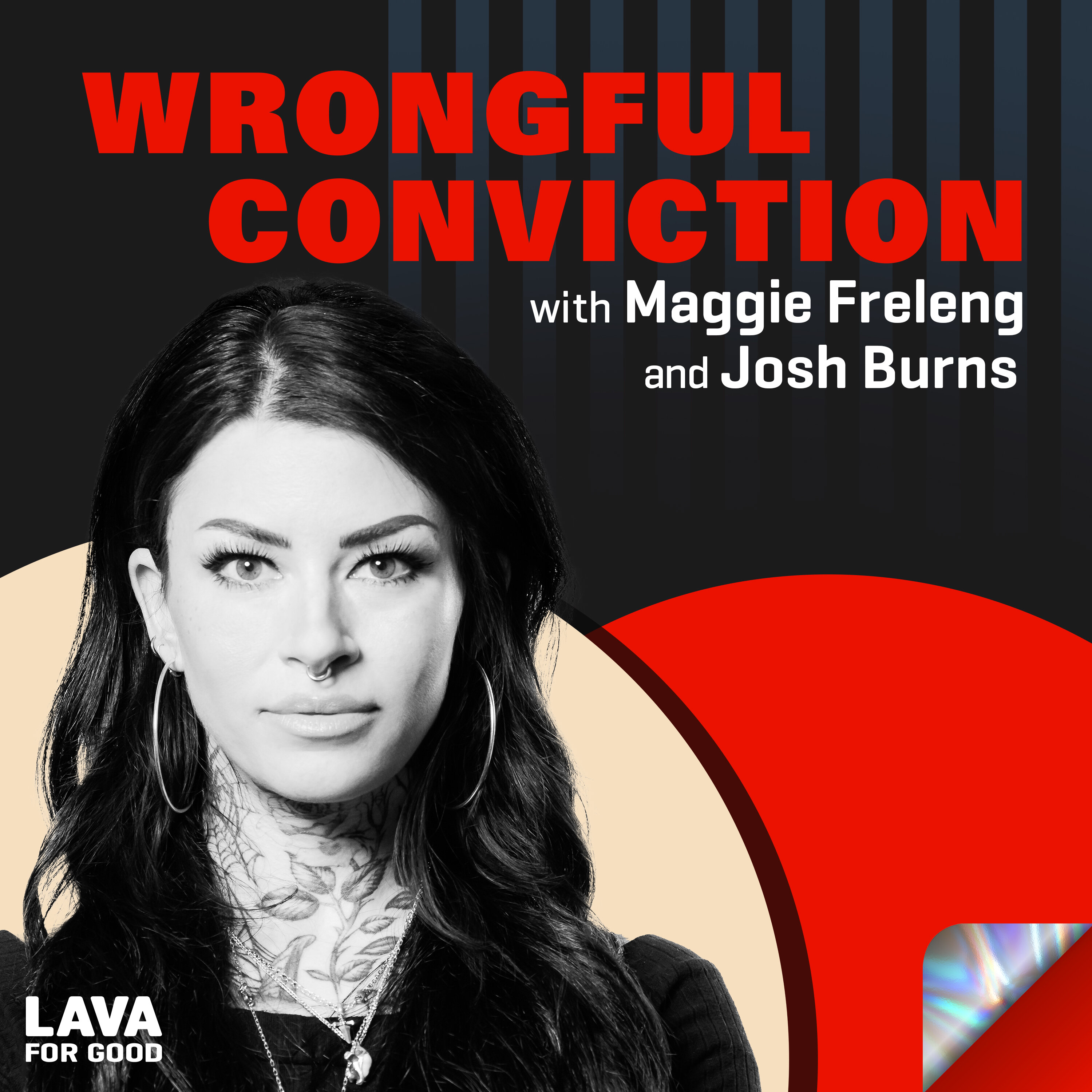
Overview of Wrongful Conviction #566 — Maggie Freeling with Josh Burns
This episode tells the story of Josh Burns, an airline pilot who was convicted in 2015 of second‑degree child abuse after his infant daughter Naomi suffered serious medical events in early 2014. Medical findings (retinal hemorrhages and subdural collections) following a difficult vacuum‑assisted delivery led child protection authorities and prosecutors to diagnose abusive head trauma (formerly “shaken baby syndrome”), remove Naomi to foster care, and pursue criminal and parental‑rights cases. Josh served a year in county jail, spent years fighting legally, and was ultimately exonerated in November 2024. The episode also covers Josh’s advocacy work since exoneration — particularly his support for other men convicted under similar theories (notably Robert Roberson and Andrew Rourke) — and critiques the medical science, institutional incentives, and courtroom dynamics that can fuel wrongful convictions in SBS/AHT cases.
Key points and main takeaways
-
What happened
- Naomi experienced lethargy, vomiting, pallor and ultimately respiratory distress weeks after a difficult birth involving multiple vacuum attempts and an emergency C‑section.
- Hospital clinicians identified retinal hemorrhages and subdural findings; a child abuse pediatrician concluded the injuries were due to non‑accidental trauma (AHT/SBS).
- CPS removed Naomi from her parents’ care; she spent seven months in foster care. Josh was criminally charged, convicted by a jury, and sentenced to one year in county jail (plus probation).
-
Why the case is controversial
- The so‑called SBS/AHT diagnosis has been under increasing scientific scrutiny for decades. Multiple benign and birth‑related causes (including vacuum delivery, birth trauma, illness, and coagulopathies) can produce the same findings.
- Expert science helpful to the defense was limited, excluded, or ignored at trial; emotionally powerful prosecution testimony often prevails with jurors.
-
Outcomes and consequences
- Josh lost nearly two years of time separated from his daughter, endured incarceration, and has ongoing family trauma (fear of adding children, triggers from loud knocks, counseling).
- He was exonerated when the Michigan Attorney General’s Conviction Integrity Unit joined a motion to vacate; exoneration came in November 2024.
- Since exoneration Josh has become an advocate and co‑host of a podcast (Unshaken Truth) to highlight problematic SBS prosecutions and to support other exonerees (e.g., Robert Roberson, Andrew Rourke).
Timeline (concise)
- Jan 7, 2014 — Naomi born after vacuum attempts and emergency C‑section.
- March 15, 2014 — Naomi becomes acutely ill (vomiting, limp episode, respiratory distress); hospitalization finds retinal hemorrhages and subdural findings.
- April 1, 2014 — Naomi released from hospital; CPS removes her days later; she enters foster care.
- 2015 — Josh convicted of second‑degree child abuse; sentenced to one year county jail (served).
- Sept 2015 — Michigan Innocence Clinic takes Josh’s appellate case (initial motion denied).
- Nov 2024 — Michigan AG Conviction Integrity Unit moves to vacate; Josh is exonerated.
- 2024–2025 — Josh becomes active in advocacy, testifies on behalf of Robert Roberson, co‑hosts Unshaken Truth podcast; ties to broader legal developments in Texas (Rourke decision, stays of execution).
Legal & scientific issues discussed
-
Scientific basis under dispute
- Shaken baby syndrome/AHT originated from an untested clinical hypothesis (Guthkelch, 1970s). Research since then shows shaking alone is unlikely to generate forces sufficient to cause the classic triad without accompanying spinal injury; other causes can explain bleeding/swelling/retinal hemorrhages.
- Over 80 medical conditions can mimic these findings; birth trauma (particularly vacuum extraction) can cause retinal hemorrhages and subdural collections.
-
Courtroom challenges
- Emotional testimony (state experts asserting abuse) often resonates more with juries than complex biomechanical, hematologic, or alternative‑cause science.
- Defense scientific evidence can be excluded or fail to persuade; polygraph results (even if passed) are inadmissible in many jurisdictions.
- Conflicts of interest and institutional incentives: the episode raises concerns about child‑abuse pediatricians connected to CPS grants and foster placement funding dynamics that can create perverse incentives to remove children.
-
Precedent and reform momentum
- Texas cases (Andrew Rourke, Robert Roberson) are highlighted as catalysts: Rourke’s exoneration and subsequent rulings (on “junk science” considerations) affected stays of execution and remands for further review.
- Conviction Integrity Units, new scrutiny of forensic medical testimony, and legislative attention to “junk science” help provide post‑conviction relief in some cases.
Impact on family & personal aftermath
-
Family trauma
- Naomi spent seven months in foster care and later rejoined her mother; Josh lost crucial early bonding years and felt estrangement when reunited.
- The experience traumatized the family: anxiety triggers, reluctance to have more children, ongoing counseling. Naomi (now autistic and verbal) was kept from the full story until guided by counselors.
-
Personal transformation
- Josh converted his ordeal into activism: supporting other exonerees, testifying before legislatures, co‑founding a podcast (Unshaken Truth) to raise awareness and push for reforms.
- He emphasizes the need to fight for those who are voiceless: “For those who can I am fighting… We are fighting for those who can’t.”
Notable quotes / soundbites
- “From this point on, they started treating us both like criminals.”
- “I was wrongfully convicted, spent a year incarcerated, and it took just over 10 years to be exonerated and declared innocent.” — Josh Burns
- “If you follow the money, that’s what it’s about.” — Josh on incentives in the system
- “For those who can I am fighting. We are fighting for those who can’t.” — Josh Burns (battle cry)
Recommendations / action items for listeners
- If you’re following similar cases:
- Encourage review by a Conviction Integrity Unit or innocence clinic when medical‑science evidence is central.
- Consult independent medical experts (neurology, ophthalmology, hematology, biomechanics) to evaluate alternative explanations.
- For advocates and policymakers:
- Support legislation/statutes that curb “junk science” testimony and improve standards for admissibility of forensic medical evidence.
- Fund and expand Conviction Integrity Units and medical review panels free from conflicts of interest.
- For the public:
- Share reliable resources and awareness about the limitations of SBS/AHT science; exercise caution before accepting sensational medical‑legal claims.
- Listen to/subscribe to Unshaken Truth and other exoneree advocacy channels to stay informed and support reform.
Resources mentioned or implied
- Michigan Innocence Clinic / Conviction Integrity Unit (Michigan AG)
- Unshaken Truth podcast (Josh Burns & Andrew Rourke)
- Cases referenced: Robert Roberson (Texas), Andrew Rourke (Texas)
- Wrongful Conviction with Maggie Freeling (Lava for Good) — episode for deeper listen
Credits: Episode produced by Lava for Good with Maggie Freeling; guest Josh Burns. Ads and sponsor reads are included in the episode (Sunday lawn care, WeatherBug, iFlag).