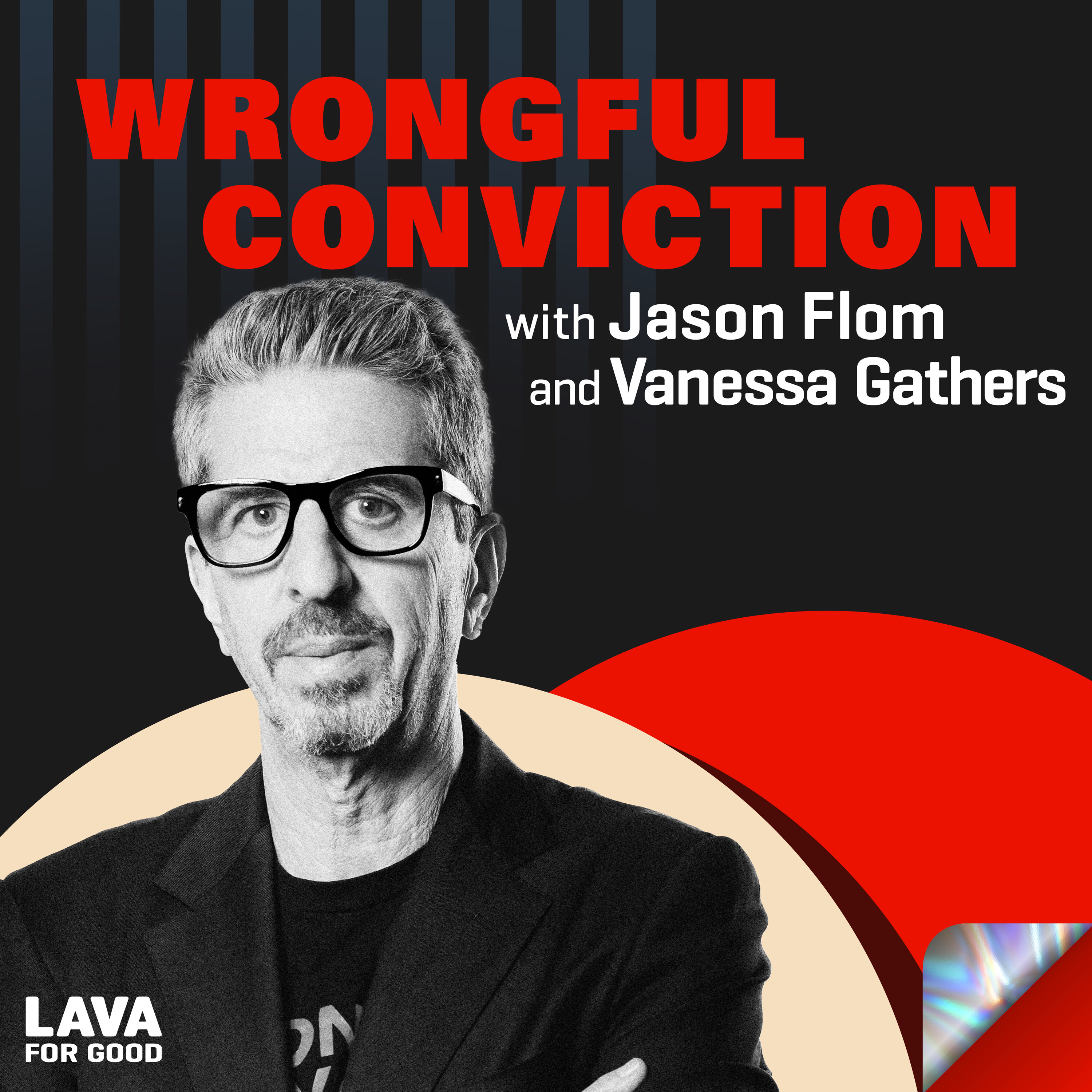
Overview of Wrongful Conviction #560 — Jason Flom with Vanessa Gathers
This episode of Wrongful Conviction (host Jason Flom) features Vanessa Gathers and her attorney Lisa Cahill. It tells Vanessa’s story of being coerced into a false confession by veteran NYPD detective Louis Scarcella, convicted of manslaughter in a 1991 Crown Heights case, serving 10 years in prison, and later having her conviction vacated through the Brooklyn DA’s Conviction Review Unit with help from the Legal Aid Society and Hughes Hubbard & Reed. The conversation highlights interrogation abuses, systemic failures (pretrial detention, overwhelmed defense), the human cost of wrongful conviction, and the reforms and advocacy that led to exoneration.
Key points and main takeaways
- Vanessa Gathers was convicted primarily on a coerced confession elicited by Detective Louis Scarcella; she served 10 years for a crime she says she did not commit.
- Scarcella used classic coercive interrogation tactics (false evidence ploys, isolation, promise of release, threats, control of phone contact), which contributed to Vanessa’s false confession.
- The confession contained demonstrable factual errors (e.g., wheelchair vs. no wheelchair; wooden cane vs. metal cane), supporting that it was unreliable/coerced.
- Pretrial conditions were severe: Vanessa spent 13 months in Rikers Island, had limited attorney contact, and faced inadequate defense at trial.
- The jury acquitted on the top charge (murder) but convicted for manslaughter—largely on the confession alone—reflecting how persuasive confessions can be even when unreliable.
- Exoneration came after reinvestigation by the Legal Aid Society, pro bono counsel at Hughes Hubbard & Reed, and the Brooklyn DA’s Conviction Review Unit (Ken Thompson’s office). Vanessa is the first woman among many Scarcella-related exonerations.
- Post-exoneration: Vanessa settled lawsuits, rebuilt life (bought a home, lives with daughter/granddaughter/great-granddaughter), and credits persistence and outside advocates for her release.
- Broader lesson: false confessions are a real and documented phenomenon (transcript cites “over 20%” of DNA exonerations involve false confessions).
Timeline / case summary
- 1991: Assault of Michael Shaw (initially robbery/assault; Shaw later dies, turning it into a homicide).
- Early 1990s: Initial neighborhood interviews did not identify Vanessa; case went cold.
- 1997: Detective Scarcella re-interviews Vanessa (six years later), brings her to precinct, polygraph, then extracts a confession after coercive interrogation. Vanessa signs a handwritten statement and later makes a videotaped statement (with an ADA present).
- Trial: Vanessa testifies the confession was coerced. Jury deliberates ~13+ hours, acquits on murder but convicts on manslaughter. Sentenced; serves 10 years total.
- Parole hearings: Early denials; under pressure and isolation, Vanessa made statements that appeared like admissions to parole boards (a common coercive dynamic inside prisons).
- Post-release: Legal reinvestigation by Legal Aid + Hughes Hubbard; conviction vacated and record cleared by Brooklyn DA’s Conviction Review Unit under Ken Thompson; civil settlement(s) followed.
- Present: Vanessa living in Jersey City with multi‑generational family, employed after release, home owner.
Interrogation & legal failures highlighted
- Coercive techniques detailed:
- False-evidence ploys (detectives lied about fingerprints, eyewitnesses, proof).
- Psychological pressure: friendly-then-hostile approach, isolation, exhaustion, withholding phone contact, implied promises of release.
- Physical intimidation: detective removed jacket, exposed gun, leaned over, threatened.
- Misuse of polygraph (subject not informed of purpose or that she was a suspect).
- Confession problems:
- Confession contained factual errors about the scene and weapons (helped defense later show coercion).
- Video confession was partially led by an ADA whose questions exposed Vanessa guessing on facts.
- Defense/justice system problems:
- Inadequate pretrial counsel (little investigation, sparse client contact).
- Long pretrial incarceration at Rikers with harsh conditions and limited lawyer access.
- Parole board incentives that pressure innocent people to “admit” guilt to get release.
- Systemic lack of early sensitivity to false-confession science at trial time (1990s).
Human impact
- Ten years lost: missed family events, inability to attend funerals, fractured relationships, financial hardship, long-term stigma from criminal record (until vacated).
- Long-term recovery: Vanessa found post-release employment through people she met in prison programs; later purchased a home and now lives with multiple generations of female relatives.
Systemic context and reforms
- Detective Louis Scarcella: implicated in multiple questionable convictions; his cases prompted reinvestigations and numerous exonerations.
- Conviction Review Units (e.g., Brooklyn DA’s) and pro bono partnerships (Legal Aid + firm partners) play crucial roles in identifying and remedying wrongful convictions.
- Awareness of false confessions and forensic reinvestigation has increased since the 1990s; expert testimony and scientific research now more commonly inform courts.
Notable quotes
- “Don't presume that people are guilty when you see them on TV because it may just be a dirty DA that is trying to rise upward.”
- “They make you feel helpless and then they extend an olive branch.” (on interrogation ploys)
- Vanessa on coping in prison: “I wasn’t going to let the time do me. I was going to do the time.”
Action items / recommendations (for listeners)
- If detained by police: invoke your right to remain silent and request an attorney. Limit initial information to name and address until counsel is present.
- Support organizations that work on wrongful convictions (e.g., Innocence Project).
- Advocate for procedural reforms: recording of entire interrogations, limits on false-evidence ploys, better access to counsel pretrial, stronger post-conviction review units.
Resources mentioned
- InnocenceProject.org (donations and advocacy)
- Wrongful Conviction podcast — Instagram: @WrongfulConviction; Facebook: Wrongful Conviction Podcast
- Legal Aid Society; Hughes Hubbard & Reed (counsel involved in reinvestigation)
If you want a short bullet-point summary for sharing on social media or a 1‑minute oral recap, I can produce that next.