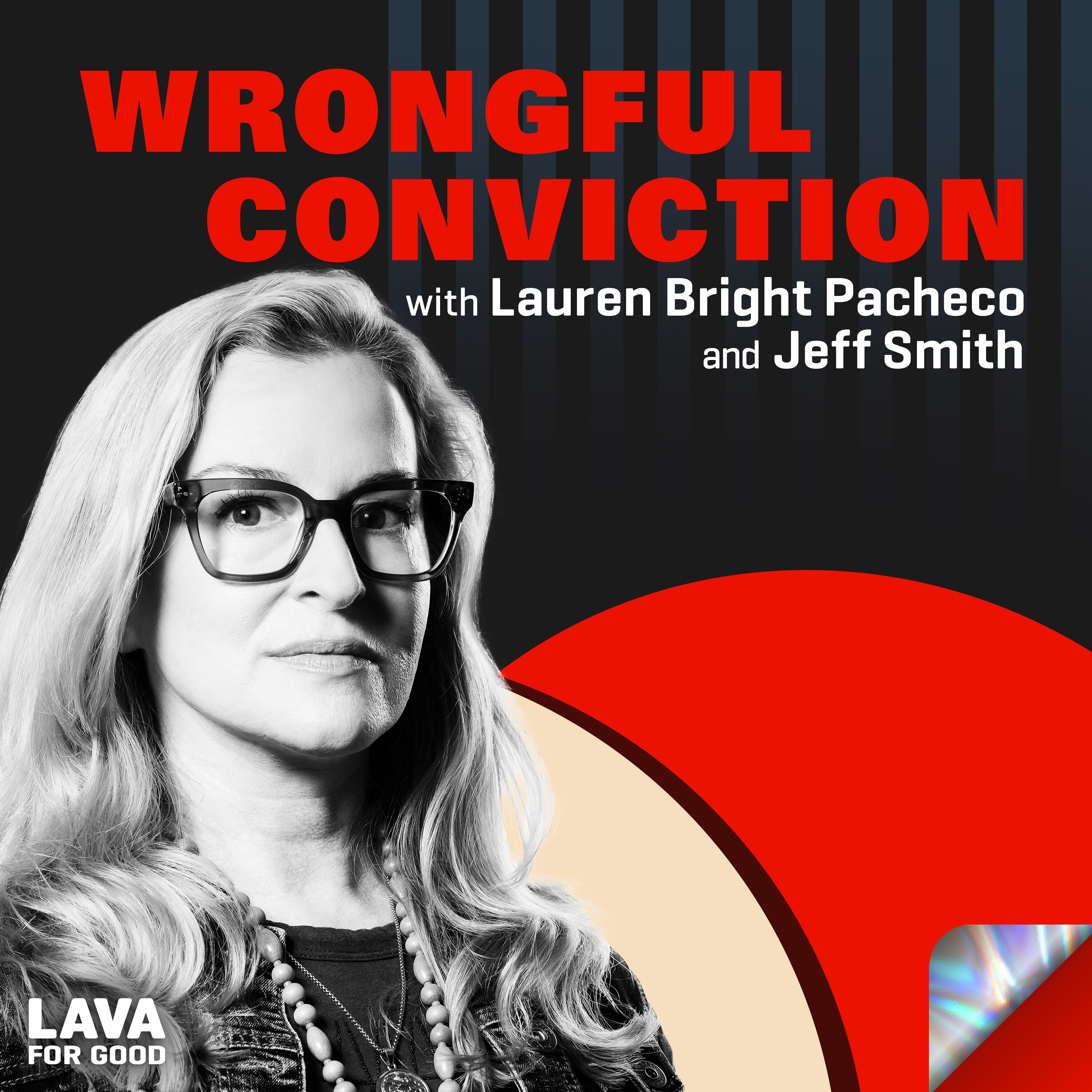
Overview of Wrongful Conviction #553 — Lauren Bright Pacheco with Jeff Smith
This episode tells the story of Jeff (stage name “ATP / Jay Rich”), a Waterloo, Iowa rapper wrongfully convicted in a 2006 nightclub murder. Hosts Lauren Bright Pacheco and investigator/attorney Tom Frerichs walk through the arrest, the failures and manipulation in the police investigation and prosecution, the years Jeff spent incarcerated, the forensic work that undermined the state’s timeline, his eventual grant of a new trial in 2025, and his October 2025 release on bond (after community-raised funds). The episode highlights systemic problems—tunnel-vision policing, incentivized witnesses, missing evidence, prosecutorial delays—and ends with calls for public attention and support for exonerees.
Key people & timeline
- Victim: Tanya (Tonya) Jackson — fatally shot July 9, 2006, at Club Chris Stiles (Waterloo, IA).
- Alleged identifiers on scene: Bud Dunn, Shalandra Dunn (initially gave inconsistent/fake names; later identified Jeff).
- Police/officials: Officer Bose (repeated stops/harassment of Jeff); prosecutor Kim Griffin (long continuances).
- Defense/investigators: Tom Frerichs (investigator/attorney), Catherine Mahoney (defense on possession charge), PI Scott Gracious, audio experts.
- Jailhouse informants: Rayshon McLarity, Jeffrey Grafton (testified against Jeff after deals).
- Alternative witnesses/suspects: Jeanette Grisby, Willie Mack Ketten, Patrick Salas — pointed to other suspects; the alternative suspect later murdered.
- Timeline:
- July 9, 2006 — shooting at Club Chris Stiles.
- 2006–2009 — investigation, arrest (drug charge used to detain), trial and conviction (2009).
- 2009–2025 — years of appeals, new evidence development, delays.
- 2025 — court grants new trial (ineffective assistance + new evidence); October 2025 Jeff released on bond after community bail fund raised $75,000. State appealed the new-trial grant to the Iowa Supreme Court.
What happened (concise narrative)
- After a nightclub shooting that killed Tanya Jackson, initial witness reports were chaotic. A 911 caller and recorded jail phone calls mentioned the shooter by Jeff’s stage name, but descriptions and vehicle colors were inconsistent.
- Police focused on Jeff, conducted a search after someone else had already ransacked his apartment, and allegedly planted/claimed to find 0.3 grams of cocaine in an oversized coat. That small amount was elevated into an intent-to-deliver charge to keep him detained on high bond while they built the murder case.
- Witness testimony at trial relied heavily on incentivized jailhouse informants and people whose statements were allegedly coached or inconsistent. Key surveillance (club cameras) and dashcam footage from responding police cars were missing or claimed not to have been recording.
- The prosecution moved the official time of the shooting forward (~9:17 p.m.) to negate Jeff’s cell‑phone–based alibi (he was on a call 9:08–9:10 p.m., miles away). Forensic work later showed the 911 calls and jail call audio overlapped, placing shots at 9:08, undermining the prosecution’s timeline.
- New witnesses and confessions (including testimony from people tied to other suspects) emerged later, providing a different suspect and motive. Combined with ineffective-assistance claims and forensic findings, this produced a successful motion for a new trial.
Problems with the investigation & evidence (key issues)
- Tunnel vision: Police fixated on Jeff after his stage name was mentioned and converted a purple Aurora lead into Jeff’s blue Monte Carlo in reports.
- Incentivized testimony:
- Jailhouse snitches received sentence reductions or other benefits (e.g., McLarity went from 25 yrs to much less after cooperating).
- Witness statements were allegedly coached or changed (including minors told what car color to report).
- Evidence destruction/loss:
- Club surveillance footage and dashboard camera recordings were not preserved or were reportedly not recording; official explanations were delayed or inconsistent.
- Metadata for 911 recordings appeared scrubbed or missing during the key period.
- Timeline manipulation: The prosecution’s adoption of a later shooting time conflicted with a recorded jail call and landline records that place the shots earlier—evidence which defense experts later corroborated.
- Possible planting: A tiny amount of drugs (0.3 g) allegedly found after the apartment was ransacked, used to justify high bond and prolonged pretrial detention.
Legal battle & outcome
- Conviction in 2009 based on contested witness ID and informant testimony.
- Post-conviction work by defense (including PI and audio experts) uncovered:
- Conflicting witness accounts and coached statements.
- Forensic audio analysis aligning jail-call audio and 911 calls at an earlier time.
- New witnesses pointing to other suspects and motive.
- New trial granted in 2025 (grounds: ineffective assistance of counsel and newly discovered evidence).
- Release on bond in October 2025 after $75,000 bail was raised by community/national bail fund affiliates. The state appealed the new-trial grant to the Iowa Supreme Court.
- Personal toll: Jeff’s mother, a strong supporter during his incarceration, died seven days before his eventual release.
Themes, takeaways & systemic concerns
- How wrongful convictions form: combination of tunnel-vision investigation, unreliable/incentivized witnesses, missing/destroyed evidence, and failure of disclosure.
- Power imbalances: lack of resources for defense, prosecutorial delay/continuances, and a criminal-justice system that can profit from incarceration (example cited: Iowa Prison Industries, commissary, phone rates).
- Importance of forensic reexamination: cell‑tower records, landline/jail-call time stamps, and audio forensics can meaningfully contradict official narratives.
- Role of community and pro bono work: private investigators, pro bono attorneys, experts, and grassroots bail funds were essential to Jeff’s release.
- Emotional and human cost: decades lost; family trauma; long-term consequences even after release.
Actionable ways listeners can help or respond
- Support organizations that assist exonerees and reform the system:
- After Innocence (helps formerly incarcerated exonerees with reentry services).
- Local and national innocence projects.
- Bail funds and community groups that post bond for people who cannot afford it.
- If moved by the story:
- Share the episode to raise awareness.
- Donate to or volunteer with legal defense/inmate-advocacy groups.
- Advocate for policy reforms: stronger evidence-preservation rules, limits on incentivized testimony, transparent 911/jail-record handling, and better oversight of prosecutorial conduct.
- Follow Jeff’s efforts: he is releasing music (post-release recordings) and uses social media: TikTok @ATP Richie, Facebook ATP Richie, Instagram @TheReal_ATP_Richie (listen to his music to support his comeback).
Notable quotes
- Jeff on resilience and faith: “If you let somebody else take your joy away from you, what do you have left?... The faith the size of a poppy seed can move a mountain.”
- On the system and profit motive: “The system protects the system because it profits off of bodies in prison.”
- Tom Frerichs to listeners: “Keep your ears open... when they hear a story from somebody out in the darkness, they should at least pause and listen.”
Where to find the episode and further resources
- Episode: Wrongful Conviction #553, Lava for Good Podcasts (also available through streaming platforms).
- Organizations mentioned: After Innocence (after-innocence.org).
- Follow Lava for Good and Wrongful Conviction on social media for updates and links to resources.
This summary captures the core facts, failures, and outcomes described in the episode; it highlights the evidence that undermined the conviction and lists concrete ways listeners can help prevent or remediate similar injustices.