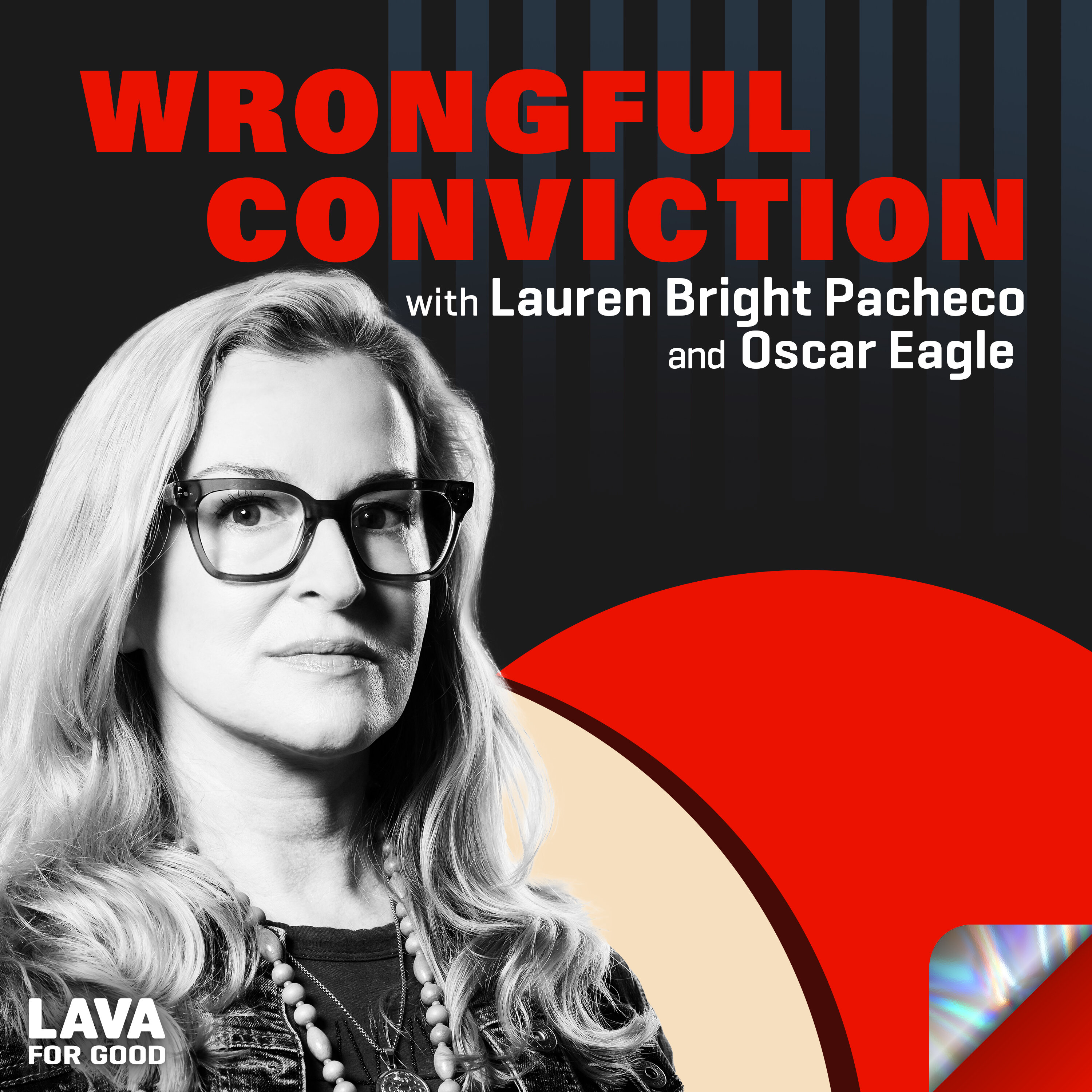
Overview of Wrongful Conviction (#550 — Lauren Bright Pacheco with Oscar Eagle)
This episode of Wrongful Conviction (host Lauren Bright Pacheco) tells the story of Oscar Eagle, who was wrongfully convicted in Los Angeles in the late 1990s for an attempted murder he did not commit, the policing culture that helped produce the conviction, and the legal work that eventually vacated his conviction. The episode features Oscar’s personal account and Megan Baca of California Innocence Advocates, who helped lead the post-conviction review that exposed police coercion, ineffective defense, and the influence of the Rampart scandal on similar cases.
Key takeaways
- Oscar Eagle was shot on March 8, 1998 and was physically unable to run (bullet lodged in calf). Six days later a different teenager, Benjamin Urias, was shot; police ultimately coerced Urias into identifying Oscar in a suggestive lineup.
- Oscar was convicted (March 12, 1999) of attempted first-degree murder and sentenced to life + 25 years despite physical evidence and alibi witnesses that should have excluded him.
- Major contributing factors to the wrongful conviction: a suggestive police lineup, promises/coaching to the victim, ineffective assistance of counsel (defense failed to interview/call alibi witnesses or his doctor, and failed to impeach the eyewitness with recorded interviews), and a prosecutorial/police culture shaped by LAPD CRASH/Rampart abuses.
- The Rampart scandal (Rafael Perez’s revelations of police corruption) provided context and evidence that helped reopen Oscar’s case. The conviction was vacated on July 10, 2025 after coordinated work by California Innocence Advocates and the LA DA’s Conviction Integrity/Habeas team.
- Oscar lost his entire 20s and 30s to incarceration, missed both parents’ deaths, endured long periods in solitary/AdSeg and other harsh prison conditions, and faces the irreversible loss of time and family moments.
- Persistent accountability problems remain: police and prosecutors are rarely held personally accountable; settlements come from taxpayer funds, not those responsible.
Timeline of major events
- March 8, 1998 — Oscar Eagle is shot in the calf in Pico Union, Los Angeles.
- March 14, 1998 — Benjamin (Ben) Urias is shot in Pico Union; he later describes a shooter who ran to and from a car.
- March 15–17, 1998 — Police interview and later conduct a lineup; the second lineup includes heavy prompting and promises of help to Urias.
- March 12, 1999 — Oscar is convicted of attempted first-degree murder and sentenced to life + 25 years.
- 1999–2000s — Oscar serves time in California prisons (Pelican Bay, AdSeg, etc.); family tragedies and long periods in solitary.
- Mid-2000s — Rampart scandal revelations (Rafael Perez) expose systemic police misconduct; Oscar’s earlier false firearm charge later revealed as engineered by officers.
- Initial Conviction Review under Jackie Lacey denied as having “no new evidence.”
- After George Gascón’s election and new review, Megan Baca and CA Innocence Advocates work with LA DA’s Habeas/Conviction Integrity attorneys.
- July 10, 2025 — Oscar’s conviction is vacated.
People & entities involved
- Oscar Eagle — wrongfully convicted defendant; narrator of his experience.
- Lauren Bright Pacheco — host of Wrongful Conviction.
- Megan Baca — attorney with California Innocence Advocates; led reinvestigation efforts.
- Benjamin (Ben/“Junior”) Urias — victim/eyewitness whose identification was coerced.
- CRASH unit & Officer Nino Durden — LAPD gang unit officers implicated in aggressive tactics and earlier misconduct.
- Rafael Perez — Rampart officer whose whistleblowing exposed widespread corruption.
- Patrick Lake — Oscar’s trial-appointed defense attorney; found to have provided ineffective assistance (failed to interview/call alibi witnesses, lied about contact, failed to call doctor or impeach ID).
- Laura Bazan and DA Conviction Integrity/Habeas attorneys — prosecutors who cooperated with innocence advocates to vacate the conviction.
- California Innocence Advocates & After Innocence — nonprofit organizations working to free and support exonerees.
Core failures that led to wrongful conviction
- Suggestive identification procedure: The recorded second lineup showed detectives promising assistance to Urias and directing him toward Oscar (e.g., prompting and pointing).
- Ineffective counsel: Defense counsel did not interview or call documented alibi witnesses, did not subpoena/produce Oscar’s treating doctor to explain his inability to run, and failed to impeach the victim with recorded interviews.
- Gang-centric policing and prejudice: Oscar’s neighborhood/graffiti (“clown” tag) and alleged Burlington Locos association were used to paint him as violent; gang testimony and big photos of tattoos prejudiced the jury.
- Institutional problems: The CRASH unit’s tactics, Rampart-era corruption, and lack of accountability for officers and poor defense representation created the conditions for wrongful conviction.
Evidence that supported exoneration
- Audio recording of the second lineup showing police coercion and offer of benefits to the victim in exchange for identification.
- Medical evidence showing the bullet lodged in Oscar’s calf and his inability to run — directly contradicting the victim’s description of a running shooter.
- Alibi testimony (hospital visits) from Becky Chavez and others that were never properly interviewed/called at trial.
- Rampart scandal evidence (Perez’s disclosures) showing patterns of perjury, planted evidence, and fabricated charges by officers including those who had targeted Oscar previously.
Outcome and aftermath
- Conviction vacated July 10, 2025. Oscar was released after decades behind bars.
- Oscar endured long-term harms: lost prime adult years, missed parents’ deaths, long periods of solitary confinement and institutional trauma.
- Oscar and Megan Baca now live near one another (Megan recounts meeting Oscar after release).
- Systemic accountability remains limited: many implicated officers denied wrongdoing or had minimal public consequences; settlements typically do not produce individual culpability.
Notable quotes
- Oscar: “When you make a person into a monster and an animal it’s real easy to convict them.”
- Megan Baca: Points to the new consensus on eyewitness identification science and stresses how suggestive procedures, coupled with poor defense and gang stigma, can produce wrongful convictions.
- Oscar on accountability: “I would love to see these officers have integrity and do the right things, but I don’t think it’s going to happen.”
Policy implications & recommended reforms (from issues raised)
- Eyewitness ID reform: ban or strictly regulate suggestive lineups; require recorded identifications and independent procedures.
- Stronger oversight and accountability for police misconduct (reassess qualified immunity; independent investigations and disciplinary processes).
- Improve indigent defense quality: enforce standards to ensure alibi investigation, subpoena of critical witnesses, and competent cross-examination.
- Support and fund Conviction Integrity Units that are independent and have resources to revisit problematic cases.
- Post-exoneration support & compensation: expand state support; back nonprofits like After Innocence that provide healthcare, mental health, legal, and financial services to exonerees.
How to help / resources mentioned
- California Innocence Advocates — legal organization that worked on Oscar’s case (follow and donate to support similar work).
- After Innocence — nonprofit that helps exonerees rebuild (after-innocence.org).
- Follow Wrongful Conviction and Lava for Good for further episodes and updates.
Final notes
This episode highlights how a combination of police coercion, ineffective defense, gang-based stigma, and institutional failures can produce long-lasting wrongful convictions. Oscar’s case demonstrates both the traumatic human cost and the practical reforms needed: better eyewitness practices, more accountability, and stronger post-conviction review and support systems.