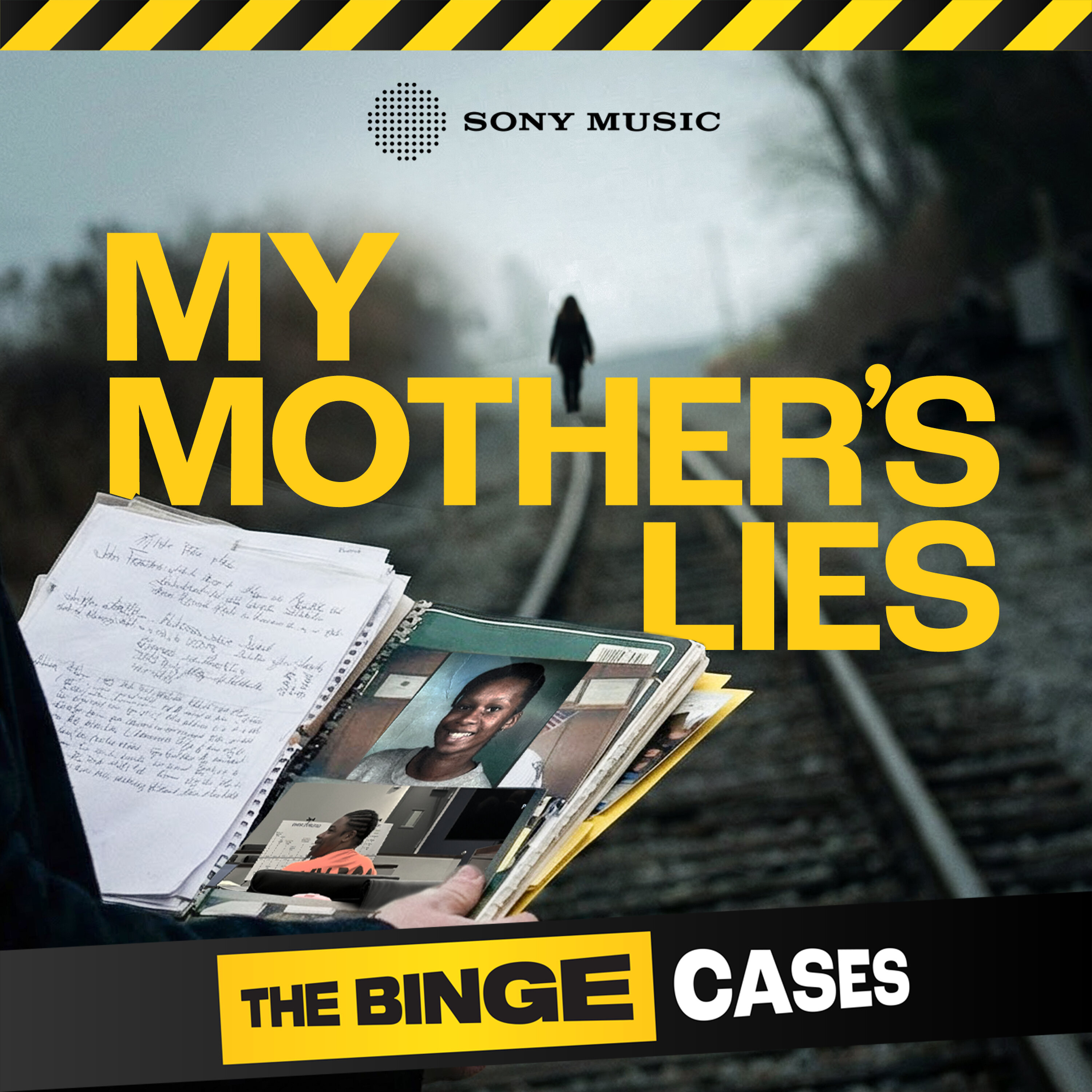
Overview of My Mother's Lies
This introduction promotes My Mother's Lies, a new investigative podcast series (from The Binge / Lava for Good Podcasts) hosted by journalist and legal analyst Beth Karras. The series revisits the 2000 murder of 18‑year‑old Jessica Curran in Mayfield, Kentucky, and reexamines the investigation and prosecution—especially the outsized role of local woman Susan Galbraith—through the eyes of Susan’s son, Ray. Episode 1 is titled “The Hero Housewife Who Solved a Murder.”
Key points & main takeaways
- The series reframes the Jessica Curran murder by focusing on how a repeated narrative—rather than solid physical evidence—shaped the case.
- Susan Galbraith, a local housewife, inserted herself into the crime scene and investigation; her actions and testimony became central to the story that carried forward.
- The podcast questions whether Susan’s influence helped convict the wrong person (the case against Quincy Cross is revisited) and whether her motives and access to case materials were appropriate.
- The show emphasizes the tension between evidence and narrative in criminal trials, and the danger when community storytelling overrides forensic proof.
Timeline / case summary
- Late July 2000: Jessica Curran (18), a single mother and daughter of a local fire captain, was last seen on July 29. Her seven‑month‑old son is named Zion.
- August 1, 2000: A half‑clothed, partially burned body is discovered outside the local middle school in Mayfield, KY—later identified as Jessica. Police note multiple blows and that the body was set on fire.
- Investigation: Early scenes show a chaotic crime scene; police tape was present but allegedly breached by onlookers, including Susan Galbraith. Over ensuing years the community narrative and Galbraith’s participation play a major role in how the case unfolded legally.
Central figures
- Jessica Curran: Victim, 18, single mother.
- Beth Karras: Host and legal/journalistic narrator guiding the reexamination.
- Susan Galbraith: Local woman who became deeply involved in the case—called a “hero” by some, a manipulative figure by others.
- Ray (Susan’s son): Offers a critical perspective of his mother’s role and the “lies” he believes shaped the case.
- Quincy Cross: The man whose prosecution is central to the series’ reexamination (the show asks if he was wrongly convicted).
Themes & questions the series raises
- Evidence vs. narrative: When physical corroboration is weak, how much weight should community testimony carry?
- Citizen involvement in investigations: Is it appropriate for private citizens to have access to case files or to influence policing and prosecution?
- Motive and credibility: What motivated Susan Galbraith’s behavior, and how did authorities come to trust her?
- Race and power dynamics: The victim is described as a young Black woman; the prominent citizen narrator is a white local—how did those dynamics affect the investigation and public perception?
- Potential wrongful conviction: Did Susan’s actions contribute to convicting an innocent person?
Notable quotes / soundbites
- “Every murder trial tells a story. … When there isn't [strong evidence], the story, that testimony, becomes the case.”
- “It was just the lies. There are so many lies.”
- Episode title: “The Hero Housewife Who Solved a Murder.”
Where to listen / action items
- Search for “My Mother’s Lies” wherever you get podcasts or find it via The Binge (subscribe to get episodes ad‑free and early on Apple Podcasts or at GetTheBinge.com).
- Episode 1 is the entry point; the intro encourages subscribing to hear the full reexamination.
Why this is worth listening
- The series promises a deep dive into how a small‑town investigation can be shaped by one person’s narrative, with potential implications for justice and wrongful conviction. It’s of interest to listeners who follow true crime, wrongful conviction cases, criminal justice reform, and investigative journalism.