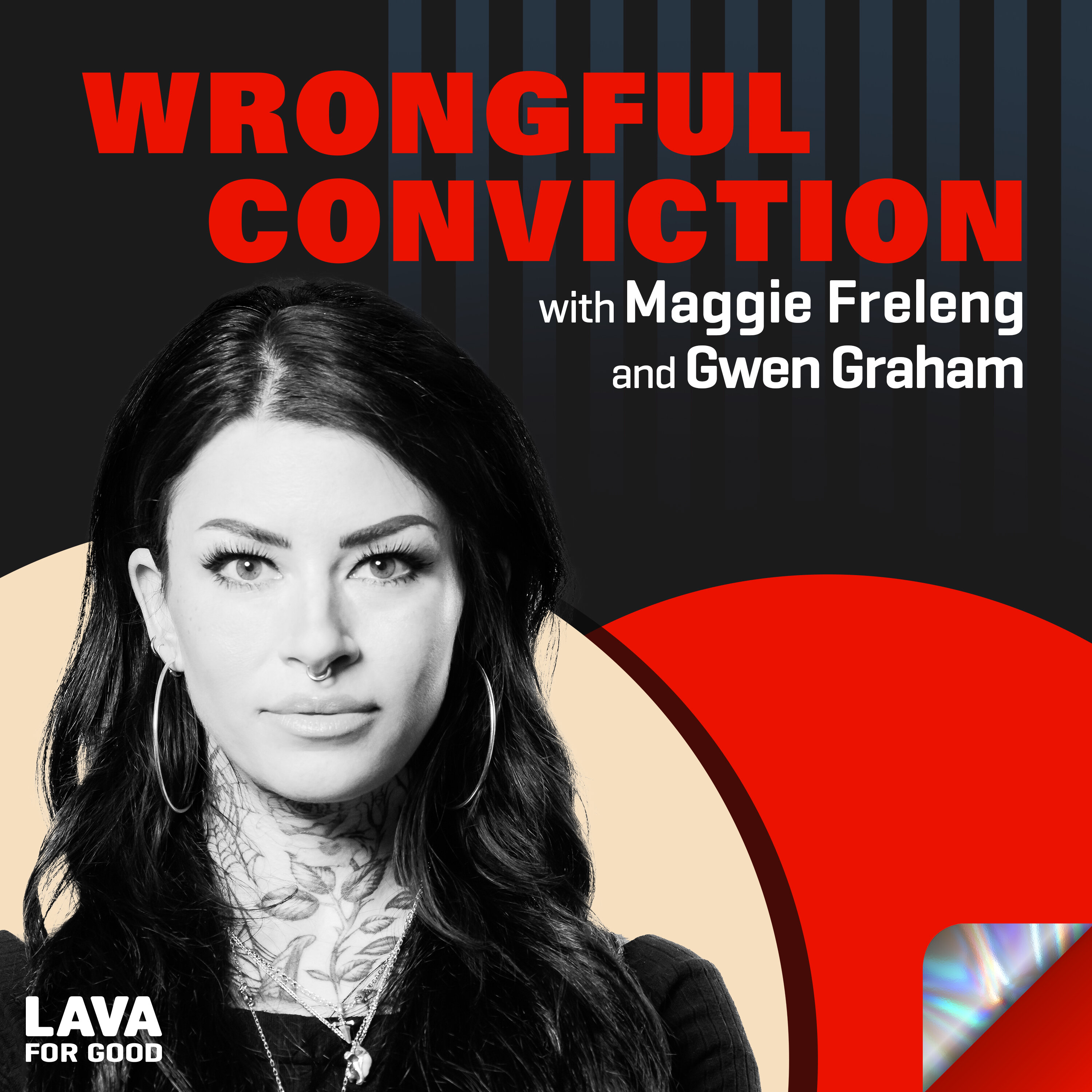
Overview of #597 Maggie Freleng with Gwen Graham
This episode of Wrongful Conviction revisits the case of Gwen Graham, who has spent more than 35 years in Michigan prison for the alleged murders of five elderly nursing home patients in the 1980s. The case, originally built around testimony from Graham’s ex-girlfriend Kathy Wood, is presented as a troubling example of how weak forensic evidence, homophobia, and sensational media coverage may have led to a wrongful conviction. The episode also places Graham’s long incarceration in the broader context of aging inside Michigan’s Women’s Huron Valley Correctional Facility, which has faced serious scrutiny for toxic mold and substandard medical care.
The Case Against Gwen Graham
Background
- Gwen Graham worked at Alpine Manor Nursing Home in Michigan in the mid-1980s.
- Graham described being a compassionate caretaker and said they wanted to become a veterinarian.
- While working there, Graham began a relationship with coworker Kathy Wood.
The accusation
- After Graham and Wood broke up, Wood told her ex-husband that she and Graham had a “lover’s pact” to murder five elderly residents.
- The alleged victims were elderly and medically frail; their deaths had originally been ruled natural causes.
- Wood claimed Graham smothered the women while Wood acted as lookout.
Evidence used by the prosecution
- A medical examiner reexamined two bodies and changed their causes of death to asphyxiation.
- The prosecution relied heavily on Wood’s testimony.
- Witnesses also testified about crude jokes at the nursing home that prosecutors framed as evidence of murder.
Why the Conviction Is Controversial
Thin physical evidence
- There was no direct physical evidence proving smothering.
- The medical examiner later acknowledged that the reclassification of the deaths depended heavily on information from police and Wood’s statement, not on clear medical findings.
- The defense argued there were multiple natural explanations for the deaths, given the residents’ age and health.
Homophobia and trial atmosphere
- The episode emphasizes that Graham’s sexuality was central to how the case was presented.
- Prosecutors leaned into a salacious “lesbian killer” narrative.
- The defense argued that the trial was saturated with prejudice and that Graham’s personal relationships were unfairly used to imply guilt and immorality.
Limitations on the defense
- Graham’s attorneys tried to challenge Wood’s credibility and obtain her mental health records, but the judge denied access.
- The defense also argued that the deaths were not proven to be homicides and that the state was building its case around prejudice rather than evidence.
Trial Outcome and Aftermath
- Kathy Wood took a plea deal to second-degree murder in exchange for testimony and later received parole in 2020.
- Gwen Graham was convicted in 1989 on all counts and sentenced to six concurrent life-without-parole terms.
- Graham has repeatedly maintained innocence, describing the conviction as something that “didn’t happen.”
- The episode includes painful reflections from Graham’s sister about seeing them in prison decades later and from Graham about suicide attempts and the emotional toll of incarceration.
Current Status and Ongoing Efforts
Innocence review
- In 2022, the Michigan Innocence Clinic began reviewing Graham’s case.
- The clinic is focusing on two main issues:
- Whether the medical examiner’s opinion was improperly influenced by outside information.
- Whether homophobia infected the investigation, prosecution, media coverage, and jury perception.
Clemency effort
- The Innocence Clinic is preparing a clemency petition on Graham’s behalf.
- The goal is to secure Graham’s release after decades of imprisonment.
Broader Themes
- The power of a single witness: The case hinged largely on Kathy Wood’s testimony.
- Forensic uncertainty: The episode questions whether the death reclassifications were medically justified.
- Prejudice in the justice system: The prosecution’s framing appears deeply tied to anti-gay bias.
- Long-term incarceration: The episode also highlights the realities of growing old in prison and the physical dangers inside women’s correctional facilities.
Graham’s Message
Gwen Graham ends by saying they are “not a killer” and that they want to spend whatever time they may have left with their sister and outside prison. The episode presents Graham as someone still fighting for recognition of innocence after more than three decades behind bars.