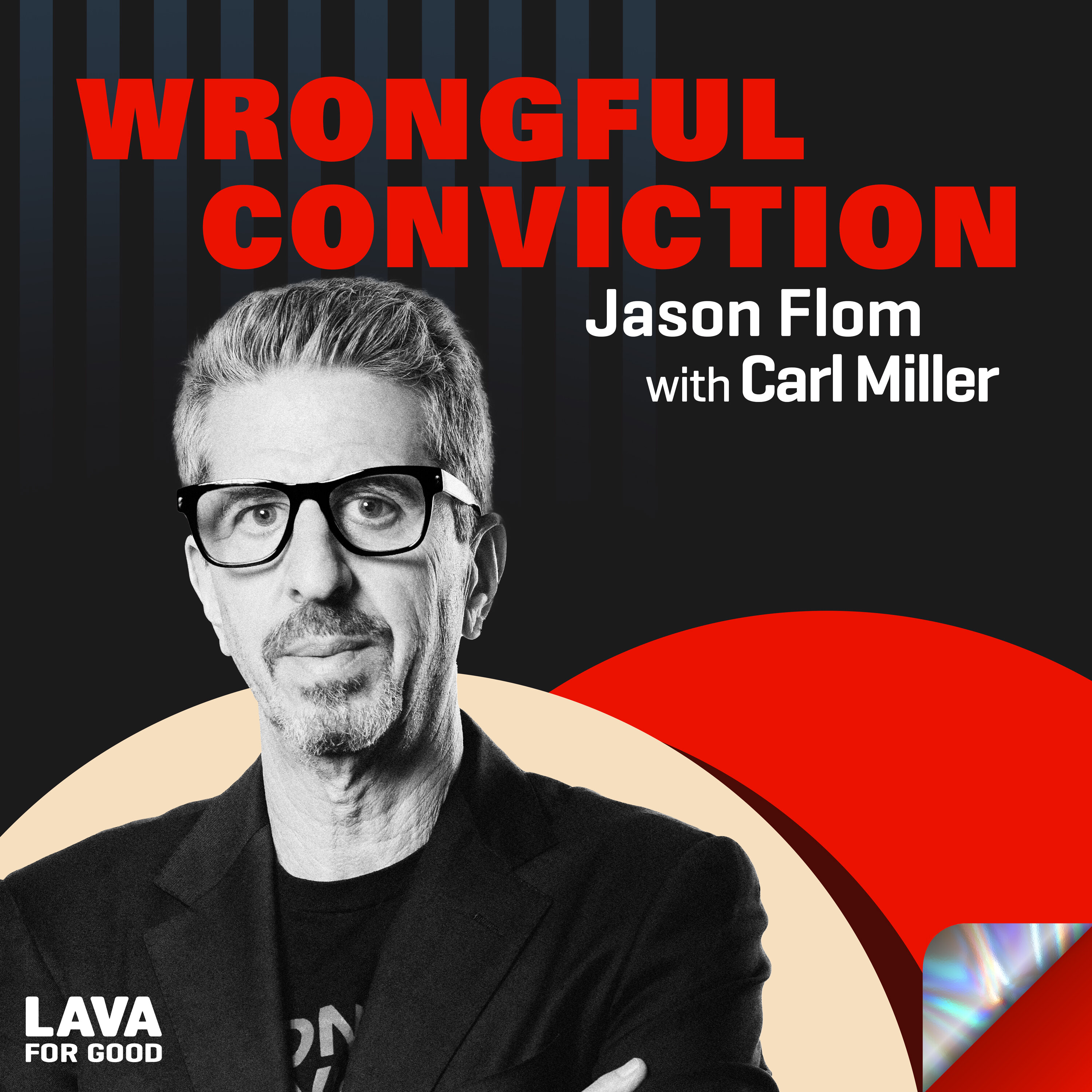
Overview of #583 Jason Flom with Carl Miller
This episode of Wrongful Conviction revisits the 1979 murder of Rabbi David Akunov in Crown Heights, Brooklyn, and the wrongful conviction of Carl Miller, who spent 31 years in prison before ultimately being exonerated. The conversation frames Miller’s case within the broader racial, religious, and policing tensions in Crown Heights, while detailing how a single shifting witness account, weak investigation, and alleged prosecutorial misconduct led to a devastating miscarriage of justice.
Case Background
The crime and neighborhood context
- On October 25, 1979, Rabbi David Akunov was shot in Crown Heights while carrying his prayer case.
- The episode places the case against a long backdrop of tension between Black residents and the Hasidic Jewish community in Crown Heights, including:
- the 1978 beating of Victor Rhodes,
- the 1991 Crown Heights riot,
- and broader concerns about unequal policing and political influence in the neighborhood.
- The hosts argue that these social tensions shaped how the case was investigated and prosecuted.
Who Carl Miller was
- Miller grew up in Crown Heights, attended local schools, and worked as an amateur boxer.
- He was also a young father and had a reputation in the neighborhood that may have made him an easy target.
- He had an open warrant for assault after being stabbed and hospitalized, which made him more vulnerable to police attention.
Why the Conviction Fell Apart
The case relied heavily on Daryl Brown
- The prosecution’s case centered on Daryl Brown, whose statements changed multiple times:
- At first, he allegedly said he saw nothing.
- Later, he implicated Miller after being questioned while hospitalized with a gunshot wound.
- His accounts continued to evolve before trial and at trial.
- Brown was essentially the only witness tying Miller to the crime.
Eyewitnesses did not identify Miller
- Two key eyewitnesses to the actual shooting, Louis Fazio and Shina Nia Sperlin, did not identify Miller in lineups.
- The podcast emphasizes that this undermined the state’s theory but was minimized at trial.
Alibi evidence was ignored or attacked
- Miller said he was in Queens with the mother of his child the night before and morning of the murder.
- His alibi witness, Joanne Davis, maintained that account despite police pressure.
- The defense and police disputed her credibility, but the episode argues the state relied on false or misleading statements to attack her testimony.
Major Problems in the Investigation and Trial
Investigative tunnel vision
- The episode highlights that police seemed focused on Miller early because of his open warrant and neighborhood reputation.
- Alternative suspects and leads were reportedly not pursued adequately.
Possible Brady violations
- The hosts and attorneys describe undisclosed or late-disclosed evidence, including:
- alternate suspects,
- witness statements that were not turned over,
- and information suggesting someone else may have matched the timeline or had motive.
- They argue this deprived the defense of a fair trial.
Misleading use of polygraphs and lineups
- Miller offered to take a polygraph and provide fingerprints.
- Police reportedly claimed he failed a polygraph and was identified in a lineup, though the lineup identifications did not support the state’s case.
- The episode underscores that polygraphs are unreliable and often used coercively.
Trial failures by the defense
- Miller’s trial lawyer is sharply criticized for undermining his own client’s alibi and praising the detective.
- The summation is portrayed as a serious failure of advocacy in a case that depended on witness credibility.
Post-Conviction Fight and Exoneration
Decades in prison
- Miller served 31 years before being paroled.
- Throughout incarceration, he maintained his innocence, pursued education, and continued trying to prove the case was wrong.
Brooklyn Conviction Review Unit involvement
- The Brooklyn Conviction Review Unit (CRU) reviewed the case and uncovered additional issues.
- The DA’s office initially fought the case in court rather than conceding error.
- In April 2026, a judge overturned Miller’s conviction on actual innocence grounds.
New evidence reopened the investigation
- The episode explains that later developments involving Robert Sims and Linda Sims added weight to Miller’s claims.
- Linda Sims allegedly made statements suggesting involvement by her and Robert, and Robert’s own history raised further suspicion.
- Attorneys say the CRU is now pursuing additional evidence and may seek a hearing.
Key Takeaways
- Carl Miller’s conviction rested on a fragile and shifting witness narrative, not strong physical evidence.
- Independent eyewitnesses did not support the prosecution’s theory.
- The case is presented as an example of:
- police tunnel vision,
- unreliable witness pressure,
- prosecutorial overreach,
- and the long-term human cost of wrongful conviction.
- The episode also argues that Crown Heights’ racial and political tensions created a climate where justice was especially vulnerable to distortion.
Closing Message from the Episode
- Miller and his attorneys call on anyone with information to come forward.
- They stress that the goal is not revenge, but truth: correcting the record, identifying the real perpetrator, and acknowledging the harm done to Miller and the victim’s family.
- The episode ends with a strong plea for public accountability and continued investigation.