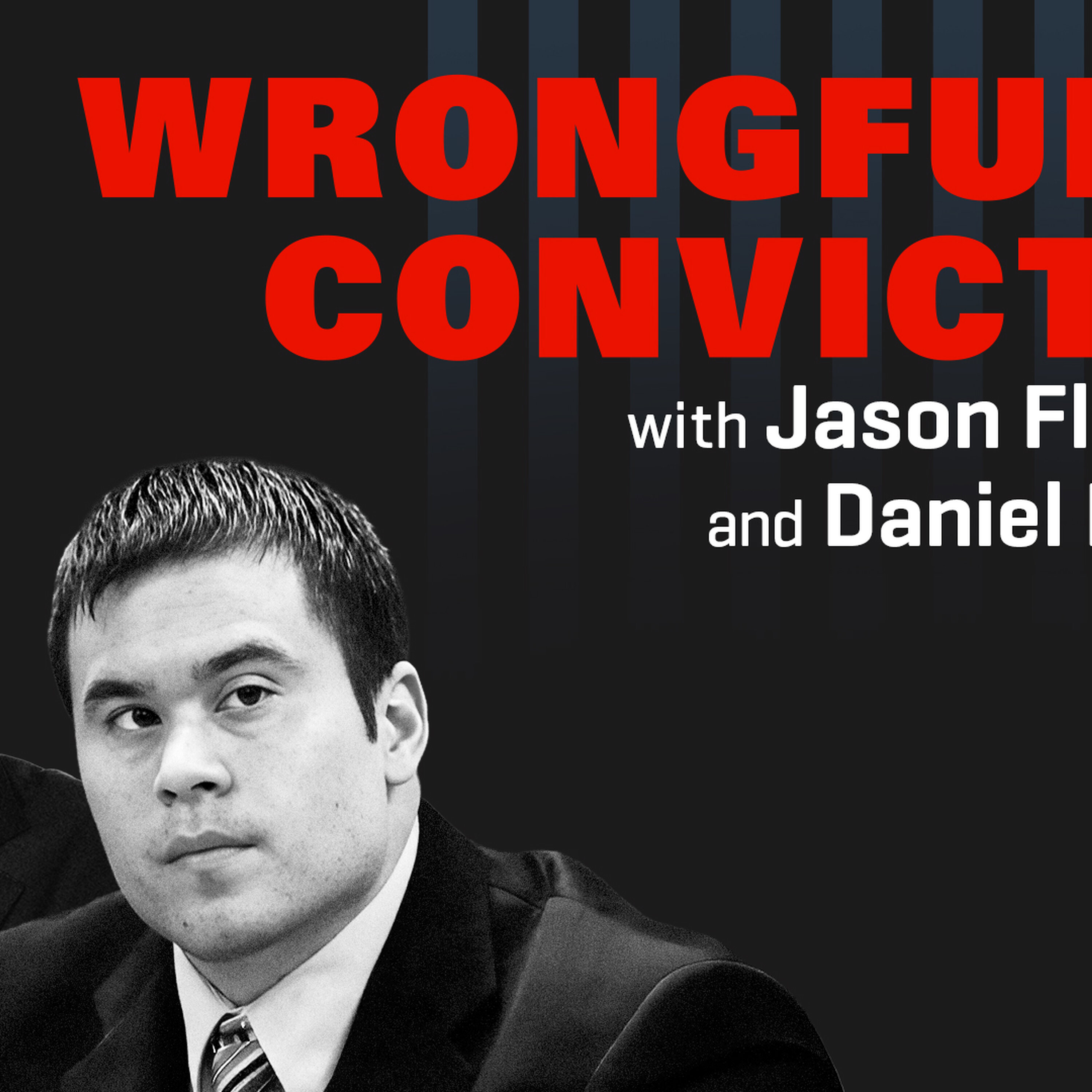
Overview of Wrongful Conviction #579: Jason Flom with Daniel Holtzclaw
This episode argues that former Oklahoma City police officer Daniel Holtzclaw was wrongfully convicted and sentenced to 263 years in prison after a highly publicized case built on disputed allegations, shaky forensic interpretation, and intense media pressure. Host Jason Flom speaks with Holtzclaw by phone, his sister Jennifer Holtzclaw, and biologist Erica Fuchs to examine why the prosecution’s narrative may not match the evidence.
What the Episode Is About
The episode revisits Holtzclaw’s 2014 case, in which investigators pursued sexual-assault allegations from multiple women after an initial complaint by Jannie Liggins. The show contends that:
- several accusers gave descriptions that did not match Holtzclaw
- some allegations were inconsistent, contradicted, or later changed
- the investigation targeted a specific group of African-American women with prior police contact
- forensic evidence was misrepresented at trial
- Holtzclaw was convicted in a media-saturated environment that likely influenced the jury
Key Points and Arguments
The initial stop and complaint
- Holtzclaw stopped Jannie Liggins during a routine traffic stop at a busy Oklahoma City intersection.
- She later alleged sexual assault, but:
- a rape kit found no DNA from Holtzclaw
- the video evidence did not clearly support the assault claim
- her description of the officer reportedly did not match Holtzclaw’s appearance
Investigation concerns
- Detectives allegedly searched Holtzclaw’s records and focused on Black women he had previously stopped, especially those with criminal histories.
- The episode argues this created a biased, “fishing expedition” investigation rather than a neutral fact-finding process.
- Some women initially denied abuse or described a different officer, then later changed their stories.
Problems with the allegations
- The episode reviews multiple accusations that were:
- inconsistent over time
- physically implausible
- unsupported by DNA or timeline evidence
- contradicted by GPS/AVL data or surveillance
- Several allegations reportedly ended in acquittals, while others were later undermined in depositions.
Forensic evidence and DNA controversy
- A major focus is the DNA found on the fly of Holtzclaw’s pants.
- Erica Fuchs explains that:
- the sample was a mixture
- there was no bodily fluid evidence
- DNA can be transferred innocently through normal contact
- The episode says prosecutors overstated the forensic meaning of the evidence, including implying vaginal-fluid transfer when that was not supported.
Trial atmosphere and media influence
- Flom and the guests emphasize how the case was heavily shaped by national media coverage.
- They argue the jury was exposed to a strong presumption of guilt before deliberations.
- Holtzclaw says his trial felt impossible to win because the public narrative had already hardened.
Post-conviction developments
- After the criminal trial, all 13 accusers who testified reportedly filed civil suits.
- Depositions allegedly weakened the case against Holtzclaw, and the civil claims against him were later dropped.
- The episode presents this as further evidence that the convictions were unreliable.
Main Takeaways
- The episode’s central claim is that Holtzclaw was convicted on a flawed and biased case, not on solid forensic proof.
- It highlights:
- investigative tunnel vision
- questionable witness reliability
- DNA misinterpretation
- media-driven prejudice
- It also frames the case as a cautionary example of how juries can be influenced when police, prosecutors, and the press reinforce a single narrative.
Notable Themes
Legal system critique
- Prosecutorial misconduct
- Weak defense performance
- Forensic evidence misunderstood or overstated
- The danger of assuming guilt from public outrage
Broader social context
- Police abuse of power
- Race and policing
- Sexual-assault allegations and credibility
- The challenge of ensuring fair trials in high-profile cases
Call to Action / Resources Mentioned
- Support or learn more via:
- freedanielholtzclaw.com
- Jennifer Holtzclaw’s public Facebook updates
- the petition linked in the episode description
- The show asks listeners to share information if they know anything relevant to the case
Bottom Line
This episode presents Daniel Holtzclaw as the victim of a wrongful conviction driven by biased investigation, inconsistent testimony, and misleading forensic interpretation. Whether or not every allegation was false, the episode argues that the evidence was not strong enough to justify the conviction and that the case became a broader symbol of how justice can go wrong.