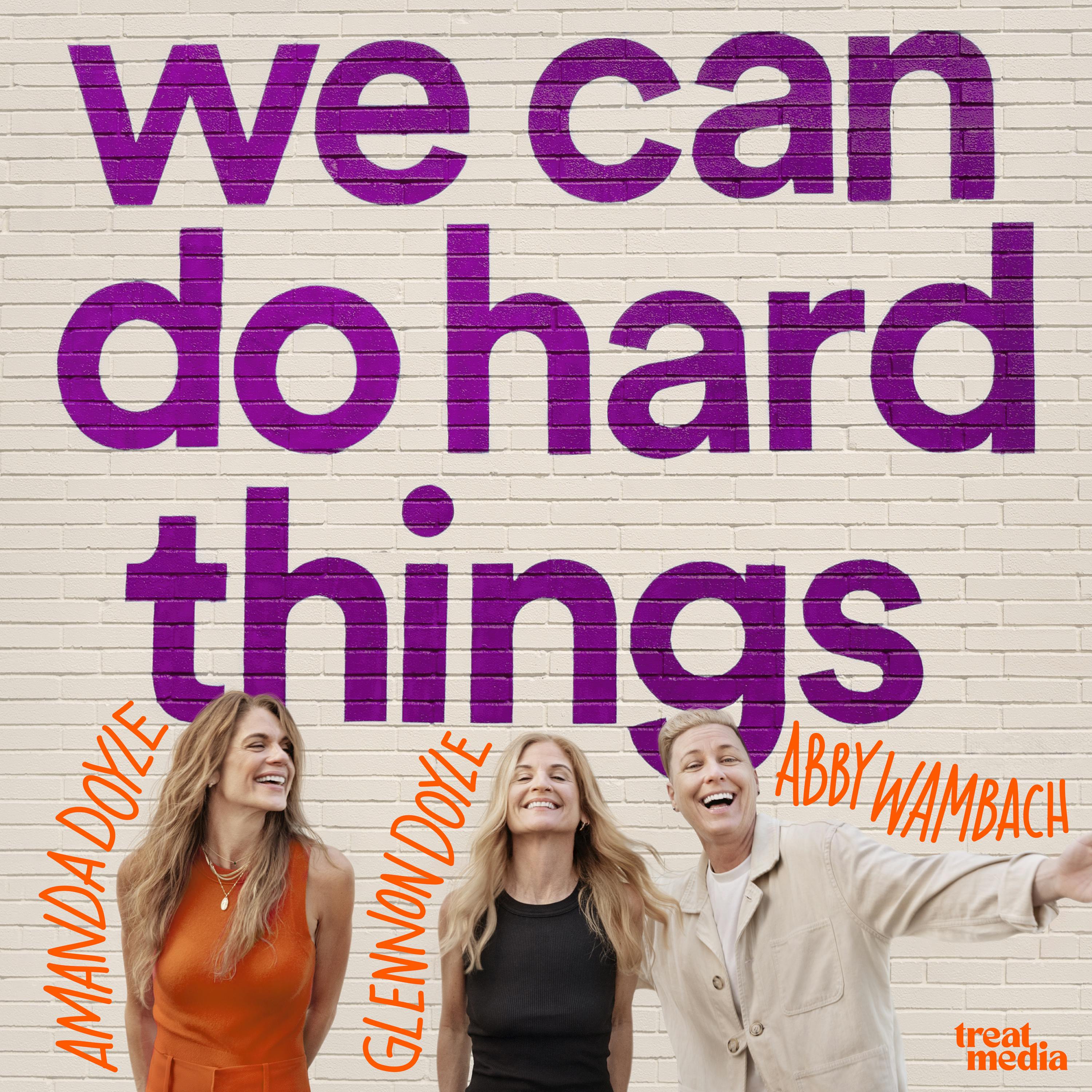
Overview of Finally Some Wisdom to Move Forward! — Dr. Tressie McMillan Cottom
This episode of We Can Do Hard Things features sociologist, New York Times columnist, and MacArthur “Genius” Fellow Dr. Tressie McMillan Cottom. The conversation centers on how stories shape our politics and social life: which narratives brought us to our present crises (political authoritarianism, racialized culture wars, and erosion of democratic accountability) and what kinds of stories and everyday practices could help us move forward. Tressie blends structural diagnosis (money in politics, institutional capture, historical amnesia) with practical moral counsel: show up, organize locally, and build practices of shared responsibility.
Guest snapshot
- Name: Dr. Tressie McMillan Cottom
- Roles: Professor (UNC Chapel Hill), NYT columnist, MacArthur Fellow
- Notable work: Book "Thick"; documentary work on Southern Black Panther chapters
- Framing she offers: A modern griot — storyteller, truth-teller, and social adviser.
Main themes and topics discussed
- The power of story
- MAGA succeeded by selling a simple, sticky threat narrative: “something is taking your American Dream” (immigrants, cultural enemies, elites, librarians became symbolic threats).
- We lack a competing story that’s honest about trade-offs and necessary changes (e.g., on climate or democracy reform), one that doesn’t just promise comfort or moral superiority.
- Why authoritarian narratives stick
- They offer simple answers and someone who “will fix it” without asking people to change their lives.
- Political incentives favor messaging that preserves donors and power rather than telling difficult truths.
- Money, institutions, and democratic erosion
- Citizens United and the rise of donor power have decoupled many politicians from voter accountability; politicians are often not afraid of voters anymore.
- If representatives aren’t afraid of voters, a competitive democracy is at risk.
- The American South as diagnostic & solution site
- The South contains hard, intimate contradictions of race and class; solving problems there is a test for national solutions.
- The South is weaponized iconographically (Confederate symbols deployed far outside the region) but also hosts durable traditions of community organizing.
- Memory, culture, and power
- Controlling history (museums, exhibits, national memory) is a way to control the future; assaults on memory are central to authoritarian strategies.
- Art, desire, creativity, and intimacy are resistant to authoritarian control — and thus targeted.
- Lessons from the Black Panthers and community care
- Local mutual aid, care work, and long-term organizing sustain movements even when institutions repress them.
- "Freedom is responsibility": responsibility to others expands personal freedom while building communal power.
Key takeaways
- Stories matter more than facts alone: a simple, emotionally resonant narrative that channels fear and offers easy fixes can beat complicated truth.
- The left lacks a sufficiently compelling, honest narrative that acknowledges necessary sacrifices and offers a real pathway forward.
- Structural problems (money in politics, institutional capture, weakened accountability) must be addressed — sometimes via constitutional or systemic reforms — or democratic norms will keep eroding.
- Community-level, sustained organizing is the engine for change: show up, build infrastructure, and be present when "lightning" (a catalytic moment) strikes.
- Cultural memory must be defended: erasing or sanitizing history is a strategy of authoritarian power.
- Creativity, art, and human intimacy are political resources; protecting them resists dehumanizing power.
Notable quotes & lines
“The story that broke through… was that there is a threat — an amorphous threat — and someone can tell you who to blame and that they can fix it.”
“If politicians are not afraid of you, you just do not have a competitive democracy.”
“Freedom is responsibility.” (Tressie quoting her partner; a central ethic she highlights.)
“Every day: try to do something, try to do something with other people, and then the next day do it again.”
“We are only human when we are human together.”
Practical actions & recommendations (what you can do)
- Organize locally and consistently: join or build mutual aid, community care, or local issue groups and show up regularly.
- Demand accountability: call and email representatives; push for laws/changes that reduce money in politics (campaign finance reform, disclosure, limits on big donor power).
- Defend cultural memory: support museums, archives, and institutions that preserve accurate histories; push back on moves that erase or sanitize the past.
- Choose durable civic practices: vote, but also engage in non-electoral civic life (community boards, unions, civic associations).
- Protect art and public culture: support artists, local cultural institutions, and free expression — these are foundational to human flourishing and resistance.
- Start small, stay steady: daily, collective action matters more than perfectly designed blueprints.
Why this matters — quick synthesis
Tressie frames our crisis as partly narrative: people respond to stories that match emotions and give straightforward solutions. Authoritarian and reactionary movements succeed because they offer clear emotional answers and because structural incentives (donor power, institutional capture) make mainstream politics risk-averse and dishonest about trade-offs. The antidote is both structural (reclaiming political accountability, reforming institutions) and cultural/communal — rebuild daily practices of care, responsibility, and collective work so that when transformative opportunities come, a prepared public can seize them.
Final practical line (her ask)
Keep showing up. Build and sustain community institutions and relationships. Do something with other people every day, and keep doing it — because movements are made of persistent, ordinary commitment, and that persistence is what allows change to ignite when the moment arrives.