Overview of Amanda’s Breakthrough: Finally Letting Go
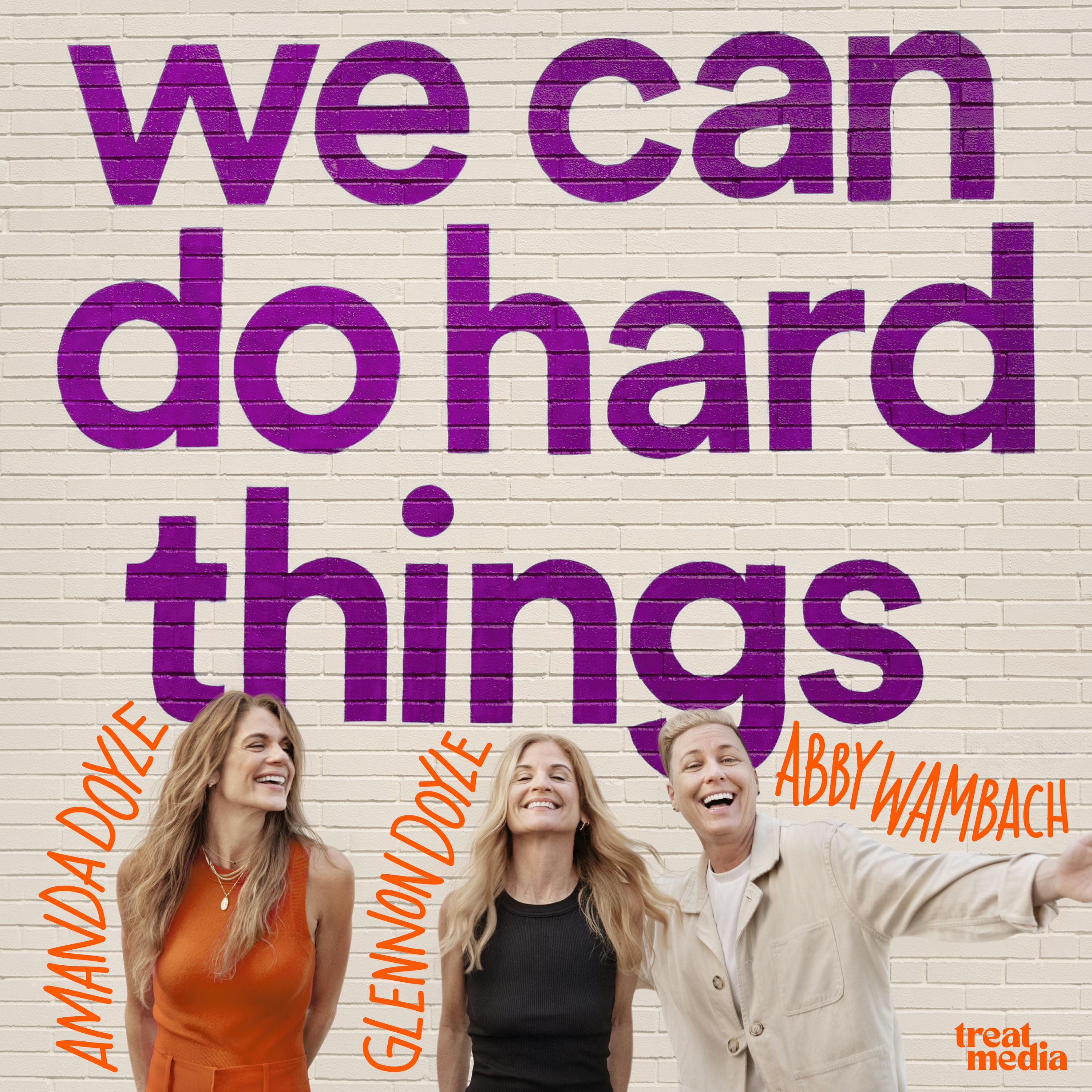
This episode of We Can Do Hard Things (hosted by Glennon Doyle and Treat Media) is a listener Q&A “couch” episode. The conversation weaves light-hearted banter (a comic debate about camping), a defense of memoir-writing, and a vulnerable, extended conversation with Amanda about control, illness, and a major mental shift that’s helped her stop trying to “do all the things.” The episode mixes humor, cultural critique, practical philosophy, and concrete takeaways for people overwhelmed by responsibilities.
Episode format & structure
- Warm-up sponsor reads and brief host banter.
- Listener questions answered live: camping vs. vacation; is memoir self-indulgent; Amanda’s question about control and change.
- Deep dive: Amanda’s personal story and breakthrough.
- Multiple sponsor segments interspersed (Policy Genius, Mill, Viori, ZipRecruiter, NetSuite, Gain, Coop Sleep Goods, Zelle).
Key topics discussed
- What makes a “vacation” vs. “character-building” family time (camping debate).
- Is it arrogant or self-indulgent to write memoirs or to write about yourself?
- Amanda’s experience after a cancer diagnosis: the expectation of transformation, the disappointment that nothing changed, and the reframing that enabled letting go of excessive control.
- Cultural dynamics that dismiss women’s interior lives (memoir/self-help/mommy-blogging stigma).
- Practical reframes for decision-making about commitments and burdens.
Amanda’s breakthrough — summary
- Background: Amanda went through a year-long cancer experience and expected it to catalyze a values realignment—i.e., to stop the chronic over-control and overwork.
- Reality check: On the anniversary of her diagnosis she realized she had reverted to the same habits and obligations—same schedule, expectations, and overwhelm.
- The painful realization: She’d been treating “doing all the things” as the highest goal; slowing or stepping back felt like failure.
- The reframing that helped: A Buddhist teacher (Houn Jiyu-Kennett) taught a paradox: the goal is not to lighten the burden but to make the burden so heavy that the student will put it down. Amanda realized the skill is to be able to decide to set things down—not to be praised for endlessly holding them up.
- Practical mental shifts Amanda is practicing:
- Ask before taking things on: “Do I want to hold that plate? Does it even belong to me?”
- Condense the window between what your future self wants and what your present self accepts; align present choices with desired future life.
- Beware “horizon living” (working now to earn peace later); instead treat peace as a present practice and a means—not only a future reward.
- Recognize privileges and seasons in life (some past sacrifices made later options possible), while still reassessing which rules still serve you now.
- Outcome: A softer posture toward responsibilities, more willingness to decline, and new attention to whether obligations genuinely belong to her.
On memoirs, interiority, and who gets labeled “self-indulgent”
- Glennon’s defense:
- She uses her own life as a specimen to explore universal human questions; that’s less arrogant than dissecting or diagnosing others.
- Memoir can be an act of solidarity—if your specific story reveals something universal.
- Criticism that calls women’s interior writing “self-indulgent” or “navel-gazing” is gendered; men writing about life are less likely to be dismissed.
- Cultural critique:
- Interior/domestic topics (often associated with women) are devalued structurally and linguistically.
- Dismissive labels (“mommy blogger,” “self-help”) are frequently weaponized to minimize women’s thought and art.
- Takeaway: If you feel called to tell your story, you have the right to do so—and doing your own work publicly can defang others’ attempts to weaponize it.
Light moments & anecdotes
- Camping debate: Glennon humorously argues she won’t camp because Jesus intended “far greater works” (AC, hotels, couches, forks) — a playful biblical riff used to justify modern comforts.
- Pop-culture jabs: Mention of reviews calling Glennon’s memoirs “still talking” contrasted with men’s prolific memoir output (e.g., David Sedaris).
Notable quotes (verbatim or closely paraphrased)
- “Your story is your fucking right to tell.” — Glennon, on memoir writing and ownership.
- “Jesus made the stars; you, my disciples, will make air conditioning.” — Glennon’s comedic riff about why she won’t camp.
- Paraphrase of Houn Jiyu-Kennett: The goal is not to lighten someone’s burden but to make it so heavy that they will put it down.
- “The present you’re constructing should look a lot like the future you’re dreaming.” — Used as a guiding principle for aligning present choices with desired future life.
- On criticism of memoirists: It takes more arrogance to decide someone else’s life doesn’t deserve to be a main story than to be the one telling your own.
Actionable takeaways & exercises
- Inventory your plates:
- Make a list of obligations you’re currently “holding.”
- For each, ask: “Does this belong to me? Do I want this plate? What has it given me?”
- Apply the “put it down” test:
- Imagine the plate is too heavy—what would you put down? Practice saying “no” to one small item this week.
- Condense the present/future window:
- Write 1–3 sentences describing the life you want in 1–3 years. Then audit today’s schedule—what aligns, what doesn’t?
- Resist horizon living:
- Whenever you catch yourself accepting current anxiety for “future peace,” pause and ask if peace can be practiced now in a smaller way.
- If you want to write your story:
- Use your life as a lens to explore universal questions; don’t let fear of seeming self-indulgent stop you.
Resources & further reading mentioned
- Houn Jiyu-Kennett — Buddhist teacher referenced for the “make the burden so heavy that they put it down” idea.
- Audre Lorde (quoted/paraphrased) — on self-definition and defusing weaponization.
- Glennon Doyle — memoirs referenced (Untamed mentioned).
- Cultural examples: Virginia Woolf (interior life as historically dismissed).
Bottom line
This episode blends humor and cultural critique with a vulnerable, practical conversation about control, identity, and change. Amanda’s central insight—reframing the goal from “holding everything up” to being able to put burdens down—offers a concrete, liberating practice for anyone stretched thin. The episode also defends the value of telling interior stories and encourages people (especially women) to claim the right to narrate their own lives.