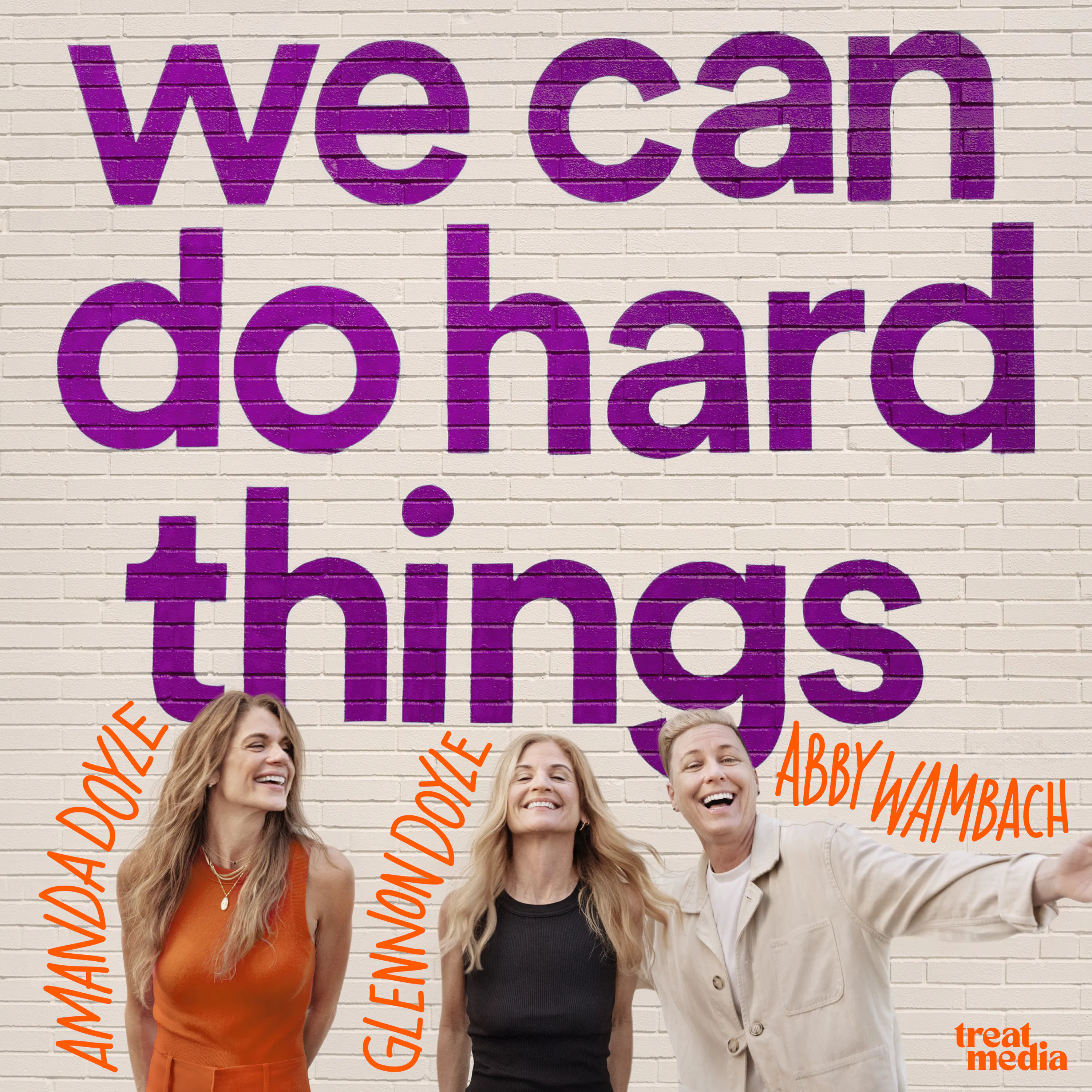
Overview of We Can Do Hard Things — Episode: "The Cost of Truth Telling (And Why We Paid It)"
This episode — hosted by Glennon Doyle with co-hosts Abby and Amanda and produced by their new company Treat Media — is a candid conversation about leaving corporate media to protect creative and moral integrity, what building an independent media company actually looked like, and why that risk was necessary. The episode mixes personal anecdotes (including a light intro about eyebrow options), celebration of a Webby win, and a deep dive into how money, contracts, and censorship shape what gets said (and what gets silenced) in mainstream media. They also discuss Amanda’s investigative work (including a recent interview with Rep. Ro Khanna), the role of donor influence in politics (AIPAC, campaign funding), and what accountability should mean for elected officials.
Key topics discussed
-
Going independent: why they left a large corporate media partner
- Repeated pressure to “tone down” or avoid certain language and topics (e.g., Palestine, fascism).
- Contractual constraints: episode quotas, ad approvals, revenue arrangements that compromised integrity.
- The decision: learn what middlemen do, take on the risk and the rights, and build Treat Media to own production and ad/partner choices.
- Practical outcome: greater control over content, ad partners, and creative freedom.
-
Building Treat Media
- Collaborative, messy, hands-on process involving Glennon, Abby, Amanda, Valerie, Audrey, Allison.
- Name origin: “Treat” (healing + delight), family anecdote about Allison’s mother saying “this is a real TR.”
- Early wins since independence: New York Times bestselling book, Oscar-nominated co-produced film, podcast production fully in-house, Webby win/nomination, launch of Amanda’s “Welcome to the Party.”
-
Integrity, privilege, and risk
- They name their privilege in being able to take on the financial risk to prioritize integrity.
- Emphasis on choosing vendors/partners aligned with values (ad team, production partners).
-
Amanda’s investigative reporting and recent interviews
- Praise for Amanda’s work holding politicians and billionaires accountable: digging past soundbites, connecting structural dots (like a detective’s wall of evidence).
- Discussion of her recent Ro Khanna episode and frustration at evasiveness from elected officials.
- Themes in Amanda’s reporting: tax code, billionaire wealth, executive power, war powers, and how narratives sustain inequity.
-
Politics, money, and accountability
- Critique of elected officials who prioritize re-election, donor demands, and personal comfort over constitutional duty.
- Discussion of AIPAC and foreign-influence concerns in U.S. politics; distinction between critiquing Netanyahu’s regime and antisemitism.
- The constitutional point: members of Congress swear an oath to the Constitution — their duty is to uphold checks and balances (declare war, power of the purse, etc.), not merely to be “nice people.”
-
Internal growth and relationship dynamics
- The trio’s “codependency work” and individuation allowed the group to evolve and pursue different projects while supporting one another.
- Creative flourishing: Amanda finds a home in women’s sports; Glennon is writing again; Abby’s new projects.
Main takeaways
- Independence = agency. Removing the “middleman” restored editorial freedom and alignment between values and business decisions.
- Building media isn’t as mystifying as gatekeepers make it seem. With time, learning, and collaboration, creators can own production and ad decisions.
- Money shapes policy and speech. Donor influence (domestic and foreign) distorts political incentives and obstructs accountability.
- Accountability > personal likability. Voters and media should evaluate elected officials by actions and votes, not by whether they seem “good” in private life.
- Creative and collective healing matters. The work of doing hard inner relationship work enabled the group to take structural risks and create new work.
Notable quotes
- “We had no choice but to remove the middleman between us and you because the middleman needed to make the message different.”
- “The cards are the production of your podcast… In exchange for that, you give away all of these rights and you have all of these obligations.”
- “We’re not going to be Sleeping Beauty anymore. We’re going to wake up. We’re going to learn this shit.”
- “It is the ultimate treason… to place your own political aspirations to keep your job secure while you jeopardize the future of the republic.”
- On reporting: Amanda’s work is “like putting red rope on a Jenga wall — pull one piece and the structure gets a little less impenetrable.”
Recommendations / action items for listeners
- If you create content: study how production, ad sales, and contracts work before signing away rights; consider whether the tradeoffs are acceptable.
- If you consume media: follow and support independent creators who prioritize transparency and accountability (e.g., Treat Media, Welcome to the Party).
- If you engage civically: judge elected officials by votes and actions, not personal likability; ask who funds them and how that shapes policy choices.
- Educate yourself about campaign funding, lobbying (including foreign-influence concerns), and the constitutional powers of Congress (war powers, power of the purse).
- Encourage informed conversation: push back on the “but they’re a good person” mentality when evaluating leaders’ public duties.
Episode context & credits
- Hosts: Glennon Doyle with co-hosts Abby and Amanda (Treat Media founders).
- Company: Treat Media — independent production company created to reclaim editorial control and integrity.
- Recent highlights mentioned: Treat Media launched the We Can Do Hard Things book (NYT bestseller), co-produced an Oscar-nominated film, launched Welcome to the Party, and won a Webby.
- Sponsors and ads run during the episode include Alma, IXL, MidiHealth, Planner for Yahoo Mail, Instacart, Quince (ads not summarized in detail here).
This episode is both a behind-the-scenes case study of media independence and a moral argument about the cost of truth-telling — why they paid it, what they learned, and why they believe it was necessary.