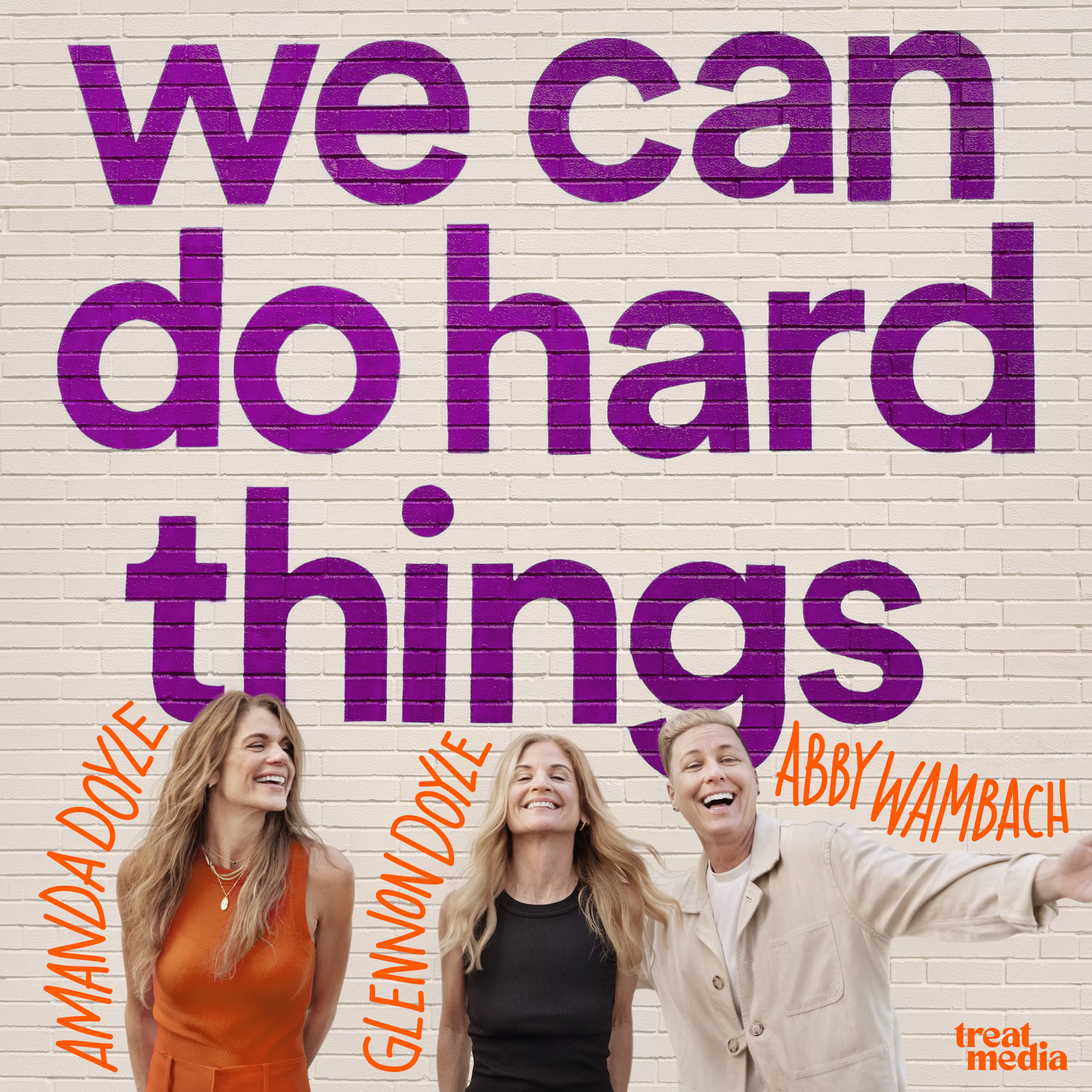
Overview of Why Date Nights Don’t Work (and What to Do Instead)
In this We Can Do Hard Things “best of” episode, Glennon Doyle and Abby Wambach unpack why the standard “go on a date night” advice often fails long-term couples. Their core argument: date night isn’t broken because relationships are broken—date night is broken because it’s usually too predictable, too pressured, and too similar to the rest of the week. Instead of trying to “fix” connection with a fancy dinner and forced conversation, they argue that couples need novelty, surprise, movement, and shared risk to feel alive and curious about each other again.
Why Traditional Date Nights Can Backfire
The problem with the prescription
- Date night is often treated like a universal solution for:
- emotional distance
- lack of physical intimacy
- boredom
- relationship stagnation
- But if the relationship already feels stale, a familiar dinner out may simply recreate the same dynamic—just more expensively.
Why they feel worse than helpful
- They can become:
- overly scheduled
- expensive and stressful
- emotionally loaded
- a setup for disappointment if you expect them to “save” the relationship
- For some couples, the pressure of a date night even creates anxiety around whether it must lead to physical intimacy afterward.
Correlation is not causation
- The episode cites survey data showing that couples who go on dates more often report higher marital and sexual satisfaction.
- But the hosts stress that this doesn’t prove date nights cause happiness—more connected couples may simply be more likely to go on dates in the first place.
The Real Goal: Not “Getting to Know” Someone, But “Unknowing” Them
Long-term love requires curiosity
- Early dating is about learning who someone is.
- Long-term love, they argue, is about creating conditions where you can discover each other again.
- The relationship gets stale when both people feel like they already know exactly how the other will act, speak, and respond.
Novelty creates aliveness
- Shared novelty activates the same brain circuits associated with excitement and early attraction.
- The point isn’t luxury; it’s newness.
- Even small changes in setting or activity can make a partner feel fresh again.
What Actually Works Better Than a Standard Date Night
1. Do something new together
Examples mentioned:
- hiking
- skiing
- dancing
- ice skating
- snorkeling
- roller skating
- camping
- pottery or art classes
- a surprise outing
- a ropes course or zip-lining
2. Add shared vulnerability
- Trying something neither person is good at can create energy and connection.
- It helps if both people are equally “new” at the activity, so neither person feels singled out or exposed.
3. Use movement and parallel play
- The hosts connect this to child development: kids bond best when they’re side by side, doing something together, not sitting face-to-face in forced conversation.
- That same principle can work for adults:
- walk and talk
- hike together
- do a class side by side
- take a city tour
- play a game while moving
4. Let the environment do some of the work
- A third-party activity can relieve the pressure of “having to talk.”
- In other words, don’t make the whole date depend on conversation alone.
Practical Ideas for Better Connection
The “date bowl” method
They propose brainstorming a long list of possible activities and putting them into a bowl:
- 25–30 ideas
- mix of low-cost and higher-energy options
- choose one randomly each week
- removes decision fatigue and repetitive habits
Add parameters to make it doable
- Keep some options:
- under 30 minutes
- under a certain budget
- low-planning and easy to execute
- This makes novelty feel more realistic, not like another chore.
Make it about play, not performance
- They suggest rethinking “date night” as play time.
- That framing reduces pressure and makes the goal connection, not checking a box.
Use “fuck first” if intimacy pressure is the issue
- If physical intimacy tends to feel like a looming obligation after a date, handle it first—or remove the pressure entirely.
- The broader point: don’t force a romantic script that makes both people tense.
Include your own aliveness
- Don’t outsource your sense of being “turned on” or alive to your partner.
- If you need rest, creativity, freedom, solitude, or a bookstore trip, honor that too.
- Individual aliveness supports relationship aliveness.
Key Takeaways
- Date night is not a silver bullet.
- Familiarity without novelty can deepen boredom.
- Curiosity, surprise, and shared risk are more powerful than a candlelit dinner.
- Movement and side-by-side experiences often create more connection than face-to-face interrogation.
- A better relationship strategy may be to stop “date nighting” and start “playing” together.
Bottom Line
The episode’s central insight is simple but powerful: long-term love doesn’t just need time together—it needs different kinds of time together. If your dates feel like a chore, the answer may not be more date nights. It may be more surprise, more movement, more play, and more willingness to see your partner—and yourself—as unknown again.