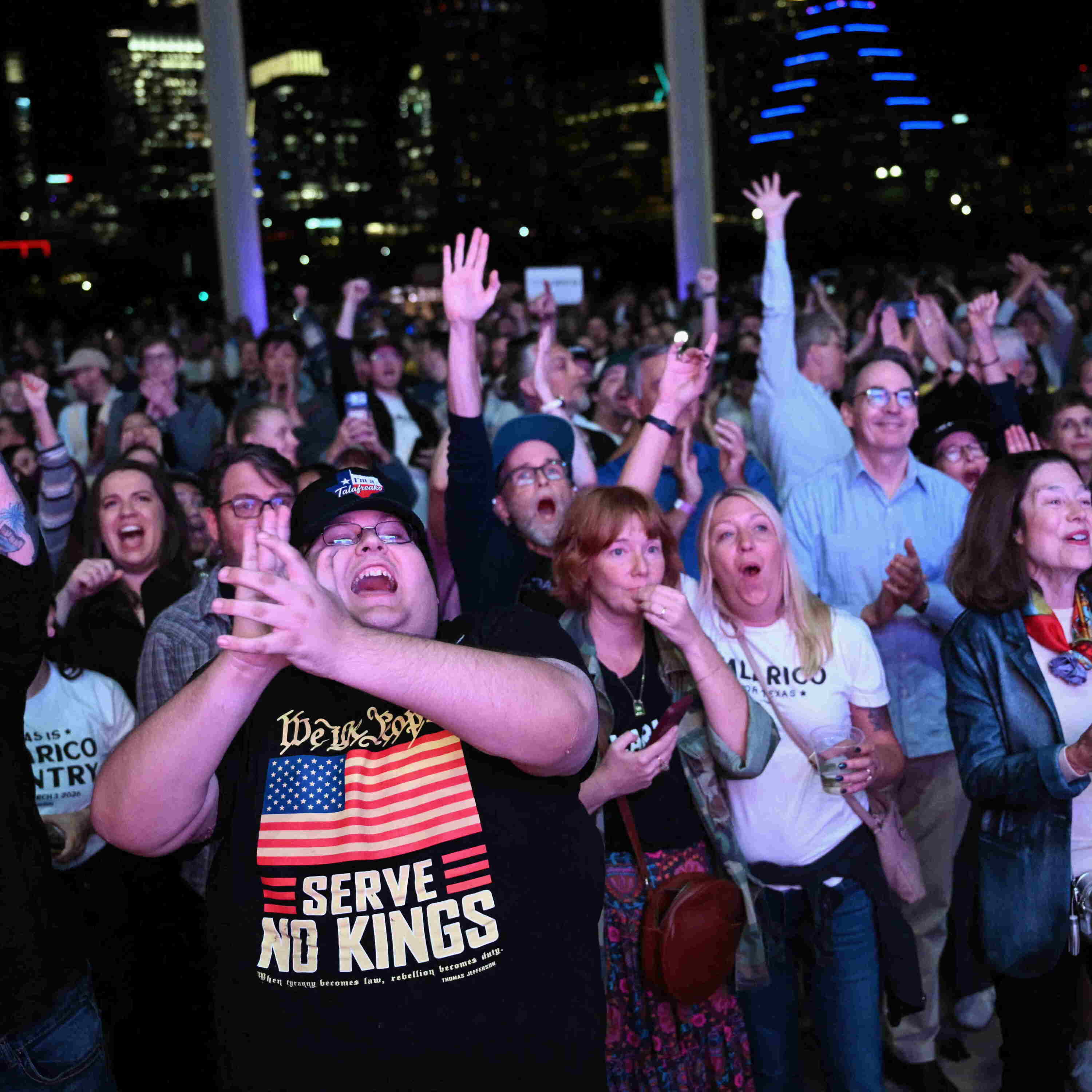
Overview of Sunday Story: Where will America go from here?
This NPR episode breaks down a historic midterm election in which Democrats won big and voters delivered a sharp rebuke to President Trump and the Republican agenda. NPR congressional correspondent Barbara Sprunt and senior political editor Domenico Montanaro examine why the wave happened, which voter groups shifted hardest, and what the results could mean for both parties heading into the next election cycle.
Why voters turned against Republicans
The guests argue this was less a Democratic triumph than a Republican collapse driven by voter frustration with the Trump administration.
- Affordability was the central issue: voters repeatedly cited:
- high gas prices
- the economy
- housing costs
- rising everyday expenses
- Many voters felt unheard by the administration, even some Republicans and independents who usually lean conservative.
- The election became a referendum on Trump’s policies and governing style, especially the sense that government was not addressing working people’s concerns.
The biggest voter shifts
The episode highlights major swings among several groups that helped drive the Democratic win:
Young voters
- Democrats won voters ages 18–29 by 48 points, an unusually large margin.
- That margin was even larger than Obama’s 2008 margin, though fewer young people voted this time.
Latino voters
- Latino voters were a major swing bloc.
- The hosts say Trump misread Latino priorities:
- many cared most about prices and the economy
- many supported border security and legal immigration processes
- but harsh deportation tactics alienated voters, including legal residents who feared detention or deportation
Independents and white voters
- Independents also swung away from Republicans.
- Democrats even split white voters with Republicans, which is historically significant.
Why the Republican strategy backfired
The discussion emphasizes that Republicans made several strategic miscalculations.
- Immigration messaging misfire: Trump and his team overestimated how much voters cared about immigration relative to the economy.
- Overreach on deportation: aggressive immigration enforcement harmed Republicans with Latino communities.
- Redistricting/gerrymandering backfired:
- only one of the redrawn Republican-favored districts held
- in some places, weakening safe districts created openings for Democrats
- Candidate quality mattered:
- Democrats fielded candidates who felt authentic and rooted in their communities
- Republicans were hurt by weak or uninspiring candidates, including candidates tied to political dynasties or seen as out of touch
What the South showed
The episode also looks at surprising results in the South, where high Black turnout and strong Democratic candidates helped flip or nearly flip races.
- South Carolina rejected a Trump-backed candidate tied to the Graham political family.
- Mississippi remained close enough that a Black Democratic senator was still possible, a rare outcome in the modern era.
- The hosts frame this as a sign that authenticity and turnout can overcome restrictive political terrain.
What Democrats may do with power
With major gains, Democrats now face the challenge of governing and using their majority strategically.
Likely priorities
- Oversight and investigations
- corruption
- ICE conduct
- the Epstein files
- potentially other administration figures
- Not likely to pursue Trump impeachment as a main strategy
- the hosts say Democrats know it would consume too much time and is unlikely to succeed
- they may, however, target cabinet officials such as Pete Hegseth
Strategic challenge
Democrats will have to balance:
- a progressive wing that wants accountability and retribution
- a broader coalition that primarily wants lower costs and better access to basics like housing and healthcare
What this means for Republicans
The episode argues Republicans are entering a post-Trump identity crisis.
- Trump still has influence, but the hosts question whether he remains the unquestioned party leader.
- More Republicans may begin openly positioning themselves for 2028.
- Figures like Ted Cruz, Ron DeSantis, J.D. Vance, and Marco Rubio are implied to have room to compete in a wider field.
- The party must decide whether it remains defined by:
- Trump’s personal power
- tax cuts and elite donors
- or a new populist message that can win back voters
Trump’s role going forward
The hosts say Trump is unlikely to fade quietly.
- He is described as someone who does not accept irrelevance
- He will likely keep pushing for legacy projects and symbolic control
- The episode notes his efforts to shape the White House and his surroundings as part of that legacy-building impulse
Main takeaway
The episode’s core argument is that this election was powered by economic frustration, populist anger, and candidate authenticity more than traditional party loyalty. Both parties now face a reckoning:
- Democrats must govern a big tent without losing the coalition that just gave them a mandate.
- Republicans must decide what they stand for after Trump, and whether they can win without relying on him.
Notable insight
The election was not just about one party winning; it was about voters rejecting elites, corruption, and a political system they felt was not working for them.
If you want, I can also turn this into a shorter executive summary or a bullet-point recap for quick reading.