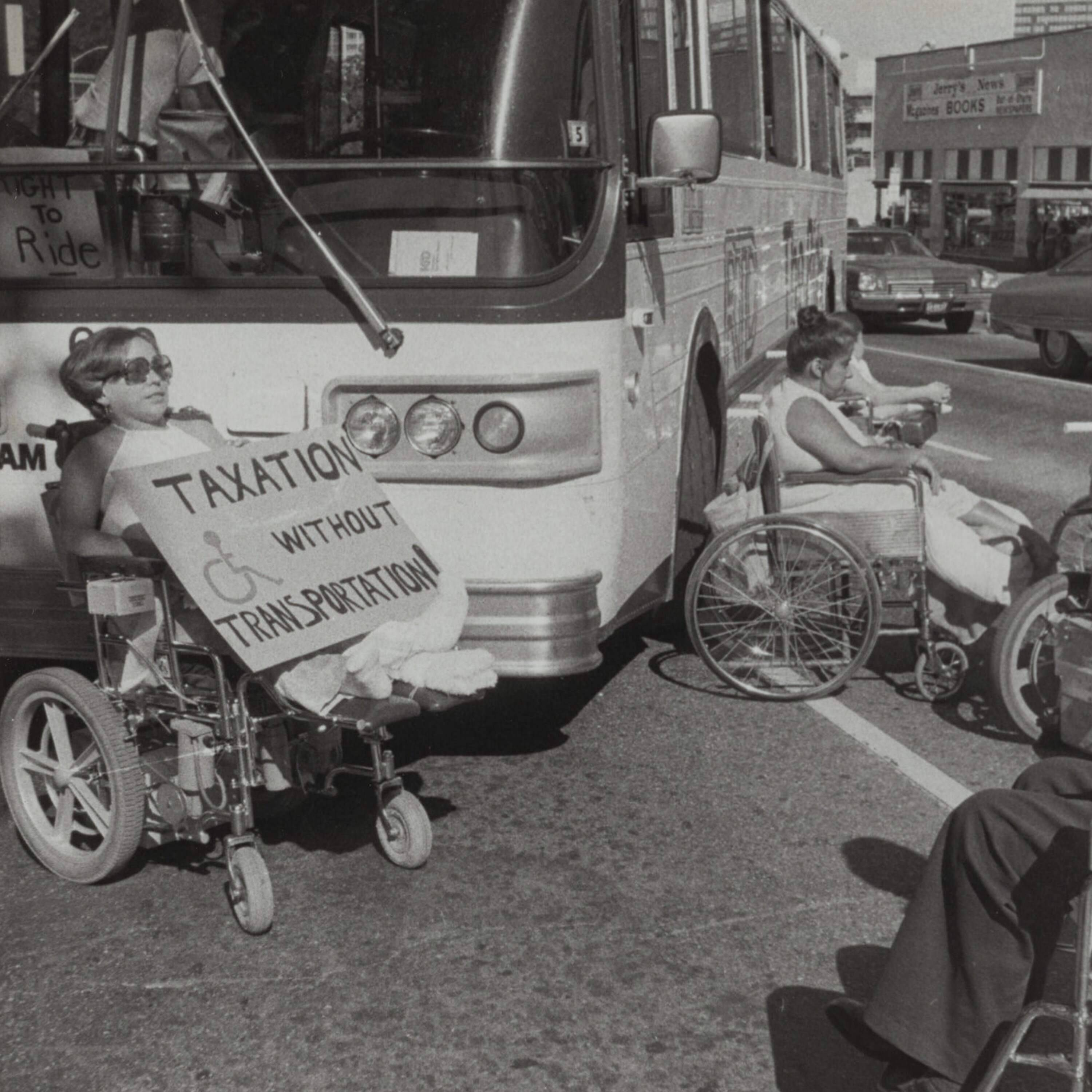
Overview of ‘We want to ride’: the 1978 protest that sparked the disability rights movement
This NPR Sunday Story traces how a little-known 1978 Denver protest by 19 disabled activists helped ignite the modern disability rights movement in the United States. The episode connects that early act of civil disobedience to the passage of the Americans with Disabilities Act (ADA), the push for independent living, and today’s concerns that hard-won gains are being weakened by Medicaid cuts and policy rollbacks.
The core story: how the “Gang of 19” changed disability activism
The episode centers on a group of young wheelchair users living in the deeply neglectful Heritage House nursing home in Denver. Nicknamed the Gang of 19, they were mentored by Wade Blank, a non-disabled former civil rights activist and minister who believed disabled people should live in their communities, not institutions.
What happened in Denver
- Blank and allies helped residents leave the nursing home and move into the community.
- When the city transit system refused to make new buses wheelchair accessible, the group took direct action.
- In July 1978, they blocked buses downtown and demanded the right to ride.
- Police were unable to easily arrest them because buses, police vans, jails, and courthouses were also inaccessible.
- The city eventually agreed to add wheelchair lifts to buses.
Why it mattered
The protest became a model for disability rights organizing:
- direct action
- public confrontation
- demands for access, not charity
- insistence on being treated like full citizens
The movement’s bigger goal: independent living
A major theme throughout the episode is independent living—the idea that disabled people should be able to:
- live in their own homes
- receive care in the community
- go to school, work, and participate in public life
- make decisions about their own routines and bodies
The story makes clear that disability rights were not just about ramps and buses. They were about freedom, self-determination, and inclusion.
From the Gang of 19 to ADAPT and the ADA
The Denver activists later became founding members of ADAPT in 1983, a national disability rights organization known for highly visible protests.
Major milestones covered
- Public transit activism: pushing for wheelchair lifts and accessible buses nationwide
- The Capitol Crawl (1990): about three dozen activists crawled up the U.S. Capitol steps to dramatize the barriers faced by disabled people
- ADA passage: Congress ultimately passed the Americans with Disabilities Act with broad bipartisan support
The ADA is presented as a landmark civil rights law that barred discrimination in:
- jobs
- public transit
- restaurants
- stores
- hotels
It also helped open the door to community-based care instead of institutionalization.
Nikki Bishop: a modern example of what’s at stake
The episode uses Nikki Bishop, a Denver-area social worker and disability advocate with spinal muscular atrophy, to show how disability rights policy affects real lives today.
Her situation
- She needs around-the-clock assistance for daily tasks.
- Medicaid covers her attendant care.
- That care allows her to work, parent her son, and live independently.
- Without it, she says she would likely be in a nursing home.
Bishop’s story illustrates the practical meaning of disability rights: not abstract inclusion, but the ability to live at home and remain part of a community.
New threats and ongoing concerns
The episode ends on a more urgent note: advocates worry the progress made since the ADA is being eroded.
Concerns raised
- cuts to Medicaid funding
- work requirements tied to Medicaid eligibility
- a Justice Department memo questioning long-standing community-care obligations
- state budget pressures that may reduce in-home support services
The fear is that these changes could push disabled people back toward institutions and nursing homes, reversing decades of progress.
Key takeaways
- The disability rights movement was built through direct action and civil disobedience, not only court cases and legislation.
- The Gang of 19 protest in Denver was a pivotal moment that helped reshape national activism.
- The ADA was a landmark, but advocates see it as a foundation, not the finish line.
- Independent living remains central: access to attendant care is often what makes community life possible.
- Current Medicaid and policy changes may threaten those gains, making the movement’s legacy newly relevant.
Notable insight
One of the episode’s central messages is that disability rights are about more than access—they are about the right to exist in public life with dignity. As one activist puts it, the movement was about “the right to be in the world.”