Overview of Up First: Sunday Story — Emotional Abuse in College Sports
This NPR Sunday Story (from Up First) investigates emotional abuse of student-athletes in U.S. college sports. Reporters Julia Haney and Elizabeth Santos trace two emblematic cases (the death of Jacksonville cross-country runner Julia Pernsteiner and the lawsuit by Croatian twins Maria and Marta Golic against the University of San Francisco) to illustrate patterns of verbal harassment, manipulation, institutional failures, legal challenges, and the long-term harm to athletes’ mental health. The piece shows how emotional abuse differs from one-off tough coaching and why current systems often fail to prevent or redress it.
Key takeaways
- Emotional abuse in sports often includes persistent verbal attacks, humiliation, manipulation (e.g., threatening scholarships), control, body shaming, and racial insensitivity.
- NPR’s reporting compiled over 100 allegations of emotional abuse in college athletics going back to 2011.
- Institutional responses are often inadequate: internal investigations can be perfunctory or conflicted, and external bodies (NCAA, SafeSport) generally do not provide robust coverage for emotional abuse.
- Legal remedies are possible but difficult: juries and courts are sometimes skeptical of claims based on psychological harm, although one jury found a coach liable and awarded significant damages.
- Emotional abuse can lead to severe mental-health crises, suicide, long-term avoidance of the sport, and life-altering consequences.
Case studies
Julia Pernsteiner — Jacksonville University (cross-country)
- D1 runner who reported persistent verbal abuse from longtime coach Ronald Grigg (alleged name-calling, humiliation, body shaming, withholding scholarship pressure).
- Pernsteiner contacted dozens of people and organizations (athletic staff, counseling center, hospital, media, NCAA, legal groups). A campus security officer told her emotional abuse is not a crime in Duval County, Florida.
- Weeks after reporting, Pernsteiner died by suicide in fall 2021 at age 23. Her family filed a wrongful death suit; they later settled (no admission of wrongdoing by the university). Grigg resigned the following summer.
- Her case exemplifies how emotional abuse can escalate and how criminal law often cannot address it.
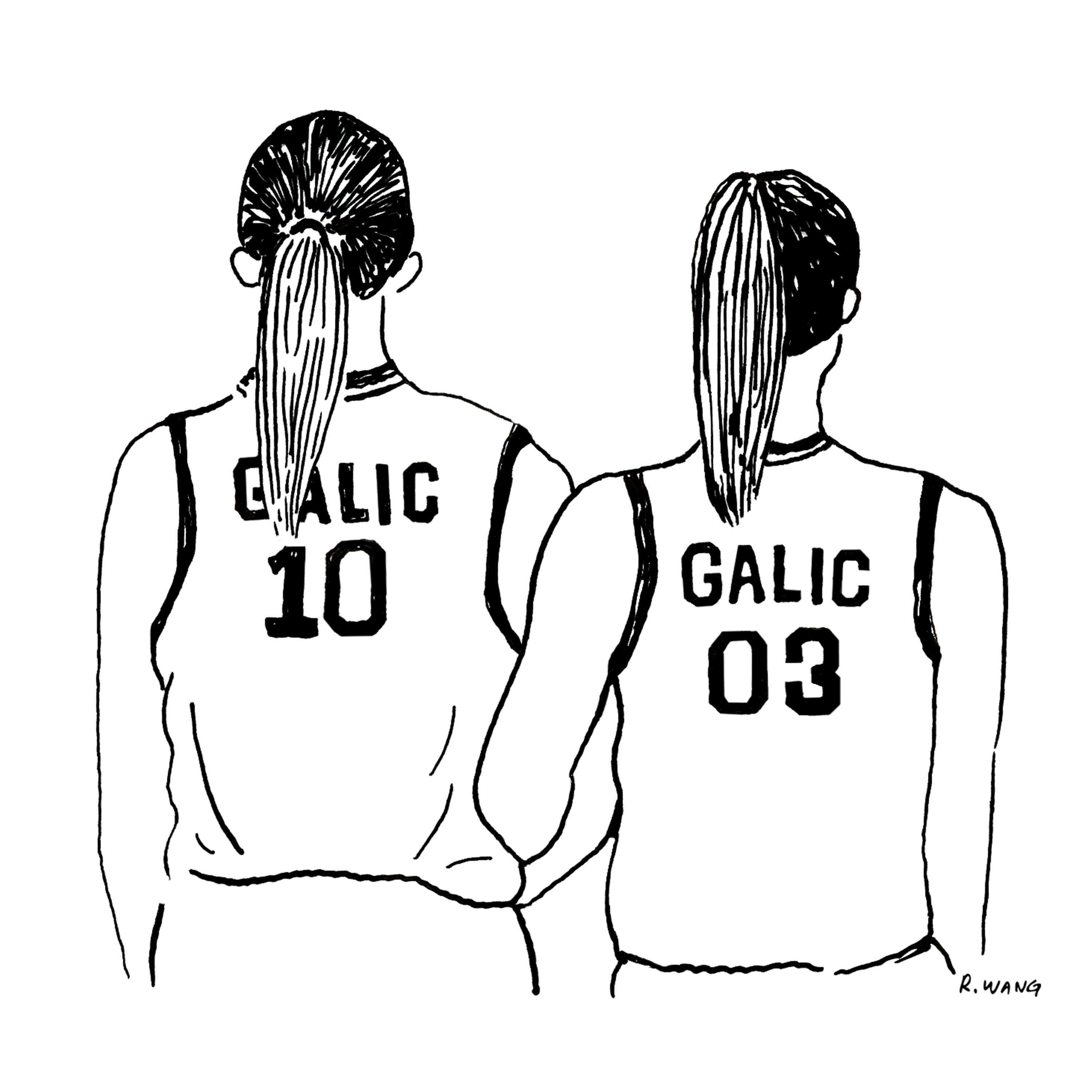
Maria and Marta Golic — University of San Francisco (women’s basketball)
- Croatian twin recruits who allege head coach Molly Goodenbauer used demeaning language (calling players “idiots,” “worthless,” “pieces of shit”), threatened scholarships, and created a hostile environment.
- Specific incident: Marta says she was refused permission to use the bathroom during a drill, urinated on herself, and was allegedly ignored/humiliated.
- The twins reported to multiple university channels (trainers, counseling, compliance). USF’s internal investigation interviewed only one player (Maria) and the coaches, ultimately concluding no policy violation.
- The twins sued in 2021 for intentional infliction of emotional distress and negligence. Trial (July 2023) verdicts:
- Jury found Goodenbauer liable for intentional infliction for Maria; awarded $250,000 compensatory + $500,000 punitive (punitive later restored on appeal).
- For Marta, the jury found outrageous conduct but not severe emotional distress; retrial was granted for some claims and Marta later settled.
- Despite the verdicts and prior accusations at other programs, USF renewed Goodenbauer’s contract (through 2028); she remains head coach.
Patterns and examples of abusive behavior described
- Persistent verbal abuse: name-calling, insults, public humiliation.
- Manipulation and coercion: threatening to revoke scholarships or threaten future opportunities.
- Control tactics: denying basic needs (e.g., restroom access during drills).
- Body shaming and performance-based humiliation.
- Racially insensitive comments by staff toward players of color.
- Emotional degradation that leads to anxiety, panic attacks, depression, suicidal ideation, and in one case, suicide.
Reporting channels and system failures
- Concentric-reporting reality: team/coaches → athletic department → university offices (HR, Title IX, counseling) → governing bodies (NCAA, national sport bodies) → SafeSport → courts.
- Major gaps:
- NCAA has no explicit emotional abuse policy covering all student-athletes.
- SafeSport was primarily created to address sexual abuse; it mostly does not investigate emotional abuse.
- Universities often investigate internally, creating conflicts of interest and incentives to minimize liability.
- Coaches with troubling records at prior institutions can continue being hired; searches may be expedited without thorough vetting.
Legal landscape and challenges
- Plaintiffs must often prove intent or reckless disregard, link conduct to psychiatric harm, and overcome skepticism about non-physical injuries.
- Power differential (coach as surrogate parent/authority) is a key factor that can make verbal conduct legally actionable.
- Jury verdicts can validate harm and lead to compensatory and punitive damages, but outcomes vary and appeals can alter awards.
- Successful litigation may produce accountability and precedent, but legal processes are long, costly, and uncertain.
Consequences for athletes
- Short-term: panic attacks, anxiety, suicidal thoughts, counseling and hospital visits.
- Medium/long-term: quitting sport, inability to enjoy or return to playing, ongoing trauma that affects education, career choices, and life.
- Even where legal vindication exists, emotional recovery can take years.
Recommendations and implied reforms from the reporting
- Universities should use truly independent investigators for abuse claims to avoid conflicts of interest.
- NCAA and/or Congress should consider adopting clear emotional abuse policies and enforcement mechanisms that cover student-athletes.
- SafeSport’s mandate and resources should be revisited to address non-sexual emotional and psychological abuse or create parallel accountability systems.
- Athletic departments should implement clearer reporting pathways, mandatory training on emotional abuse, record-sharing during hiring, and protections for athletes (e.g., scholarship safeguards).
- Teams should prioritize mental-health services and proactive monitoring for signs of sustained abuse.
Practical steps for affected student-athletes (general guidance)
- Document incidents: dates, times, witnesses, recordings, and written communications.
- Report through multiple channels (team staff, athletic trainers, counseling centers, compliance/title IX offices).
- Preserve medical and counseling records detailing mental-health impacts.
- Reach out to campus resources and local mental-health services for immediate support.
- Consider legal consultation if institutional responses are inadequate (attorneys experienced with athlete cases or employment/education law).
Notable quotes
- Campus security officer to Pernsteiner: “It’s just not a criminal statute to make people feel bad.”
- From the twins’ recordings: threats like “The next time you quit on something, I take your scholarship from you.”
- Psychiatrist expert in the twins’ trial: Maria and Marta’s psychiatric illnesses “were caused by Coach Goodenbauer’s treatment.”
Legal/industry context and numbers
- Reporters compiled over 100 allegations of emotional abuse in college sports dating to 2011.
- SafeSport was created in 2017 (post-Larry Nassar), primarily focused on sexual abuse prevention; it generally does not address emotional abuse.
- NCAA defers much responsibility for athlete safety to member schools and has no formal emotional abuse policy for the ~500,000 student-athletes.
Production credits (from the episode)
- Reporters: Julia Haney and Elizabeth Santos
- Produced by: Andrew Mambo; Edited by Jenny Schmidt; Fact-checking by Katie Doggart; Engineer: Jimmy Keely
- Supported by: UC Berkeley Graduate School of Journalism audio program, Carter Center’s Mental Health Parity Collaborative, Fund for Investigative Journalism
This summary captures the episode’s principal reporting, examples, systemic findings, legal outcomes, and suggested reforms for institutions that oversee college athletics.