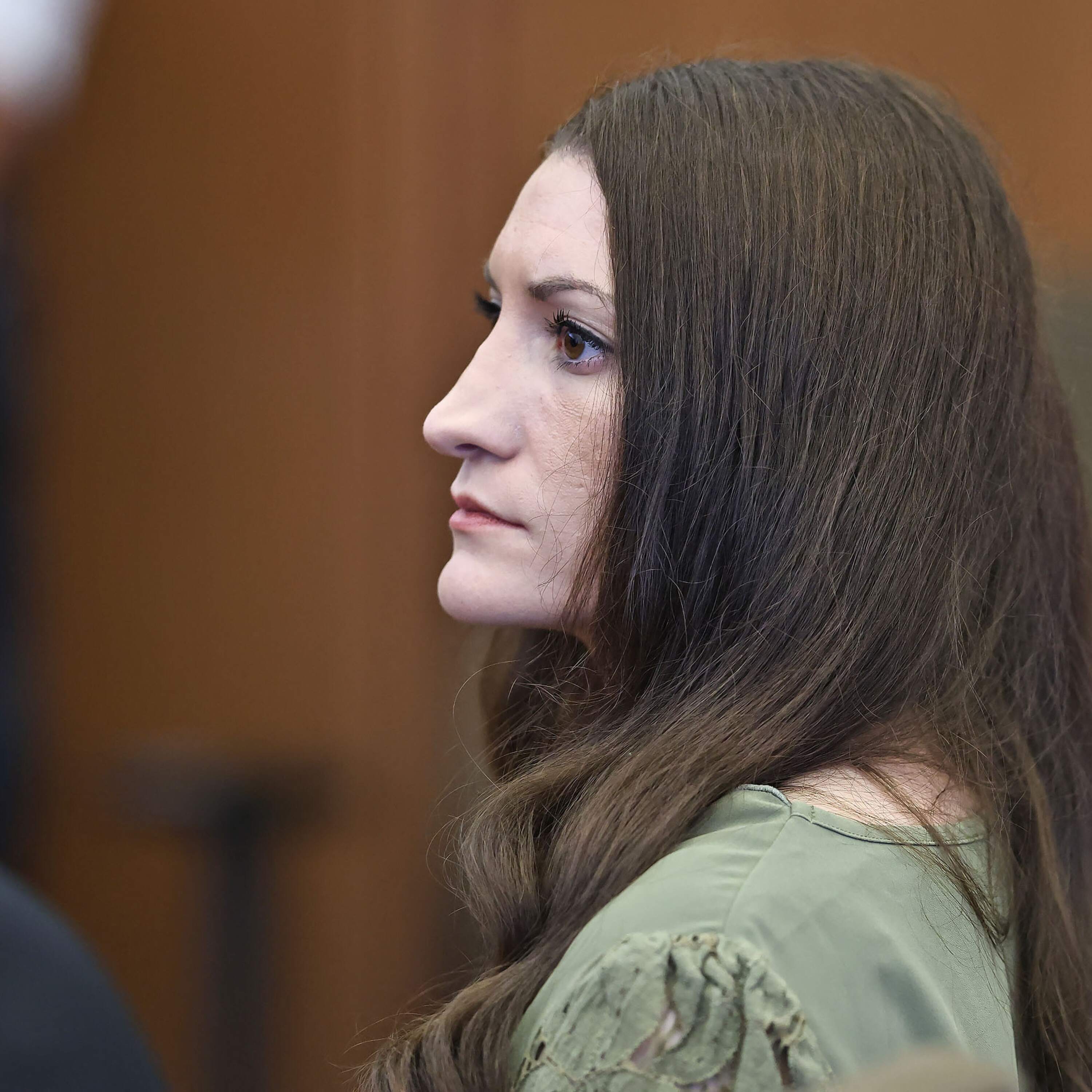
Overview of The Clancy trial and a split over postpartum psychosis
This NPR Sunday Story examines the mistrial in the Lindsay Clancy case, where the Massachusetts mother was charged with murdering her three children in 2023 and her defense argued she was suffering from postpartum psychosis. The episode focuses on the clash between mental-health and criminal-responsibility arguments, the emotional impact of the trial, and the broader national debate it sparked about postpartum care, motherhood, and how the legal system handles severe maternal mental illness.
The case at a glance
- Defendant: Lindsay Clancy, 36, a former labor-and-delivery nurse from Massachusetts.
- Charges: Three counts of first-degree murder for the deaths of:
- Cora, 5
- Dawson, 3
- Callan, 8 months
- What happened: Prosecutors said she strangled the children in 2023. Her husband, Patrick Clancy, later found the children in the basement and Lindsay Clancy injured after a fall from a second-story window during a suicide attempt.
- Trial outcome: The jury was deadlocked after about 38 hours of deliberation, and the judge declared a mistrial.
The central legal dispute
Defense argument
- The defense said Clancy was in the throes of postpartum psychosis, with her mental state worsened by multiple medications and inadequate medical care.
- They argued she was not criminally responsible because she could not fully understand or control her actions.
- Defense experts, including psychiatrist Dr. Philip Resnick, testified that she was hearing commanding voices and lacked meaningful control.
Prosecution argument
- Prosecutors said Clancy was not psychotic at the time of the killings and acted with intention.
- They pointed to actions they said showed planning and awareness, including:
- Driving a car
- Contacting her child’s pediatrician
- Sending her husband out on errands
- They argued the killings met the standard for first-degree murder, including extreme cruelty and atrocity.
Why postpartum psychosis became such a major focus
The trial became a public referendum on maternal mental health, especially because the defense claimed Clancy had been failed by the medical system.
Key distinctions discussed in the episode
- Postpartum depression: relatively common, affecting about 1 in 7 new mothers.
- Postpartum psychosis: rare, affecting about 1 to 2 in 1,000 births, and involving a loss of touch with reality.
- Experts noted that postpartum psychosis is not currently listed as its own diagnosis in the DSM, even though advocates want that to change.
Why the case was controversial
- The prosecution argued Clancy was well outside the typical postpartum window because her youngest child was 8 months old.
- The defense countered that experts disagree on how long the postpartum period can last, and that her symptoms fit psychosis regardless of timing.
- The episode highlights a broader concern: new mothers can struggle to get timely, accurate mental-health treatment, and symptoms may be missed or misread.
What the episode says about Clancy’s attempts to get help
The transcript emphasizes that Clancy appeared to be actively trying to manage her worsening mental health:
- Tried several prescriptions
- Extended maternity leave
- Checked into McLean Hospital for inpatient treatment
- Sought outpatient/day-program care
- Went to the ER
- Called a suicide hotline twice
- Reportedly tracked her own medications and side effects
The defense argued this showed a woman in crisis who was not being adequately supported by providers. The prosecution responded that she had access to care but sometimes ignored advice, switched providers, or stopped taking medication.
The jury deadlock and mistrial
- The jury deliberated for roughly 38 hours.
- According to later comments from jurors, one holdout reportedly had reasonable doubt about whether Clancy was criminally responsible, but would not join a verdict of not guilty by reason of insanity.
- The defense made an emergency request to remove that juror, but a state Supreme Judicial Court justice declined to intervene.
- With no unanimous verdict, the judge declared a mistrial.
Emotional toll inside the courtroom
The episode underscores how emotionally devastating the trial was for everyone involved:
- Clancy was present in a wheelchair, paralyzed from the waist down after her suicide attempt.
- Several proceedings were interrupted because she became overwhelmed and sobbed.
- The most harrowing moment described was the playback of Patrick Clancy’s 911 call, in which he discovered the children and was heard reacting in real time.
Public reaction and online frenzy
The case drew intense attention far beyond the courthouse:
- The trial was livestreamed, making it widely accessible.
- Large crowds showed up in Plymouth, including:
- Supporters wearing pink and signs like “You’re a good mom” and “The system failed you”
- Smaller counter-protests emphasizing the children who died
- Social media was filled with conspiracy theories, amateur analysis, and speculation about the family and the evidence.
- The episode notes how modern media ecosystems can amplify misinformation and turn a criminal case into a cultural flashpoint.
Bigger questions raised by the case
The discussion broadened beyond the facts of the crime to larger social issues:
- Maternal mental health care: Are new mothers being diagnosed and treated well enough?
- Motherhood expectations: Do cultural pressures keep women from admitting they need help?
- Criminal justice vs. treatment: Should some mothers charged with crimes be routed toward treatment rather than traditional prosecution?
The episode suggests that the case has already increased calls to postpartum support organizations and intensified pressure for legal reform.
What happens next
- The Plymouth County district attorney still must decide whether to:
- Retry the case
- Seek lesser charges
- Offer a plea deal
- Clancy remains in a state hospital while the legal process continues.
- The episode also notes momentum in Massachusetts for a proposed law that would direct some mothers charged with crimes into treatment instead of the criminal legal system.
Key takeaway
This case is not only about one tragic crime and a mistrial; it has become a national conversation about postpartum psychosis, inadequate maternal mental-health care, legal responsibility, and how society judges mothers in crisis.