Overview of Pinching pennies, casting ballots: a midterms dispatch from the Midwest
This NPR Sunday Story explores how rising costs are reshaping daily life and voting behavior across the Midwest, where affordability has long been part of the region’s identity. Through interviews in Nebraska, Missouri, Kansas, and Iowa, the Midwest Newsroom finds that food, housing, utilities, child care, student debt, and transportation are squeezing households across income levels. Even in a region considered cheaper than the coasts, many residents say wages are not keeping pace, and they are skeptical that politicians can quickly fix the problem.
Key Themes and Takeaways
Affordability is now a top political issue
- Voters and candidates are both talking about the “affordability crisis.”
- Polling and interviews suggest cost of living is among the top concerns heading into the midterms.
- Many people say the issue matters more than party loyalty, though most still plan to vote along familiar lines.
The Midwest is still cheaper than other regions — but not truly affordable
- The region may have lower prices than places like New York or California, but incomes are also lower.
- Rising costs hit harder because households have less room in their budgets.
- The segment repeatedly emphasizes that “relatively affordable” is not the same as affordable.
People are adapting in creative but stressful ways
Residents are:
- Taking on side gigs and gig work
- Using credit cards for groceries
- Delaying or missing bills
- Trading labor for reduced rent
- Moving back to the Midwest after finding other regions unaffordable
- Cutting back on spending, cars, and discretionary purchases
Major Cost Pressures Discussed
Food prices
- Grocery costs were a major concern across income levels.
- Food prices rose nearly 3% year over year nationally.
- Beef was highlighted as a major example, rising nearly 12% year over year.
- One example: ingredients for burgers for a family of four cost about $28 in Lincoln, Nebraska, compared with $22.61 five years ago.
- A data point cited in the piece: about one in four Americans are using credit at the grocery store.
Housing and rent
- Starter homes are increasingly out of reach.
- Nebraska rents have risen nearly 29% since 2019.
- Median rent in the state has climbed from the high $800s to over $1,000.
- Older renters and low-income residents are especially vulnerable.
Child care and student debt
- Child care costs remain high even in places with lower overall living costs.
- Student loan payments are crowding out other essentials.
- Missouri was noted as having the nation’s highest student loan default rate.
Utilities, insurance, taxes, and farm costs
- People also cited:
- Electricity increases
- Car insurance
- Property taxes
- Farm input costs
- Sales taxes
- Rural residents and farmers said small operations are being squeezed by inflation and big-business pressures.
Notable Voices and Personal Stories
Linda Rufus, Storm Lake, Iowa
- A 67-year-old retiree relying on food bank support.
- Described having to “rob Peter to pay Paul” because groceries are so expensive.
Chuck Martins, Omaha, Nebraska
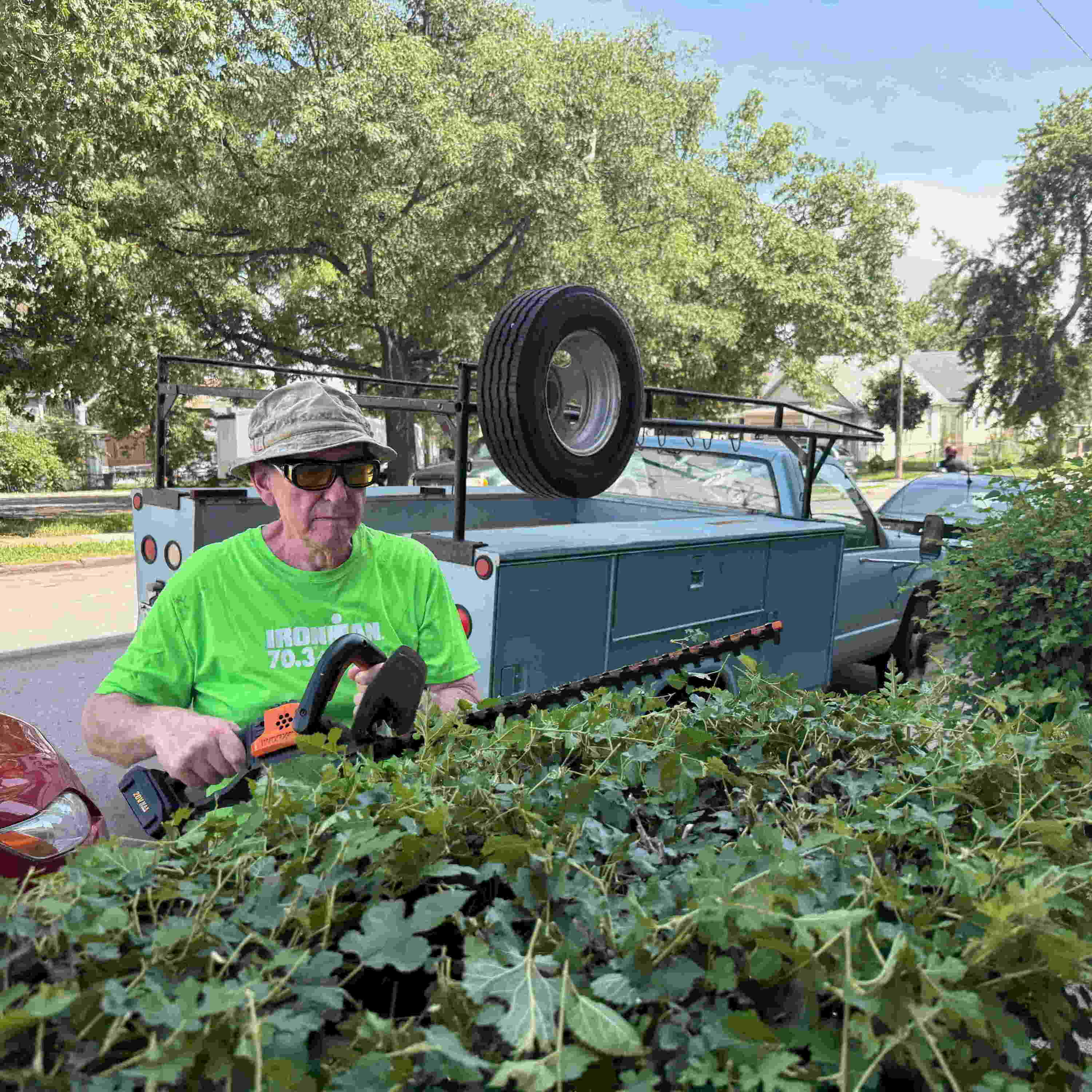
- A 77-year-old renter who does chores for reduced rent.
- Said he sells personal belongings to get by.
- Worried that if he can’t work physically anymore, he may have nowhere to live.
Grace Englehart, Blue Springs, Missouri
- Works full time but also tutors and pet-sits to pay for gas and other expenses.
- Her student loan payment is nearly $1,000 a month, almost an entire paycheck.
- Feels exhausted and overextended.
Brittany and Ryan Arthur, Kansas City area
- Moved back from Portland after child care, housing, and general costs became unsustainable.
- Could buy a house in Kansas City, but daycare and other expenses still remained high.
- Had to reduce from two cars to one and watch spending closely.
Luann and Scott Schindler, Clearwater, Nebraska
- A politically split household: she is a Democrat, he is a Republican.
- Both feel rural America is in crisis.
- Luann is frustrated by rising costs and wants candidates who deliver real solutions.
- Scott remains skeptical of change, but still plans to vote Republican.
Melanie Magana, Olathe, Kansas
- An independent voter nearing mortgage payoff.
- Said people who aren’t constantly squeezed could build healthier, happier communities.
Political Implications
Affordability is important, but not always the deciding issue
- In Iowa, cancer is a more prominent issue.
- In Missouri, taxes and abortion are getting more attention.
- In Nebraska, the Senate race reflects affordability concerns in contrasting ways:
- Pete Ricketts emphasizes tax changes and ties to Trump.
- Dan Osborne frames Ricketts as an out-of-touch billionaire.
Candidates are not offering many concrete affordability solutions
- The reporting suggests voters want practical action, but few candidates are offering detailed plans.
- One exception highlighted is Kansas Democrat Cindy Holscher, who is focusing on raising the minimum wage.
Voters are pessimistic, but still engaged
- Many respondents do not believe one election will fix structural cost problems.
- Still, they seem motivated to vote, often with the hope of slowing further decline rather than expecting an immediate turnaround.
Data and Broader Context
- About 50% of American families say they lack the resources to cover essential expenses, according to the Urban Institute’s affordability tracker.
- A recent AP poll cited in the segment found 65% of U.S. adults blame Trump-era policies for current high costs.
- The piece stresses that GDP growth and talk of AI-driven prosperity do not feel meaningful to many households because wages are not keeping up.
Bottom Line
The story shows that affordability is no longer just a coastal or urban problem: it is a widespread, everyday crisis across the Midwest. People are cutting back, taking extra jobs, and making difficult tradeoffs just to stay afloat. While voters may not expect immediate relief from the midterms, cost of living is clearly shaping how they think about candidates, government, and the future.