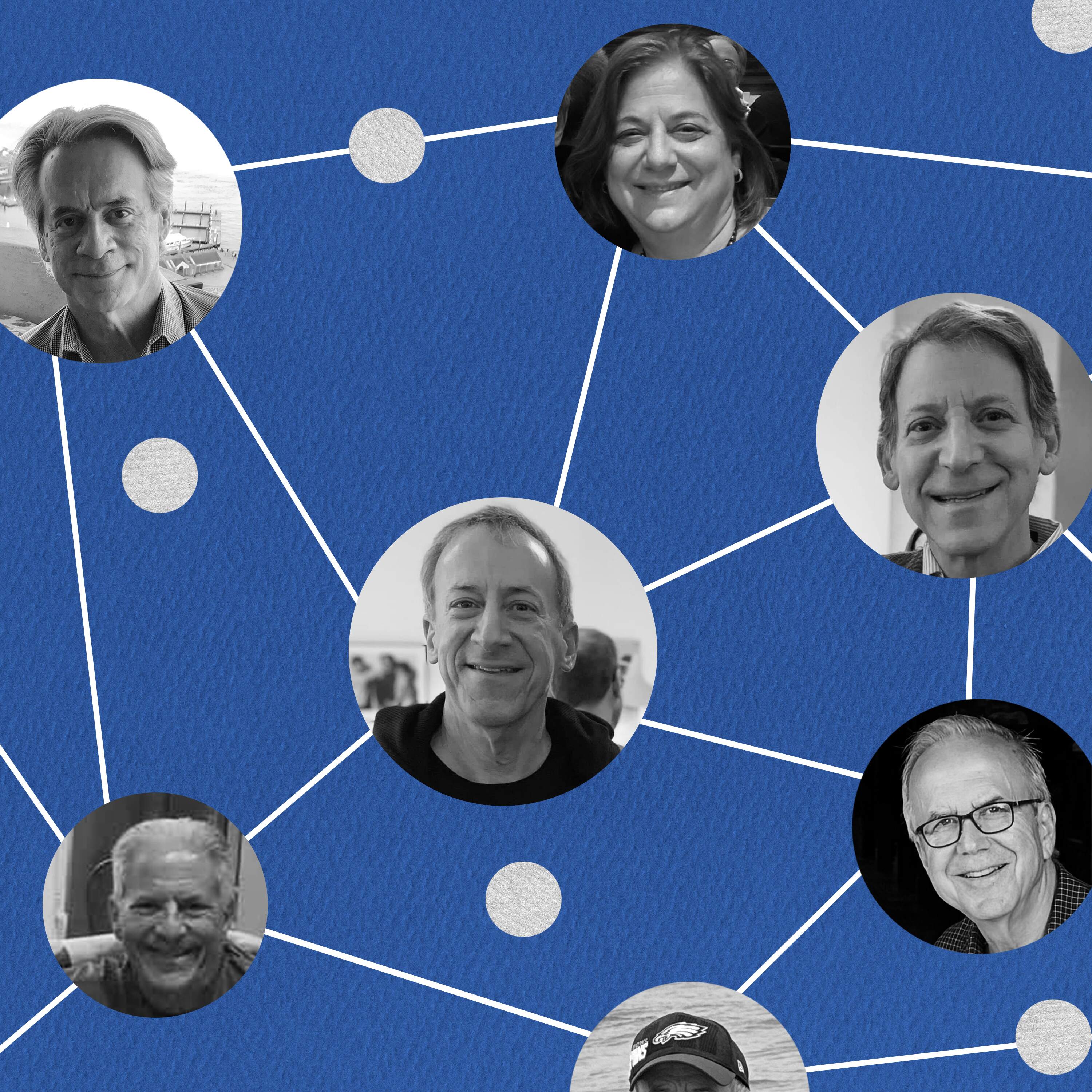
Overview of Infertility doctor secretly fathered dozens of children: how strangers became family
This NPR Sunday Story follows a remarkable group of people in the Philadelphia area who discovered, through consumer DNA testing, that they were half-siblings—fathered not by anonymous donors, but by a prominent fertility doctor, Dr. Charles Charney. What began as a shocking revelation about medical deception evolved into an unusual and deeply human story about identity, grief, anger, gratitude, and the making of family among strangers.
How the secret family was uncovered
- The story centers on Bryna, who took a DNA test in 2014 expecting to find a few relatives on her mother’s side.
- Instead, she found:
- no familiar relatives on her father’s side,
- and several people listed as close relatives who appeared to be half-siblings.
- After comparing raw DNA data with another suspected sibling and an independent geneticist, Bryna learned:
- she and Kathy shared the same biological father,
- and the man who raised her was not her biological father.
- As more siblings found each other through 23andMe and AncestryDNA, the group eventually identified 64 confirmed half-siblings, though they believe the true number could be far higher—possibly 400+.
Who Dr. Charles Charney was
- Charles Charney was an Ivy League–trained, prominent Philadelphia urologist and infertility specialist.
- He was born in 1902 in what was then part of the Russian Empire (now western Ukraine), and his family fled anti-Jewish violence to Philadelphia.
- He fathered these children over a span of more than 25 years, roughly from the late 1940s through the early 1970s.
- The siblings believe Charney often inseminated patients using his own sperm, without the families’ knowledge.
What the siblings learned about the fertility practices of the era
- In mid-20th-century America:
- fertility treatment was much less regulated,
- there were no modern sperm banks,
- and patients often trusted doctors implicitly.
- The transcript suggests that physicians sometimes framed insemination as “boosting” a husband’s sperm rather than replacing it, which may have allowed some families to believe they were the biological parents.
- Some siblings suspect their mothers knew; others believe their parents may have genuinely believed the treatment involved the husband’s sperm or some form of medical help.
- The story raises broader questions about:
- medical consent,
- secrecy in infertility treatment,
- and the shame surrounding male infertility at the time.
Family reactions: anger, grief, curiosity, and gratitude
Reactions ranged widely
- Some siblings were devastated, especially those who learned the truth during difficult times.
- One sibling, Dina, found out the day after her mother’s funeral, making the revelation especially painful.
- Another sibling confronted an early caller harshly and warned that the disclosure could lead to serious emotional harm.
Others felt relief or gratitude
- Several siblings said that by the time they learned the truth, they were older and emotionally grounded.
- Some viewed Charney as a kind of scientific experimenter rather than a father figure.
- A few expressed gratitude for being born at all, even while condemning the deception.
The ethical judgment was clear
- Several doctor-siblings were especially blunt: by any standard, Charney’s actions were unethical.
- The key moral issue wasn’t simply donor conception—it was that the doctor himself appears to have been the donor, without transparency or consent.
How they became a real family
- The siblings created a private Facebook group, then began holding reunions.
- Their first major reunion was in Philadelphia in 2017, followed by later gatherings including a mini-reunion in Fort Lauderdale.
- Early reunions were emotionally intense:
- people came prepared with notes,
- nervousness was high,
- and everyone brought different expectations and feelings.
- A turning point came when one sibling said they were all “miracles,” shifting the mood from shock to solidarity.
What bonded them
- Shared physical traits:
- high cheekbones,
- large foreheads,
- family resemblance.
- Shared professional paths:
- unusually many became doctors or academics.
- Shared experience:
- each had to reframe their identity after learning the truth.
A new kind of siblinghood
- Some siblings became “ambassadors,” helping newly discovered half-siblings process the news.
- Others welcomed the group as the extended family they had always wanted.
- For several who grew up as only children, discovering dozens of siblings filled a lifelong emptiness.
Bigger themes and takeaways
1. Family is more than biology
- Many siblings ultimately concluded that parenthood is defined by:
- love,
- raising,
- care,
- and daily presence, not just genetics.
2. Truth can be painful, but also connective
- The same DNA tests that shattered long-held assumptions also created:
- new relationships,
- community,
- and a sense of belonging.
3. Medical ethics have changed dramatically
- The story highlights how unregulated and paternalistic fertility medicine once was.
- It also sits alongside other notorious cases of doctors secretly using their own sperm—cases that led to lawsuits, criminal charges, and public outrage.
4. People respond differently to betrayal
- Some siblings remain angry or want nothing to do with the new family.
- Others have embraced it as a source of meaning and joy.
- There is no single “correct” emotional response to this kind of revelation.
Final note
The story ends on an unexpectedly hopeful note: a group of strangers, connected by a troubling medical secret, have built a genuine family through honesty, shared experience, and repeated reunions. Their story is both a warning about medical abuse and a testament to human resilience.