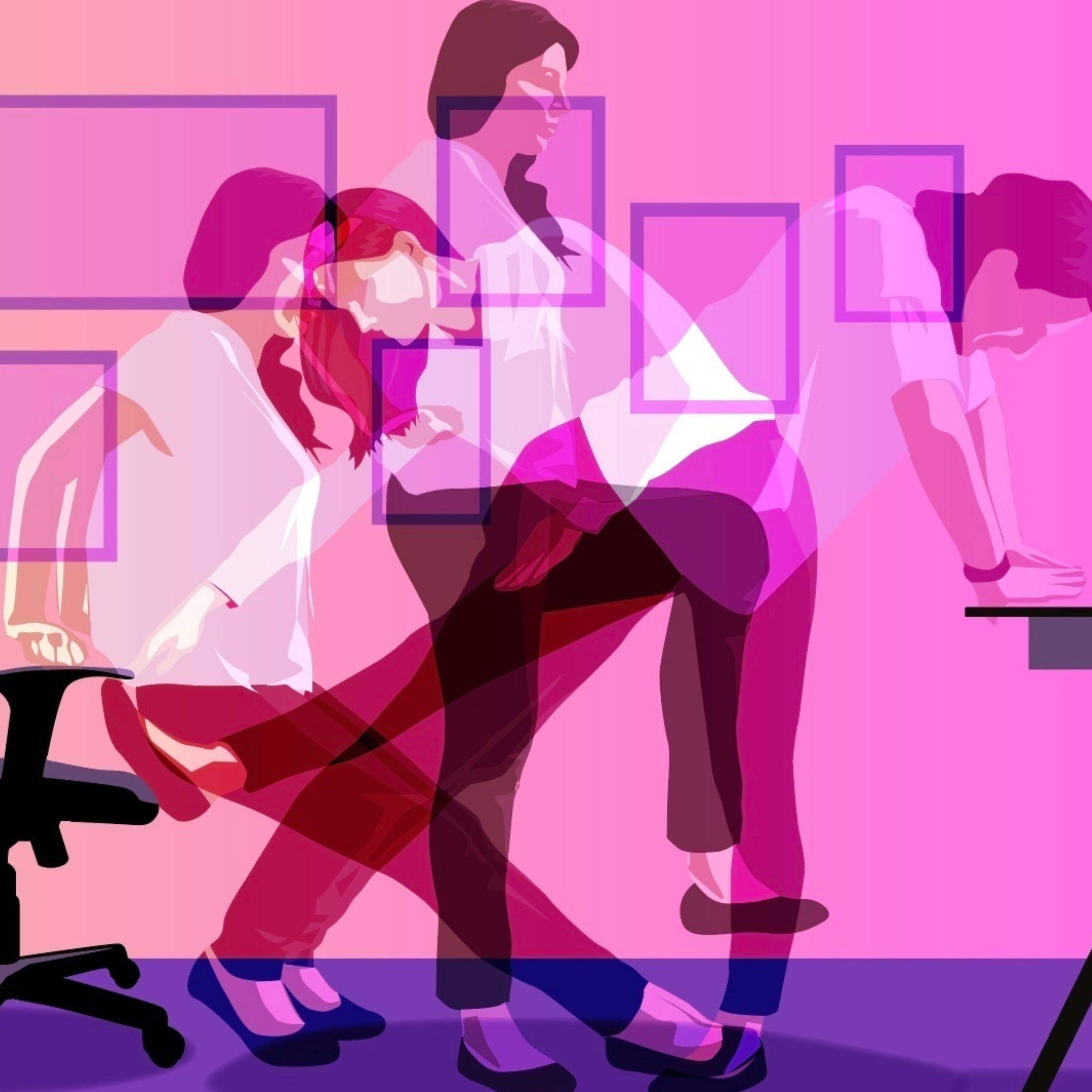
Overview of How 5 Minutes of Movement Can Change Your Life
In this NPR Sunday Story episode, Aisha Roscoe speaks with Manoush Zomorodi about the hidden physical costs of screen-heavy, sedentary life and how small, consistent movement breaks can improve energy, focus, and overall health. Drawing on research from Columbia University Medical Center and a large NPR listener study, the conversation centers on a simple but powerful idea: you do not need a full workout to start feeling better — just a few minutes of movement throughout the day.
Main Idea
Manoush Zomorodi argues that most conversations about tech overuse focus on mental health, but the body is also paying a price.
What screens and sitting do to the body
- Long periods of sitting “kink” the body, limiting blood flow and reducing muscle activity.
- Inactivity makes it harder for the body to process glucose and lipids, which can contribute over time to:
- diabetes
- obesity
- cardiovascular problems
- Screen use can also interrupt interoception — the body’s ability to signal needs like rest, movement, or relief from discomfort.
The Research and Findings
The episode highlights research led by Columbia physiologist Keith Diaz, who studied the smallest amount of movement needed to offset the harms of sitting.
Key research result
- Five minutes of gentle movement every 30 minutes produced major benefits in the lab.
- The movement could be very light, such as walking around 2 miles per hour.
Observed benefits
- Better blood sugar control
- Lower blood pressure
- Improved focus
- Reduced fatigue
NPR listener study results
More than 20,000 listeners signed up to test movement breaks in daily life.
- 80% of participants who committed stuck with it for two weeks
- 82% said they liked it
- Fatigue dropped by as much as 28%
- Productivity increased slightly, by about 4%
Real-World Impact
The episode features participant stories showing that small movement breaks can lead to meaningful change.
Examples from participants
- People reported:
- more energy
- better concentration
- less brain fog
- improved mood
- greater ability to be present with family
Dana’s story
One participant, Dana Lopez-Miley, saw especially dramatic results:
- Her blood pressure dropped significantly within weeks
- Over time, she was able to taper off insulin
- She later stopped being diabetic and prediabetic
- The experience inspired her to improve other habits and become a health coach
How to Do the Challenge
The movement does not need to be intense or gym-based.
Practical options
- Walk while on phone calls
- March in place
- Do a “Zoom shuffle” off camera
- Take a lap around the office or block
- Dance with your kids
- Vacuum or do light chores
- Walk stairs
- Pump your arms or move your torso if walking is not possible
Best cadence
- The study’s strongest results came from five minutes every hour, though even less frequent movement was still helpful.
Important Nuance
The episode makes clear that:
- A daily gym session is still valuable, but it does not cancel out a day spent sitting
- A standing desk is not enough by itself
- The goal is not to shame screen use or turn movement into punishment
- Instead, the point is to build small, realistic interruptions that restore energy and reconnect people to their bodies
Takeaways
- Small movement breaks can produce outsized benefits.
- Consistency matters more than intensity.
- Movement can be tied to existing routines:
- between classes
- after meetings
- during phone calls
- in the evening with a neighbor or family
- The broader message is about reclaiming health, attention, and presence in a digital world.
Final Message
Manoush Zomorodi’s core recommendation is simple: move a little, often. Even five minutes of gentle movement can help counter the physical costs of prolonged sitting and make daily life feel more energetic, focused, and human.