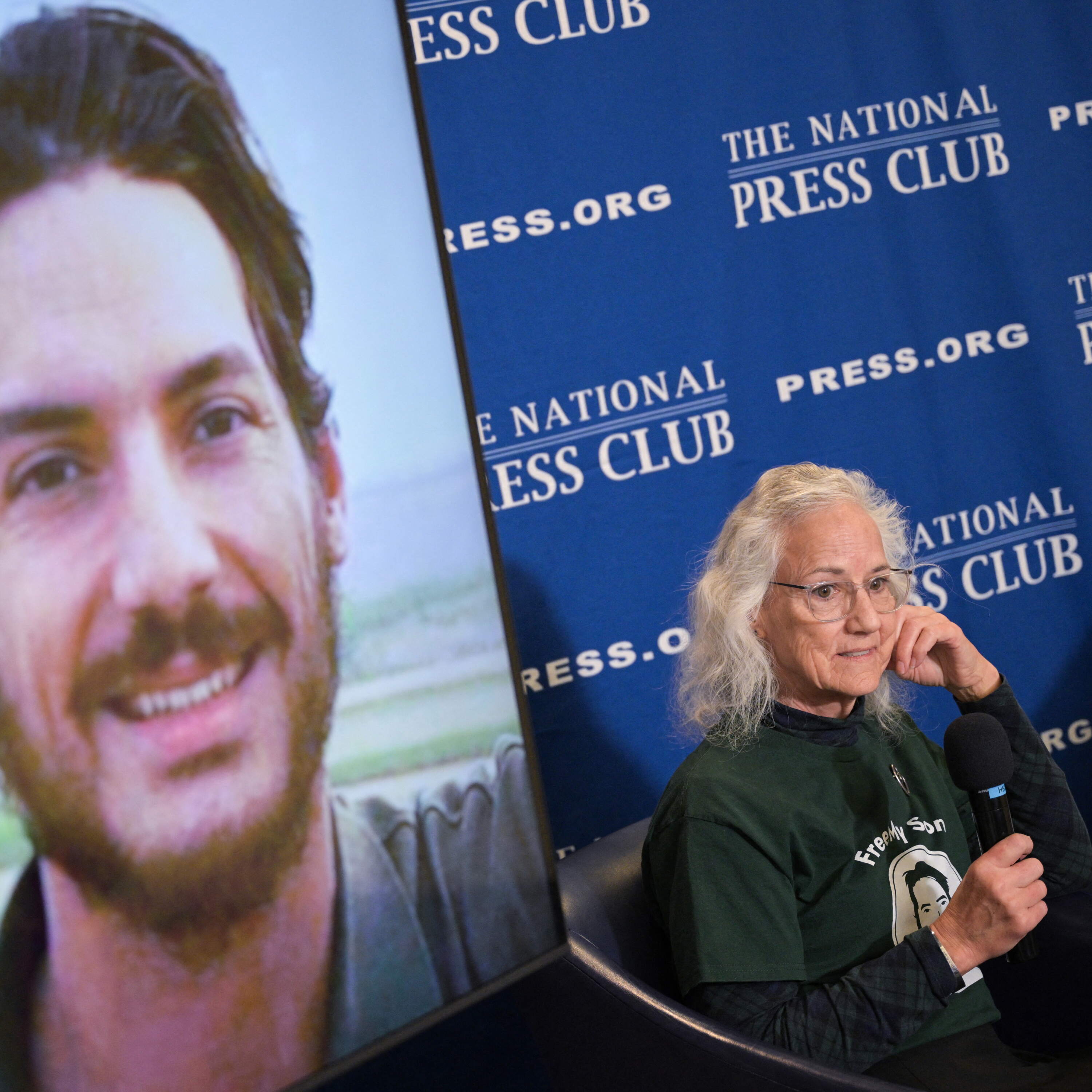
Overview of An American journalist missing in Syria: what happened?
This episode of NPR’s The Sunday Story introduces a new Embedded investigation into the disappearance of American journalist Austin Tice, who vanished in Syria in 2012 and remains one of the most high-profile missing-person cases in modern journalism. The episode follows BBC investigative reporters Josh Baker and Sarah Obadot as they trace Tice’s fate through interviews, intelligence leads, and newly uncovered documents, showing how his case became entangled in Syrian regime secrecy, geopolitical bargaining, and years of family anguish.
What the episode is about
- Austin Tice, a former U.S. Marine and aspiring war correspondent, disappeared in Syria more than a decade ago.
- His mother, Deborah Tice, has spent years publicly campaigning for his release and keeping his name in the public eye.
- The episode centers on an investigation by Josh Baker and Sarah Obadot into what may have happened to him, where he may have been held, and who may know the truth.
Key moments and developments
Deborah Tice’s long campaign
- The story opens at a Washington, D.C. gathering marking another anniversary of Austin’s disappearance.
- Deborah Tice is portrayed as relentless, deeply loved, and emotionally exhausted by years of uncertainty.
- She has met with U.S. leaders, intelligence officials, and media outlets in an effort to keep pressure on the government and maintain public attention.
Austin’s last known contact
- Deborah’s last conversation with Austin was a FaceTime call on his 31st birthday, August 11, 2012.
- Shortly after that, she learned he was missing.
- The episode emphasizes the jarring reality of learning he was missing while his voice was still being broadcast publicly.
A lead from inside the Syrian network
- Baker and Obadot meet a Syrian source, “Salam,” a former Syrian army officer who defected and later built a network tied to the regime.
- Salam claims Austin may still have been alive years after his disappearance and suggests he may have been moved to the Palestine Branch, a feared Syrian intelligence facility.
- The episode stresses that this lead is difficult to verify but is significant because it points to a possible detention site.
The fall of Assad changes everything
- In December 2024, rebel forces unexpectedly topple Bashar al-Assad’s regime.
- The collapse of the regime creates a rare opportunity: intelligence sites and prisons may now be accessible for the first time in years.
- Deborah publicly states she has received vetted information that Austin is alive, though no concrete proof is shown in the episode.
A breakthrough lead
- After entering Syria in the aftermath of the regime’s collapse, Baker receives a purple folder from a trusted source.
- Inside are GPS coordinates for locations where Austin may have been held.
- The episode ends on the possibility that this could be the best opportunity in over a decade to uncover what happened to him.
Main takeaways
- Austin Tice’s case remains unresolved, but the investigation suggests there are people with knowledge of his fate.
- The Syrian regime’s secrecy and brutality are central to understanding why his disappearance has been so hard to solve.
- Deborah Tice’s persistence has kept the case alive in public and political memory.
- The fall of Assad’s government may open new paths to verify where Austin was held and whether he is still alive.
- Hope and uncertainty coexist throughout the episode: some sources suggest he survived for years, but definitive proof is still lacking.
Themes and context
Journalism in conflict zones
- The episode highlights the risks journalists face in war zones, especially under authoritarian regimes.
- Austin is framed not just as a missing American, but as a symbol of the dangers faced by reporters covering Syria’s civil war.
Secrecy, intelligence, and leverage
- The search for Austin is shown as part human story, part intelligence operation.
- His case appears tied to covert state power, detention networks, and possible hostage leverage.
Family endurance
- Deborah Tice’s emotional resilience and determination are a major emotional anchor of the episode.
- The story underscores the long-term toll of ambiguity on families of the missing.
What’s next
- The episode sets up the rest of NPR Embedded’s Where Is Austin Tice? series.
- Baker and Obadot appear to have gained access to new evidence, including possible detention locations.
- The central question remains unanswered, but the investigation suggests the first real chance in years to find credible answers.