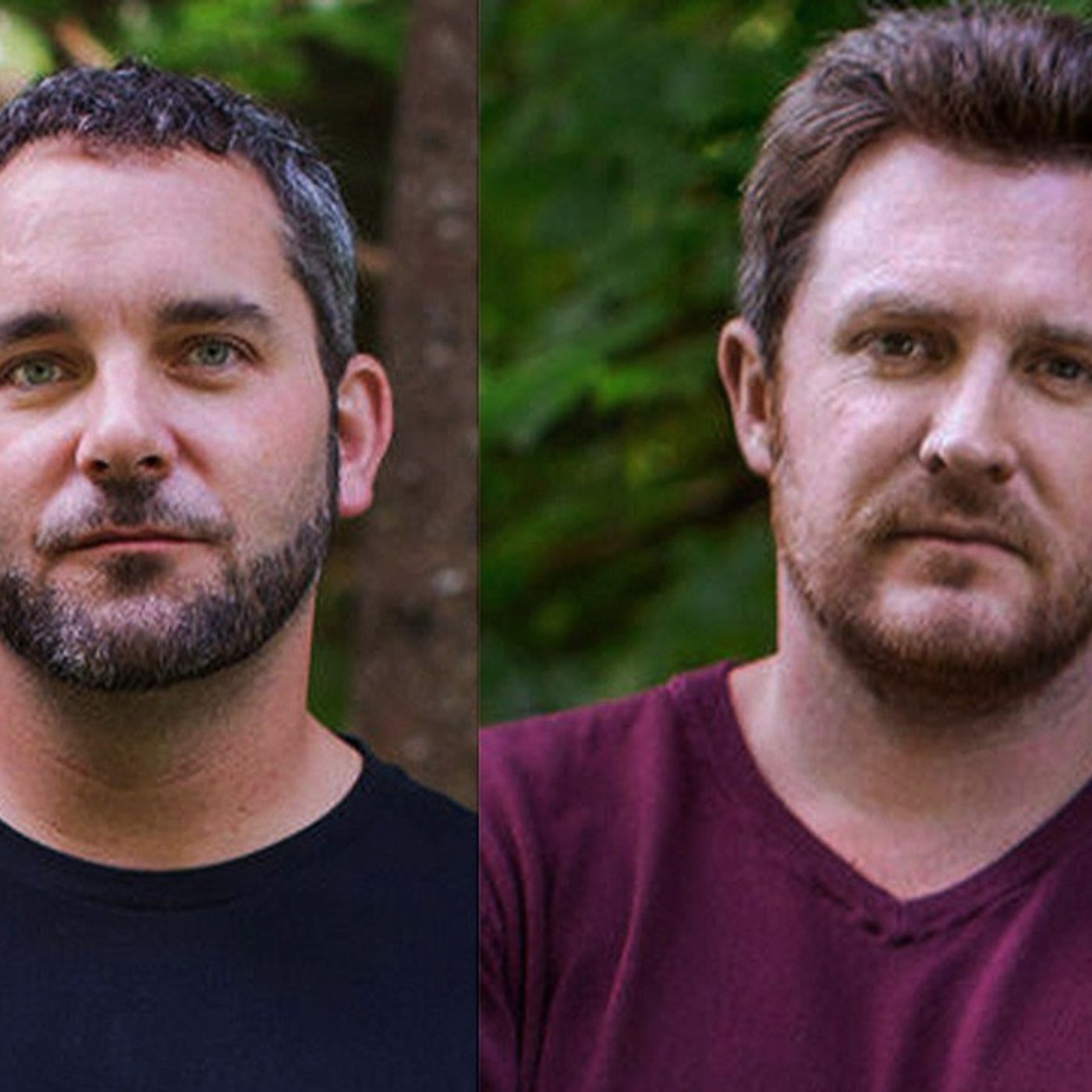
Overview of TJ Weekly — Tim Pilleri & Lance Reenstierna
This episode of Undisclosed Toward Justice features Rabia and Colin interviewing Tim Pilleri and Lance Reenstierna (founders of Crawl Space Media and the long-running Missing podcast). The conversation covers: how they entered true‑crime podcasting, their recent interview with John Hinckley Jr. (author of a memoir), legal/forensic ramifications of the Hinckley/Reagan shooting and the insanity defense, and an extensive update on their long-form coverage of the 2004 disappearance of 17‑year‑old Brianna (Bre) Maitland in Vermont. They also describe the nonprofit Private Investigations for the Missing and how families can get vetted PI help.
Guests & background
- Guests: Tim Pilleri and Lance Reenstierna — co‑founders of Crawl Space Media; producers/hosts of Missing (launched ~2015) and Crawl Space. Long experience covering single‑case, long‑form investigative podcasting (Maura Murray among their signature projects).
- Origins: both had media backgrounds (acting, video production); Missing grew from investigating the Maura Murray case while editing wedding videos and from interest in the online “web sleuth” community.
- Approach lessons: early missteps in not contacting victim families early are acknowledged and used to inform later work (they emphasize building trust with families).
John Hinckley Jr. interview — key takeaways
- Context: Hinckley attempted to assassinate President Reagan in 1981; James Brady was critically injured. Hinckley pleaded not guilty by reason of insanity; the case heavily influenced legal standards and public debate over insanity defenses and related law changes.
- How interview happened: Hinckley authored a book (audio/book campaign); Crawl Space responded to publisher outreach and spoke first among interested outlets; they discussed platforming concerns and decided his incarceration/treatment status made the interview acceptable.
- Surprising revelations:
- Hinckley said he initially planned to attack President Carter, not Reagan.
- He claimed never to have seen The Silence of the Lambs (contrary to some expectations).
- He said at the time he did not think he was insane — the hosts found this confusing and illuminating.
- He believed (then) that the act would secure a life with Jodie Foster — a delusional causal belief.
- Demeanor and post‑release life: described as lucid, reflective, and somewhat sad; he paints (sells cat paintings), makes music on Spotify (performing as “John Hinckley”), wrote the book, and has attempted (unsuccessfully) to book live shows.
- Legal implications discussed:
- Hinckley’s insanity verdict spurred legislative and evidentiary changes (including changes in gun regulation debates).
- Evidence Rule 704(b): experts can’t testify directly about the ultimate issue of a defendant’s mental state (e.g., whether insanity defense is met) — an outcome tied to shifts after Hinckley.
- On James Brady’s death: although later ruled a homicide in some contexts, D.C. applied the old “year-and-a-day” common law rule and did not pursue new charges related to that later death.
Brianna (Bre) Maitland disappearance — case summary & updates
Facts of the disappearance (March 19, 2004):
- Victim: Brianna Maitland, age 17, worked as a dishwasher at the Black Lantern Inn (Vermont).
- Timeline: left work ~11 p.m.; within ~1 mile of work, her large Oldsmobile Cutlass was found backed into an abandoned house (Dutch Burn house), lodged on the house foundation, door open, lights on, personal items (including uncashed work checks) left in car.
- Apparent abduction: evidence suggested she was removed from the vehicle; no confirmed body or conclusive forensic discovery to date.
Investigative problems & leads:
- Delayed investigation: days passed before a full inquiry began; the car was towed and sat in a tow yard before urgent connection to a missing person was made — a critical investigative failure that limited early forensic options.
- DNA lead: DNA tested years later pointed to a person who proved to be innocent — a hoped-for break that didn’t pan out.
- Persons of interest: investigators and private investigators focused on dangerous transient/drug‑related groups and some local individuals; Vermont State Police reportedly ran DNA against ~11 persons of interest.
- Witness update (recent years): two witnesses decades later reported (to a former chief who worked the case) that:
- They passed the Black Lantern, then returned minutes later and saw Brianna’s car seated against the house.
- They saw a hooded man near the car and then were nearly hit by a silver sedan; they briefly chased that sedan but lost it. This account was not reported at the time for reasons the witnesses gave to the investigator; investigators consider it credible enough to mention but it is still a “needle-in-a-haystack” lead.
- Searches and evidence: independent searches have occurred (including at least one report of underwear found by a private investigator, but not a law‑enforcement confirmed find). No confirmed human remains, clothing, or other conclusive evidence recovered.
The hosts’ role:
- Tim & Lance produced ~25 episodes about the Maitland case, worked with the victim’s father (Bruce) and private investigator Greg Overacker, and coordinated with the nonprofit that Bruce founded.
- They have done on‑the‑ground searches and interviews when possible; they sometimes receive information via veteran investigators (e.g., Lou Berry) who acted as case managers bridged to Vermont State Police.
Do investigators have full case files?
- Podcast producers do not have full law enforcement files. The nonprofit sometimes serves as an intermediary for sharing files when cooperation exists. Vermont State Police are small in number and control most official files; cold‑case files are not public.
Private Investigations for the Missing — mission and process
- Founded by Brianna’s father, Bruce Maitland.
- Purpose: help families of cold cases who can’t afford or can’t vet private investigators. They:
- Vet and contract licensed private investigators nationwide.
- Provide a case manager and fund costs so families are not charged retainer fees.
- Take only cold cases where law enforcement is not actively investigating and where cooperation with police is possible.
- Website: investigationsforthemissing.org — accepts anonymous tips and case submissions.
How to contact / tips and resources
- If you have tips about Brianna Maitland:
- Vermont State Police tip text: VTIPS to 274637 (CRIMES) — primary official channel recommended.
- Private Investigations for the Missing: investigationsforthemissing.org (submit anonymous tips / inquiries).
- To contact the guests:
- Tim: Tim@CrawlSpacePodcast.com
- Lance: Lance@CrawlSpacePodcast.com
- To find their work: look for Crawl Space Media shows — Missing and Crawl Space podcasts; also their recent Bennington Triangle series and episodes covering current crime stories.
Notable insights & quotes
- “We were more interested in the culture surrounding Maura’s disappearance” — early ethos: study the community of true‑crime followers as well as the case.
- Interviewers found Hinckley’s retrospective statements confusing and illuminating: he didn’t consider himself insane at the time of the shooting, yet was institutionalized — complicating simple narratives about “insanity” as a legal or psychiatric label.
- Systemic lessons: early scene management matters — the delay in securing Brianna’s car and the initial slow response arguably compromised evidence collection.
Main takeaways & recommendations
- High‑profile historical cases (Hinckley) still shape current law (insanity defenses, expert testimony rules, gun law discourse); first‑person accounts can complicate public assumptions.
- Cold cases often suffer from early investigative delays, jurisdictional resource limits, and lost forensic opportunities; private, vetted investigator resources can help families when law enforcement attention wanes.
- If you have actionable information about an active or cold case: report it to official law enforcement channels first (Vermont State Police for the Maitland case) and consider contacting vetted nonprofit partners who can help coordinate follow‑up.
Episode & production notes
- Tim and Lance continue producing long‑form series (recent: Bennington Triangle) and run two weekly shows (Missing and Crawl Space) with frequent guest experts.
- They accept case suggestions and tips and are open to collaboration with other investigators, reporters, and family members.
If you want to follow up on any of the resources mentioned: text VTIPS → 274637 (Vermont State Police), visit investigationsforthemissing.org, or email Tim and Lance at the Crawl Space addresses above.