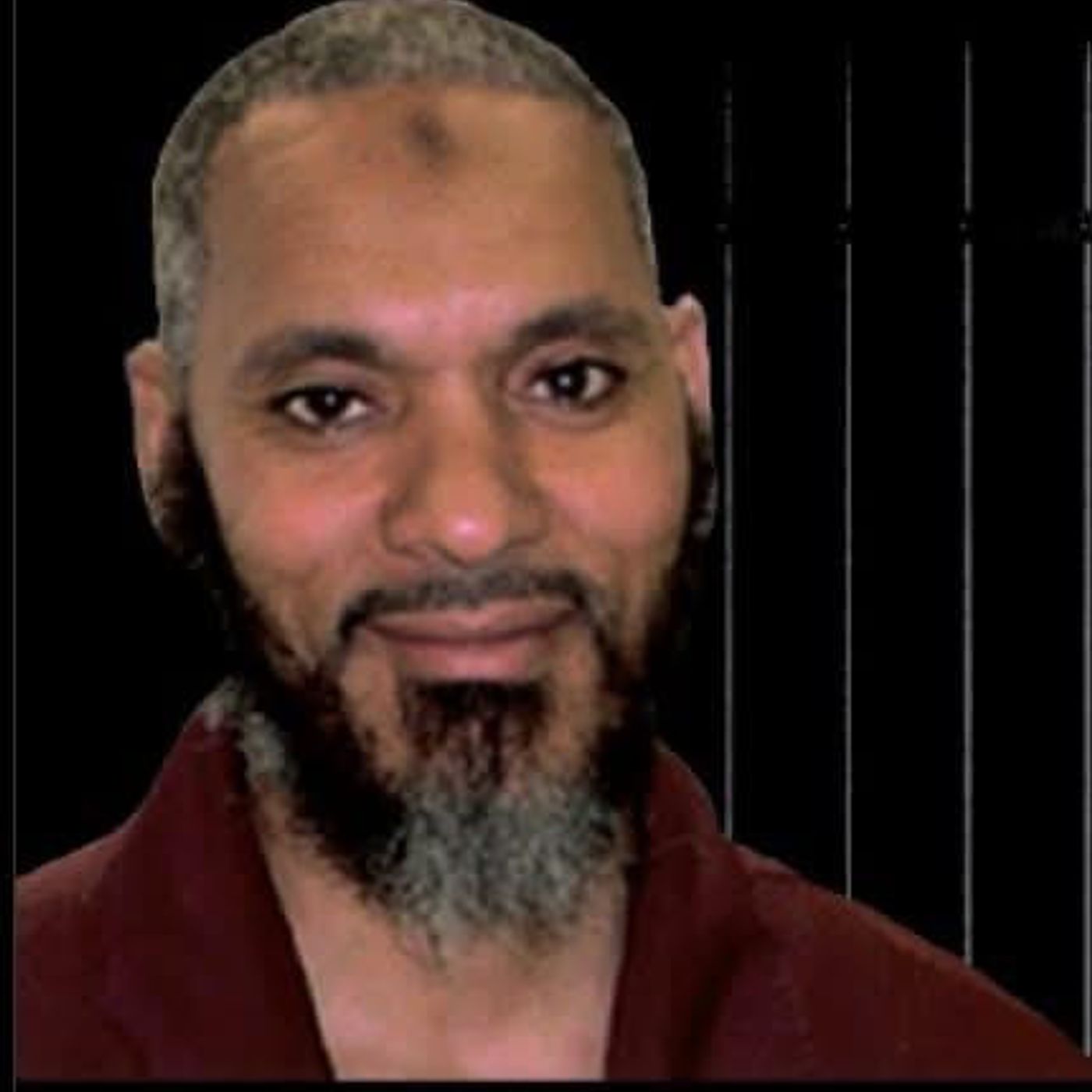
Overview of TJ Weekly — The Case of Carmen Woods
This episode of TJ Weekly (Undisclosed Toward Justice) examines the 1982 Philadelphia wrongful‑conviction case of Carmen Woods, who was sentenced at 19 to life without parole for the murder of 17‑year‑old Chester “Chet” Laws Jr. Dr. Amanda Lewis (investigator/advocate) summarizes the facts, trial failures, newly discovered/hitherto withheld evidence, and the current post‑conviction litigation strategy relying on cumulative disclosure principles (the post‑Glossop approach). The episode highlights systemic problems (tunnel vision, Brady violations, poor defense representation, and limited access to homicide files) and the team’s push to overturn the conviction.
Key facts & short timeline
- Crime: May 16, 1982 — Chester “Chet” Laws Jr. (17) shot and killed on N. Felton St., West Philadelphia (around 2:15 a.m.).
- Defendant: Carmen Woods — 19 at arrest; convicted of first‑degree murder and other counts; sentenced to life without parole plus additional term (death by incarceration).
- Primary trial evidence: the testimony of one eyewitness, Homer Lane. No physical evidence tying Woods to the murder (no weapon, no forensics linking him).
- Prior contact: Laws had allegedly shot Woods six months earlier (November), charges later reduced/dropped; local retaliation narrative influenced investigation.
- Arrest: Woods went to the police with his U.S. Marshal uncle two days after the homicide; never released.
- Post‑trial recantations: Homer Lane recanted repeatedly (first recantation by 1986; recorded recantation on video in 1991). Lane later died; he was the jury’s key witness.
Problems at trial and with the investigation
- Tunnel vision and motive: police and prosecutors focused early on Woods because of prior violence between the victim and Woods; powerful community figure (victim’s father, “Tiger”) reportedly pressured witnesses.
- Sole witness case: Homer Lane’s testimony was the only direct evidence connecting Woods to the killing; Lane made inconsistent statements and later recanted.
- Withheld Brady material and incomplete discovery:
- Witness statements (e.g., neighbors Omar Akram, Brian Ellison, Maxine McLaughlin) that contradict Lane’s timeline and place other people on the block were not provided to defense or the jury at trial.
- A contemporaneous police note from “Mr. Hill” (received ~8 a.m. the day after the homicide) described a dark‑clad man running toward Media Street, entering a white/blue (two‑tone) Cadillac, and included a license plate number — this was not disclosed to Woods’s counsel pretrial.
- Defense counsel issues: Woods’s trial/post‑conviction counsel had documented problems (mismanagement, drinking), was reportedly assaulted (black eye) before trial, and did not meaningfully investigate or review the full homicide files. Some appointed counsel later refused investigative collaboration.
- Alibi witness suppression tactics: Alibi witnesses who placed Woods at clubs that night were discredited at trial after being corralled outside the courtroom and portrayed as conspiring to align testimony; a guestbook/alibi evidence (Paradise Club sign‑in) was never preserved or produced.
New/previously undisclosed evidence uncovered
- Mr. Hill note and license plate:
- Homicide file contained a handwritten note from “Mr. Hill” describing a 1975/76 white & blue Cadillac and a license plate. The note was documented in the homicide file but not previously disclosed to Woods’s defense.
- Handwriting analysis and further investigation tied the plate to a car owned by a Willie Williamson (later found deceased); his son (Reginald Baker / Reginald Williamson) and a girlfriend (Arnell Bowens/Bowens‑Jones) were later stopped by police and questioned.
- Alternate suspect(s):
- Reginald Baker/Williamson (son) was linked to the Cadillac and brought to the station on May 18, 1982; both he and his girlfriend denied involvement in police interviews. They were not polygraphed (notes say polygraph machine in use). Reginald is deceased; no full follow‑up was ever pursued publicly.
- Ballistics: investigators tried to tie a .40 caliber round alleged to be found in a tire (from Homer Lane’s car) to the murder bullet. Experts consulted by Dr. Lewis believe the tire/bullet story is suspect (odd forensics, missing tire/evidence, inconsistent ballistic conclusions). The .40 evidence, if attributed to the Cadillac, was never connected to Woods.
- Polygraph and witness statements: many witnesses were given police interviews and (sometimes) polygraphs; relevant statements that would undercut Lane’s story weren’t disclosed to Woods’s defense.
Legal strategy, procedural posture, and relevance of Glossop
- Post‑conviction strategy: Dr. Lewis and Woods’s current counsel (Todd Moser) are relying on cumulative Brady disclosure doctrine (post‑Glossop v. Oklahoma) arguing that multiple pieces of withheld or newly discovered evidence — when considered together — materially undermine confidence in the verdict.
- Glossop significance: Glossop established that courts must consider the cumulative effect of multiple pieces of undisclosed evidence rather than treat them as isolated, often insufficient, “drips” of disclosure. That allows litigants to revisit previously litigated Brady claims in light of new combined evidence.
- Recent filings and hearings (from the episode):
- A substantive brief was filed (October — per transcript) presenting the combined Brady/unexplored alternate‑suspect theory centering on the Mr. Hill license plate and witness statements.
- The DA sought (and received) extensions; a hearing occurred Jan. 7; another hearing was scheduled for Feb. 4 (transcript date references). The team hopes the DA will either join or not oppose relief, or the court will grant it on the record.
- Possible outcomes:
- Best: DA joins/stipulates to overturn conviction / court grants post‑conviction relief (vacatur).
- Middle: DA declines to join; court hears arguments and may grant relief or order a new trial.
- Adverse/alternative resolution: offer of an Alford plea or limited plea to attempted‑murder count (controversial and arguably unfair given the facts), or litigation that requires appeal.
- Practical issues if released: administrative/custody matters (e.g., historical prison disciplinary/riot charges from 1989) may delay immediate release but likely would be handled as time‑served.
Main takeaways / themes
- This is a classic tunnel‑vision wrongful‑conviction case driven by one eyewitness (Homer Lane), recantation(s), and powerful local pressure (the victim’s father).
- The prosecution had at least one contemporaneous alternate‑suspect lead (the Mr. Hill note / license plate) and witness statements contradicting the state’s central narrative that were not provided to Woods’s defense. Those materials are potentially Brady material when viewed cumulatively.
- Access to homicide files (limited historically) hampered effective post‑conviction work; expanded access under District Attorney Larry Krasner’s policies allowed advocates to find critical, overlooked records.
- Modern post‑conviction law (Glossop) gives a stronger vehicle to litigate cumulative nondisclosures that, on their own, might have been dismissed.
Notable quotes from the episode
- Carmen Woods: “Some believe that I might have been buried in the dirt not to see another daylight ever again. I say I was only planted. And when you plant something with the proper cultivation, it will grow.”
- Carmen Woods: “I am innocent and I can now prove it.”
- Homer Lane (1991 recorded recantation excerpt): “Did you, in fact, witness Mr. Carmen Woods commit this murder? No, I didn’t.” — then explaining peer/community pressure and fear influenced his earlier statements.
How listeners can help / follow the case
- Watch the Princeton/PGI documentary on the case (Princeton’s Prison Justice Initiative produced a film referenced in the episode). The episode will post links on Undisclosed’s social media.
- Visit and share the family/advocacy website and Facebook page for Carmen Woods (the family maintains a site with documents, the Mr. Hill note, and Homer Lane’s video recantation).
- Amplify the case on social media, tag local decision‑makers (e.g., Philadelphia DA’s office) to encourage careful review, and support nonprofit legal/advocacy organizations doing investigative work.
- Consider donating to or supporting the family’s local fundraisers (mentioned on the family site and social channels) if you want to provide financial help.
Next steps to watch
- Upcoming court hearing referenced for Feb. 4 (per episode). The DA’s response and whether they will concede, not oppose, or contest the motion is pivotal.
- Potential outcomes to monitor: stipulation to vacate, judge‑ordered relief/new trial, plea negotiations, or continued litigation/appeals.
- Follow‑up reporting resources: Undisclosed Toward Justice (episode pages and social media), PGI documentary materials, and the family’s website/Facebook for primary documents and updates.
If you want a very short action list: 1) Watch/share the documentary, 2) Read/share the family website materials, 3) Follow Undisclosed’s updates and tag/urge the Philadelphia DA’s office to review the newly discovered material.