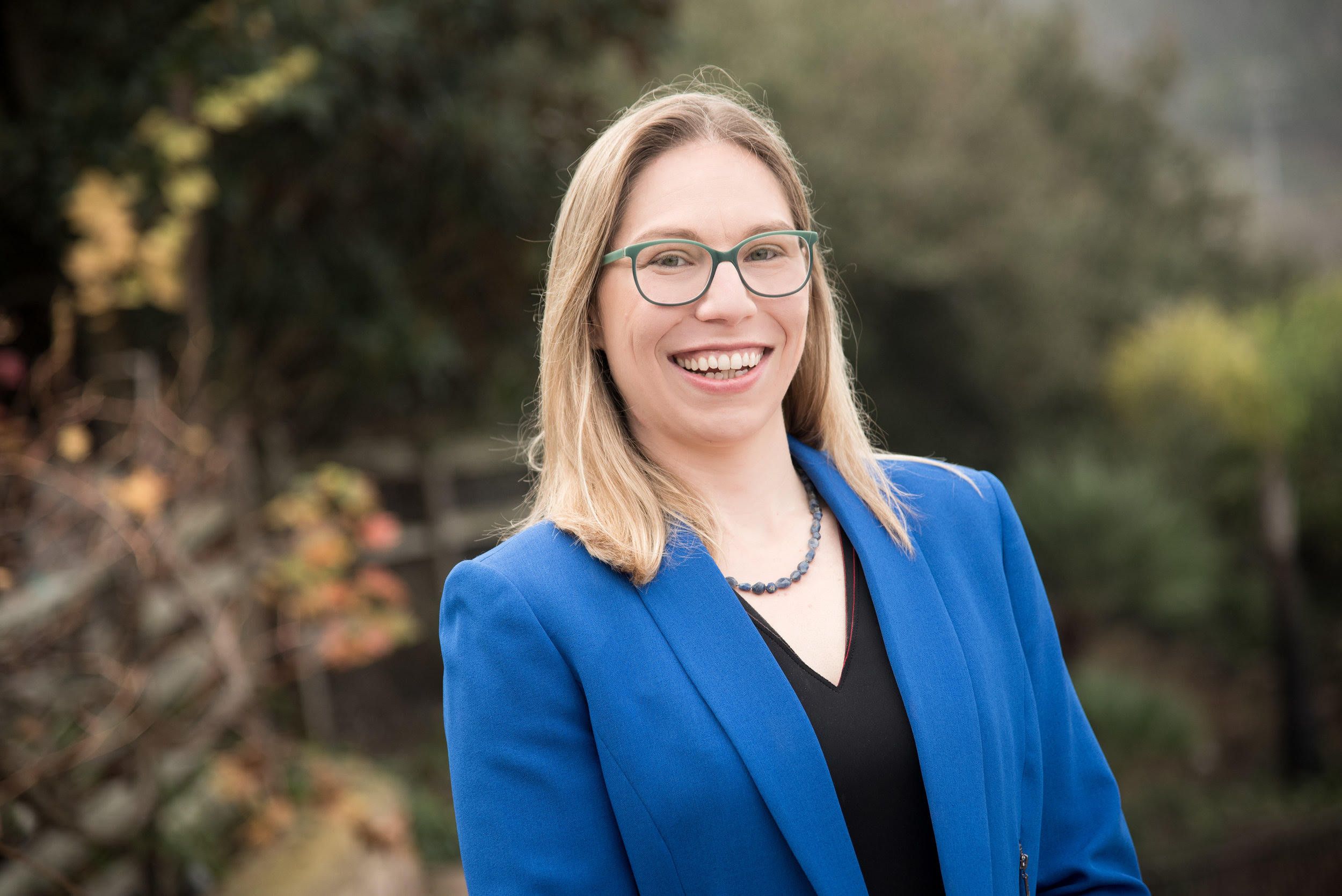
Overview of TJ Weekly - Susan Simpson
This episode of Toward Justice Weekly reunites Undisclosed hosts with Susan Simpson (Proof podcast). They discuss Proof’s current season (a deep dive into the 1988 Kalamazoo, MI cold-case murder of bike-shop owner Earl O’Byrne), how Susan came to the case, major investigative and legal problems uncovered, related Michigan cold-case patterns, and other cases/progress from Susan’s recent work (including Dennis Perry / Eric Spahr and earlier Proof seasons). The conversation highlights systemic issues—problematic cold-case unit practices, unreliable witness “memory boosting,” Brady/disclosure problems, weak trials, and the real human cost (a released man who died days after getting home).
Case background: Earl O’Byrne (Kalamazoo bike-shop murder)
- Victim: Earl O’Byrne, ~80-year-old long-time bike-shop owner, found beaten to death where he slept in his shop.
- Crime scene oddities: locked shop when employees arrived; sequence of witnesses seeing Earl outside late at night with an unidentified blonde man; blood/laceration patterns and movement at the scene that raise questions about the official robbery narrative.
- Initial theory: robbery (cash bags/boxes of coins reported stolen).
- Later discovery: the “stolen” bank bags/coin boxes were actually present in crime-scene photos—mischaracterization that became central evidence against the defendant.
The accused: Scott Baldwin
- Connection: Knew Jeff Titus in prison (Susan’s prior work on Titus linked the teams), had briefly worked for Earl as a teenager.
- Arrest and outcome: Arrested about 13 years after the murder (cold-case reopening). Released via resentencing (not exoneration) in October (shortly before this episode); he died roughly two and a half days after release.
- Why Susan proceeded: Scott wanted the investigation/public record to continue; the case opened into a broader critique of the Kalamazoo cold-case unit and other potentially wrongful convictions.
- Primary evidence against Scott: testimony from ex-girlfriend Stacey (confession claim), alleged possession of bank bags/coins (later shown not stolen), circumstantial bits (e.g., thrown “bloody” stick).
- Important forensic detail: DNA under Earl’s fingernails excludes both Earl and Scott; the sample is too small/low-quality for CODIS/full comparison (recent testing noted, but inconclusive).
Key witness: “Stacey”
- Timeline: Stacey (Scott’s ex-girlfriend at the time) came forward within ~1 year of the murder with a story that Scott returned home bloody and confessed.
- Problems with her testimony:
- Early police dismissed her (she failed a polygraph; investigators judged her less credible).
- Her story changed over time and contained implausible elements.
- Later, the cold-case unit credited her; her mention of coin boxes (thought unique to victim) drew investigators’ attention—yet the bags/boxes were actually visible in photographs.
- Possible explanations: misperception (a Bondo/auto-body filler “stick” looks very blood-like), substance use and mental-health issues, or exaggeration for attention/reward. The podcast treats her testimony as unreliable but central to the prosecution.
Problems with the Kalamazoo cold-case unit (systemic concerns)
- Extremely high trial rate: ~76% of the unit’s murder cases went to trial vs. a 25–30% average—suggests weak cases pushed to jury rather than dismissed/handled by plea offers.
- Common patterns in these prosecutions:
- Witnesses changing stories dramatically years later after “waking a memory.”
- Reliance on jailhouse informants, recanted statements, or similarly weak evidence.
- Prosecutorial practices that appear to shape witness narratives to fit theories.
- A unit culture of confidence/self-assurance (“we know who did it”) that can sideline sober evidentiary critique.
- Detective dynamics: Rich Madison is a recurring figure—forthright and a believer in some convictions (including Scott’s), despite past controversy (he opposed the Titus theory). The unit includes egos and a TV- and publicity-driven mindset.
Evidence, disclosure, and Brady issues
- Anonymous tips: Michigan practice (reported in season) treated anonymous tip materials as non-disclosable—problematic when tips contain potentially exculpatory leads.
- Forensic DNA: DNA under victim’s nails excludes the victim and Scott, but sample quantity/quality limited utility; recent testing (mentioned as 2024) still insufficient for definitive database match.
- Appellate/CIU review: Conviction Review Unit/appeals have looked at some materials but sometimes judged evidence insufficient to overturn convictions—issues of resource limits, evidentiary thresholds, and differing interpretations of what is “enough” to litigate innocence claims.
Trial and defense issues
- Fast jury decisions: Example given of a trial with a 48-minute jury deliberation; prosecutor asked for 15 minutes—suggests juries often find prosecution narratives persuasive despite weak underlying evidence.
- Defense failures: Susan teases discussion of trial counsel breakdowns (to be explored in episode 5)—inadequate defense/strategy contributed to convictions.
- Evidence admissibility problems: Hard to effectively present to juries the point that long-later memory changes are not reliable; prior inconsistent statements aren’t presented in a way that always persuades jurors.
Related cases and Susan’s other work (Proof seasons & Dennis Perry)
- Proof podcast background:
- Season 1: Rome, Georgia — two teenagers convicted after an incident that evidence suggested was accidental (Russian roulette); both eventually exonerated; prosecution folded.
- Season 2: Manteca, California — Jake Silva’s case; recovered missing evidence (murder weapon/clothing) submitted for DNA; testing ordered by the court but delayed for over a year (frustrating process).
- Current season: Kalamazoo cold-case series (Scott Baldwin and the wider cold-case team pattern).
- Dennis Perry update:
- Alternate suspect Eric Spahr arrested after mitochondrial DNA from the suspect’s mother matched hair evidence in glasses at the crime scene.
- Spahr’s mother later found dead with a bag over her head—classified as undetermined; raises concerns and unanswered questions.
- Spahr’s arrest led to a mistrial; retrial is pending. This is a rare example of reinvestigation leading to new charges.
Notable statistics and quotes
- “76% of the cold-case team’s murder cases went to trial” versus national average ~25–30% — highlighted as shocking, indicating systemic prosecutorial risk-taking and potential wrongful convictions.
- “Waking a memory” — the described practice used to elicit or bolster long-later witness recollections; flagged as a dangerous technique that can create false confidence in unreliable memories.
- Susan’s description of Scott’s release: he was resentenced (not exonerated), returned home, and died within days—underscoring tragic human consequences when relief comes too late.
Practical takeaways / implications
- Pattern recognition matters: repeated patterns of late-changing witness testimony, jailhouse informants, and prosecutorial overconfidence merit review of multiple convictions from the same unit.
- Forensic re-testing and careful evidence review can generate new leads (e.g., mitochondrial DNA match in Dennis Perry case), but institutional delay and evidentiary hurdles remain substantial obstacles.
- Disclosure of tips and investigatory files (including anonymous tips that may contain exculpatory information) is vital; local practices that withhold such materials raise Brady concerns.
Where to follow / further listening
- Proof (Susan Simpson): ProofCrimePod.com, Apple, Spotify, and standard podcast platforms.
- Susan Simpson: Instagram (active), occasional presence on Twitter/X and Facebook.
- Undisclosed / Toward Justice: UndisclosedPod.com and social channels (Instagram/Facebook/TikTok/X at Undisclosed Pod). Hosts Rabia and Colin via RabiaSquared2 and EvidenceProf on relevant platforms.
- If you have tips: Proof’s website/contact channels and the podcast strongly encourage submissions—Susan noted incoming leads after airing.
Notable episode features / structure
- The season mixes investigative episodes with sidebar conversations; multiple cases tied together to expose unit-wide problems, not just one individual conviction.
- Susan’s co-hosts (Jacinda and Kevin) bring TV production experience, which shaped the show’s approach to narrative and evidence presentation.
— End of summary —