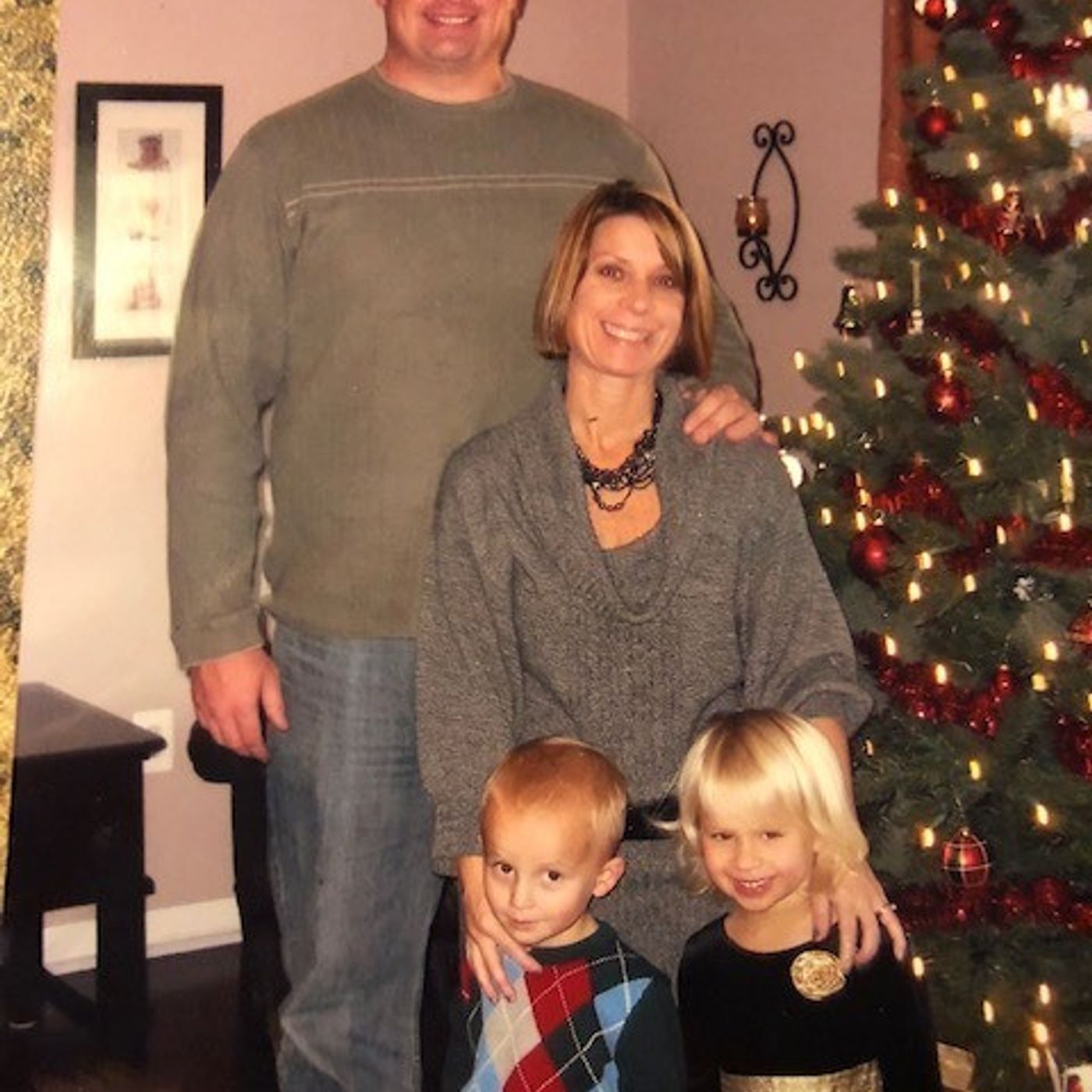
Overview of TJ Weekly — Michelle Healy
This episode of Undisclosed Toward Justice recounts the case of Michelle Healy, a New Jersey babysitter convicted in the death of 14‑month‑old Mason Hess (August 2012). The prosecution relied primarily on the traditional “shaken baby syndrome” (aka abusive head trauma, AHT) triad—retinal hemorrhages, subdural hematoma, and brain swelling. The episode traces the facts of Mason’s illness and death, the trial and expert testimony, subsequent scientific challenges to AHT, and how newer biomechanical evidence and court rulings have destabilized the diagnosis that led to Healy’s conviction.
Key timeline & case facts
- August 27–28, 2012: Michelle Healy babysat 14‑month‑old Mason Hess. Mason previously had a fall at home that left a forehead bruise and, the week before, was diagnosed with ear/respiratory infections and pneumonia.
- August 28, 2012: While eating applesauce at Healy’s home, Mason choked; Healy performed back blows, then Mason went limp. He was medevaced to CHOP and later died.
- Hospital diagnosis: Child Abuse & Neglect team concluded Mason was violently shaken based on the triad: retinal hemorrhages, subdural hematoma, and brain swelling.
- April 2015: Michelle Healy was tried, convicted of aggravated manslaughter and child endangerment, and sentenced to 15 years.
- 2018–2023+: Newer biomechanical research and court rulings questioned the scientific validity of AHT; New Jersey courts eventually deemed AHT testimony unreliable in at least one high‑profile case, reopening debate and relief opportunities for similar convictions.
Evidence and expert testimony at trial
- Prosecution experts:
- Dr. Alex Levin (ophthalmology): emphasized severe retinal hemorrhages; called one photo “iconic” for AHT findings. Admitted on cross that AHT is often a diagnosis of exclusion.
- Dr. Lucy Rourke‑Adams (pediatric neuropathology): testified to spinal/neck injury interpreted as consistent with shaking.
- Defense experts:
- Pathologist John Plunkett: argued absence of expected external signs of abusive shaking (no broken ribs, no fingertip/grab marks).
- Biomechanical engineer Louis Dragonich: had little AHT-specific background and was impeached on cross; relied on discredited studies.
- Michelle Healy testified and reenacted using a doll to show her back blows to dislodge applesauce.
- Verdict: Jury accepted the AHT explanation and convicted Healy.
Scientific developments challenging AHT
- Origin of AHT: Coined from observations in the 1970s (Guthkelch, Caffey) linking the triad to shaking; diagnosis became common though often rested on exclusion.
- Problems identified by researchers and reviews:
- Circularity bias: many cases labeled “abuse” because clinicians rejected caregiver accounts; weak independent validation.
- 2015 research review: Of 476 diagnosed abuse cases across several studies, only a small percentage could be classified as abuse in research reasonably free from circularity.
- SBU (Swedish Agency) systematic review: concluded no high‑quality studies validate the triad as proof of traumatic shaking.
- Biomechanics landmark — Dr. Chris Van Ee (Van E):
- Tested a 22‑lb crash‑test dummy (same weight as Mason) and found that vigorous shaking produced lower head accelerations than relatively short falls.
- Conclusions: shaking alone is unlikely to produce the triad; shortfalls (falls with head impact) produce higher accelerations and are a more plausible cause.
- Van E’s results were published shortly before Healy’s trial; he prepared a draft expert report for her defense but the defense failed to use him at trial.
Post‑trial developments, appeals & broader impact
- Investigative and advocacy work:
- Reporters, scholars, and defense attorneys documented the shaky science behind AHT; Rabia Chaudry and colleagues compiled a 431‑page CRU submission seeking review of Healy’s conviction, heavily citing Van E’s work and many similar wrongful conviction examples.
- New Jersey litigation:
- In a later New Jersey case (Daryl Nieves), the trial judge excluded AHT evidence as scientifically unreliable and “akin to junk science.” The intermediate appellate court and state Supreme Court rulings further limited AHT admissibility in NJ courts.
- National ripple effects:
- The Roberson (Texas) case received national attention; execution stayed in part because of mounting science and legislative interest, citing Van E’s testimony and NJ rulings.
- Media coverage and commentary propose that thousands of caregivers convicted on AHT diagnoses could be affected by the scientific shift.
- Status of Michelle Healy:
- Her conviction stands pending procedural outcomes. The NJ Supreme Court rulings and the CRU work create potential avenues for relief, but prosecutorial resistance and claims of other supporting evidence complicate matters.
Main takeaways and implications
- The classic “triad” (retinal hemorrhages, subdural hematoma, brain swelling) is not a validated, standalone diagnostic fingerprint for violent shaking; alternative explanations (shortfalls, medical illness, birth/pregnancy injuries, seizure disorders) can produce the same findings.
- Biomechanical data (e.g., Van E’s dummy studies) show shaking generates lower accelerations than short falls and often would cause neck injury if shaking were sufficiently forceful—yet many AHT cases lack neck trauma.
- Many prosecutions historically relied on AHT as a diagnosis of exclusion; circular reasoning and lack of independent, reproducible science created wrongful‑conviction risk—disproportionately affecting mothers and primary caregivers.
- Court rulings (notably in New Jersey) are beginning to recognize AHT testimony’s scientific weaknesses, affecting admissibility and reopening avenues for review/relief in affected convictions.
- Practical consequences: increased use of biomechanical experts for defense, greater scrutiny of medical‑forensic testimony, wider adoption of conviction review units, and potential reexamination of past AHT‑based convictions.
Notable quotes (from episode)
- Judge (in Nieves pretrial ruling): “Abusive head trauma has never been medically nor scientifically validated as a diagnosis … akin to junk science.”
- Dr. Van E summary: “Abusive shaking is exceedingly unlikely to produce the traditional triad; shortfalls are far likelier as an explanation.”
- Statistic cited: “75% of women who are wrongfully convicted are convicted of crimes that no one committed” — used to highlight prevalence of misattributed homicide findings in accidental pediatric deaths.
Recommended actions (implicit from episode)
- For defense attorneys and innocence advocates:
- Revisit past AHT‑based convictions using current biomechanical research and multidisciplinary review.
- Use biomechanical experts with peer‑reviewed work (e.g., Van E) rather than generalists.
- For courts and prosecutors:
- Require rigorous Fry/Kumho/Frye (jurisdictional) reliability hearings before admitting AHT testimony.
- Avoid diagnosing causation solely by the triad; demand corroborating physical, circumstantial, or biomechanical evidence.
- For policymakers and forensic institutions:
- Fund independent, high‑quality biomechanical and clinical research on pediatric head injury causation.
- Expand conviction review capabilities and create clear pathways for scientific reappraisal of contested forensic diagnoses.
Related cases mentioned
- Amanda Lewis — previously covered by Undisclosed (parallels in overreliance on AHT).
- Tasha Shelby — case where initial homicide ruling later revised to seizure disorder.
- Robert Roberson — Texas death‑penalty case saved from execution amid AHT controversy.
- Daryl Nieves — NJ case where the judge excluded AHT testimony as unreliable; influenced statewide precedent.
This episode argues that the scientific underpinning of shaken baby syndrome/AHT has eroded, that misuse of the diagnosis has led to wrongful convictions, and that recent biomechanical work and court rulings are forcing a reappraisal that could free or provide relief to many people convicted on now‑questioned evidence.