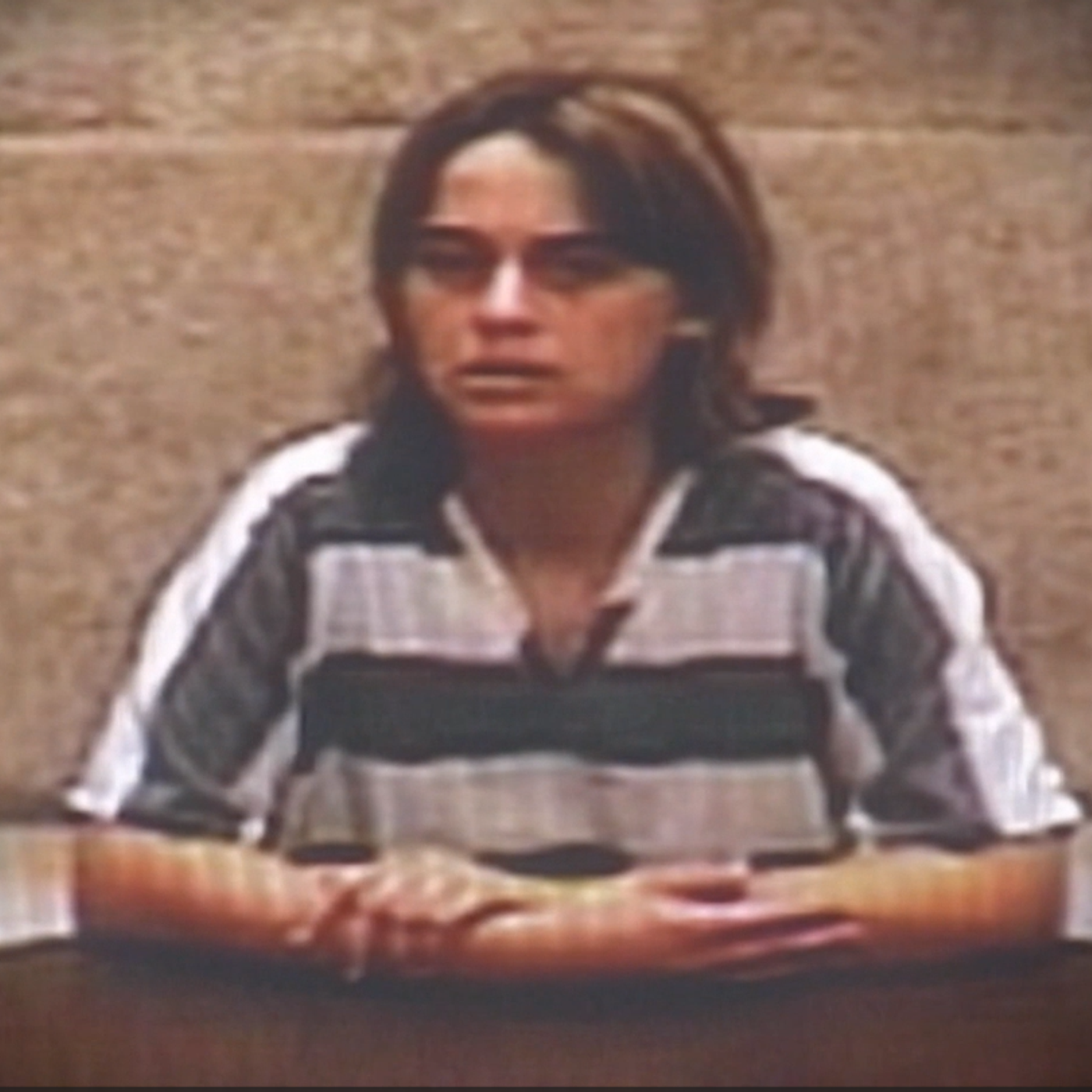
Overview of TJ Weekly — "Amanda Lewis Extras"
This bonus episode of Toward Justice Weekly (Undisclosed) hosts Rabia Jodi and Colin Miller to cover leftover materials, listener questions, and further analysis from their 11-episode deep dive into the 2008 conviction of Amanda Lewis for the drowning death of her 7‑year‑old daughter Adriana. Amanda has been imprisoned ~17 years; an appeal asserting four errors was filed in early November. The hosts revisit unresolved evidence, interview highlights, credibility issues (especially child‑witness handling), evolving science on drowning, media inaccuracies, and practical ways listeners can support Amanda.
Key takeaways
- New/clarifying themes: un-timestampable bloodstains at the pool, contestable child‑witness reliability, media misreporting (notably a disputed "vending machine" quote), and how changing science/procedures could affect cases like this if tried today.
- Forensics: four bloodstains on the southwest pool matched Adriana’s DNA; statistical rarity reported by FDLE (e.g., ~1 in 22 quadrillion for Caucasians), but timing and source of the blood are unknown and it was not at the spot where Adriana was recovered.
- Child‑witness handling was flawed: initial police interview (leading) vs. much more cautious child‑protection interview hours later produced different accounts from AJ. Best practices (interview expertise, clear instruction to say “I don’t know,” non‑leading questions) were not followed consistently.
- Timeline anchoring: an objective cell‑phone call from Amanda to her boyfriend around 2:30 p.m. and other time markers make it physically implausible (according to the hosts) for Amanda to have committed an intentional drowning in the timeframe prosecutors claimed.
- Scientific understanding of drowning has evolved since 2008 (including discussion of reflexive “dry drowning” and reassessments of bruising interpretations), which may change how expert testimony is evaluated today.
- Media and witness memory errors matter: a later statement by Dr. Linda Fox (that Amanda allegedly asked “Where’s the vending machine?” while Adriana was alive) appears unreliable and was widely repeated, affecting public perception.
Evidence & issues discussed
Pool bloodstains and DNA
- Four stains observed on the southwest side of the pool matched Adriana’s DNA.
- FDLE statistics presented at trial showed extremely low random match rates (e.g., ~1 in 22 quadrillion for Caucasians), establishing the stains came from Adriana.
- Limitations: blood cannot be timestamped. The stains were not at the wagon site nor at the spot where Amanda pulled Adriana out; no blood on Amanda or AJ; investigators didn’t determine the time/source. This limits probative value.
Pool layout, wagon, and AJ’s drawing
- Wagon was next to northwest pool; Amanda pulled Adriana from the northeast side. AJ’s therapeutic drawing showed his mom dunking Adriana at the northeast, a possible misinterpretation of rescuing vs. harming.
- The southwest stains are spatially inconsistent with the prosecution’s activity narrative.
Timeline & cell phone anchoring
- Objective phone data: Amanda called boyfriend Alan while inside the trailer at ~2:30 p.m.
- Drowning expert and witness accounts place Adriana in the pool ~2:27–2:28 p.m., making it physically improbable (per hosts) for Amanda to have left, drowned Adriana, staged events, and returned to make the call as alleged by prosecution.
Drowning science (then vs now)
- Modern drowning science undermines simplistic assumptions (e.g., “if water is shallower than you’re tall you can’t drown”).
- Experts discussed reflexive responses (sometimes called “dry drowning”) and how a child who cannot swim can drown in shallow water.
- The medical examiner used by prosecution (Dr. Siebert) did not personally testify at trial; science presented then was less advanced and contested today.
Child‑witness credibility and interviewing
- AJ had two interviews the day of the incident: police interview (leading) and later with a child protection interviewer (less leading) — results differed.
- Best practices highlighted: use child‑interview experts present at initial questioning; give a meaningful oath/affirmation and emphasize that “I don’t know” is acceptable; avoid leading/suggestive questioning; corroborate child testimony when possible.
- The jury system’s assumption that cross‑examination can cure unreliable testimony was questioned—cases like this test whether juries can be relied on to detect contamination or suggestion.
Co‑worker and character evidence
- Prosecutors used two coworkers’ out‑of‑context remarks (e.g., “I could just kill her” written with a marker; comment about not bonding) to suggest neglect/hostility.
- Several other coworkers (Marcy McGrath, Robin Morris, Audrey Powell) told police Amanda was a caring mother; defense did not call them—hosts thought calling them would have helped, though human negativity bias can make single bad incidents stick with jurors.
Media reporting and Dr. Linda Fox
- A later 2020 media interview reported Dr. Fox saying Amanda asked “Where’s the vending machine?” while Adriana was still alive — Amanda disputes this and says it never happened.
- The hosts highlighted the damage of repeated, unverified media claims on public perception and on a defendant’s reputation.
Listener questions addressed (high-level answers)
- Were the pool bloodstains decisive? No — they belonged to Adriana but timing/location uncertainty undermines a definitive link to the drowning event.
- Could “dry drowning” occur here? It’s possible in theory; experts describe reflexive respiratory shut‑down triggered by water in the airway, and children learning to dog‑paddle may be at risk.
- Why didn’t the judge change rulings despite inconsistencies? The hosts describe judicial inertia and finality norms that make judges reluctant to reverse preliminary rulings mid‑trial even when new facts emerge.
- Would this case fare differently today? Possibly—changes include evolving drowning science, different confrontation clause jurisprudence around surrogate experts, and better child‑interview protocols; but human factors (juror attitudes toward a child witness) remain difficult to predict.
- What about AJ today? AJ reportedly stands by his testimony publicly in some outlets but has acknowledged leading/leading questioning in later reflections; he is described as having grown up and now works as a firefighter. Amanda has asked media and others not to contact him.
Notable quotes / insights (highlights)
- “You can’t timestamp blood.” — emphasizes limits of forensic interpretation.
- On child witnesses: “For child witnesses in particular… impress upon the child: this is serious — if you don’t know the answer, say you don’t know.” — recommended best practice.
- On finality: Rabia calls legal finality “a relic” when it preserves convictions that modern science or clearer procedures would cast into doubt.
- On media reporting: repeated unverified statements (like the vending‑machine line) can create lasting, unfair public impressions.
Where the case stands / next steps
- Appeal: An appeal alleging four separate errors was filed (early November). The hosts believe at least one claim (confrontation clause/surrogate medical examiner use) is strong.
- The podcast team plans additional episodes and a forthcoming season; Colin led investigation and scripting for this case; Rabia will lead the next season’s reporting.
How to support Amanda Lewis
- To write: use Securustech inmate messaging portal — securustech.online/#/login — inmate ID Q21185 (use the facility’s portal as instructed; verify details independently if you plan to send mail).
- To donate to commissary / legal support: Venmo handle shared by investigator Kim Hunter: @KRH0311.
- Note: verify payment/contact details through official Toward Justice/Undisclosed channels before sending funds.
Actionable recommendations for jurors, practitioners, and reporters
- Jurors: be skeptical about uncorroborated child testimony and ask whether child‑interview best practices were used.
- Prosecutors/Defenders: always have a child‑interview expert involved when interviewing young witnesses; avoid leading questions; corroborate timeline anchors (phone records, impartial timestamps).
- Judges: reconsider “preliminary” rulings when key witness reliability materially changes during trial.
- Journalists: fact‑check and avoid repeating uncorroborated anecdotes that strongly influence character perceptions.
Closing note
This episode emphasizes how procedural missteps, evolving science, media repetition, and child‑witness vulnerabilities can combine to produce lasting convictions that deserve careful re‑examination. The hosts encourage informed engagement (responsible sharing, supporting legitimate legal/appeal efforts) and note upcoming follow‑up episodes with guests exploring the Amanda Lewis case further.