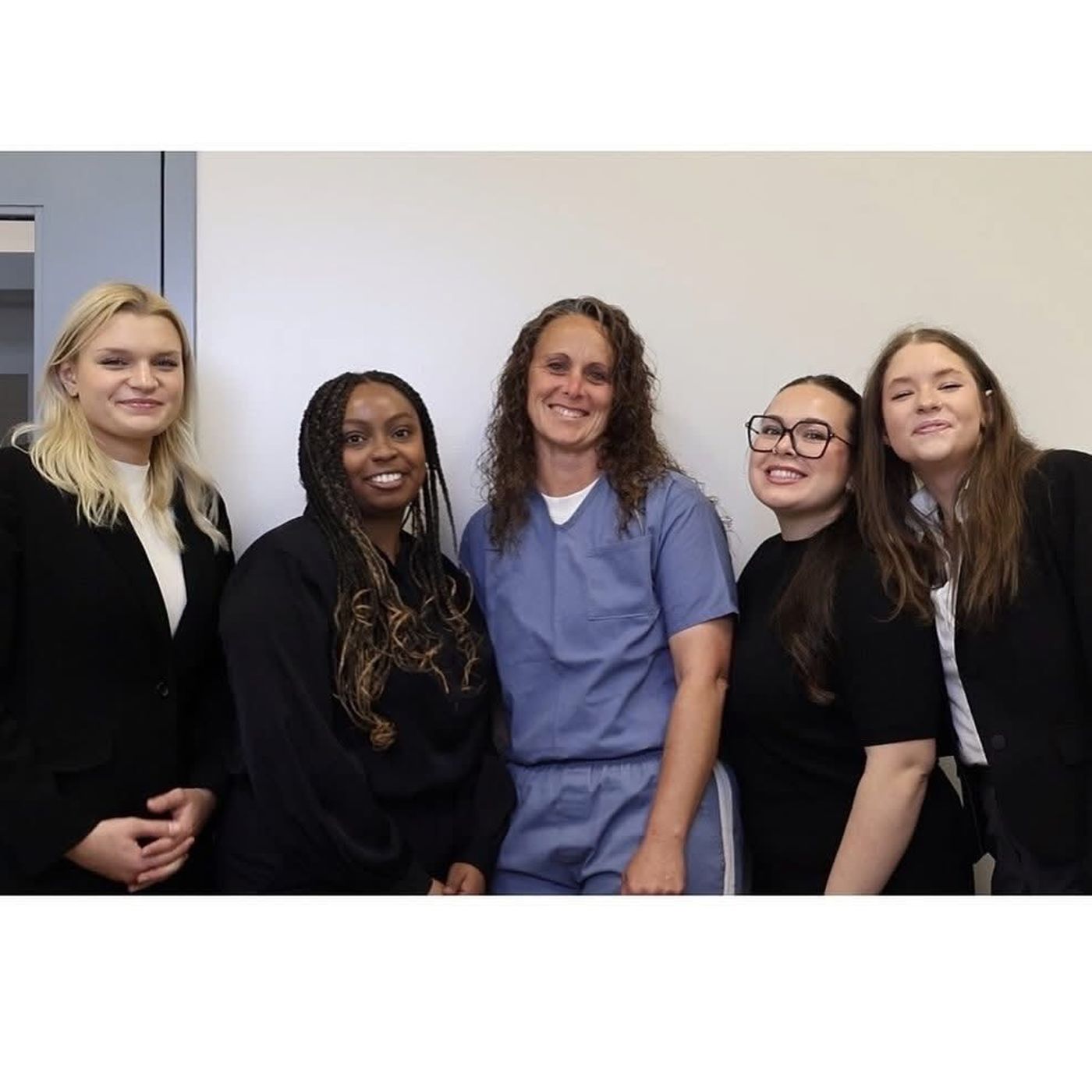
Overview of TJ Weekly - Amanda Lewis & Team
This episode is a special roundtable closing the show's coverage of the Amanda Lewis case. Guests include the incarcerated Amanda Lewis, Dr. Amanda Lewis (Georgetown University / Prison Justice Initiative, who helped bring the case to the MAE program), long-time advocates Kim Hunter and Nicholas (Endley) Hunt, and hosts who have been working the case. The conversation reviews Amanda’s personal experience in prison, the factual and evidentiary issues in her prosecution, the legal strategy (an appeal plus an innocence package to Governor DeSantis), and the grassroots investigation and advocacy that has sustained the effort.
Who appears / roles
- Amanda Lewis — defendant, speaking from prison (shares personal reflections, health updates, hopes).
- Dr. Amanda Lewis — Georgetown academic (criminal-justice/wrongful-conviction focus); re-investigated the case and connected it to Colin/Undisclosed.
- Kim Hunter — independent investigator/advocate; has worked on Amanda’s case for about nine years.
- Nicholas (Endley) Hunt — UK-based crime historian and podcaster who joined the reinvestigation and funded record retrieval.
- Colin, Rabia (Undisclosed hosts) — podcast team that elevated the case and coordinated resources.
- Attorney(s) referenced — Natalie Figures (appeal counsel) and other defense counsel noted historically.
Main topics discussed
- Amanda’s personal life: relationship with her “nani,” how that relationship helped her emotionally in prison and influenced her pursuit of paralegal training; concern for her son.
- Prison education: Amanda is enrolled in a paralegal program, performing well though finding it challenging.
- Specific evidentiary/factual issues in the original case:
- State theory: Adriana Hutto sprayed a glass cleaner (the prosecution emphasized a Glass Plus bottle in evidence, suggesting inhalation/smell triggered events).
- Amanda and the children regularly used Windex historically, but Amanda says she had purchased Glass Plus immediately prior to the incident; no Windex was found at the home.
- The child-witness testimony (AJ) appears coerced and likely describes CPR, not drowning; juror and investigative conduct raised red flags.
- Forensic issues: criticisms of the coroner’s office, issues with the autopsy/medical interpretation (Dr. Siebert and an assistant performing beyond their role).
- Pre-trial police interactions:
- Amanda volunteered for and passed a polygraph after being told by an investigator she would be “left alone” if she passed, but was later arrested regardless.
- Jury selection and trial misconduct concerns:
- A juror was underage (17) at trial and reported overhearing the lead detective making prejudicial comments in public; the juror reported pressure in the jury room.
- Concerns about small six-person jury, community publicity, and change-of-venue denial.
- Legal strategy and status:
- An appeal is being finalized and about to be filed (lawyer Natalie Figures editing the brief at the time of recording).
- Central appellate issues include the juror’s age, the judge’s conduct removing a juror after finding them qualified, failure to notify the defense about juror removal, and juror exposure to extrajudicial slander by a detective.
- Parallel push: assembling an “innocence package” for Governor DeSantis seeking a pardon on the basis of actual innocence or, alternatively, commutation/time-served. Differences explained: a gubernatorial pardon on innocence is final and prevents retrial; commutation/time-served would free Amanda but leaves some legal differences.
- Media/advocacy history:
- Past coverage included segments on 20/20, Piers Morgan, and other true-crime programs. Amanda often cannot view the final products from prison.
- Georgetown students produced a documentary that helped push the case back into public view.
- Persistent grassroots efforts (Kim, Nicholas, Dr. Amanda, Colin/Undisclosed) have collected FOIA materials, trial transcripts, and publicized evidentiary concerns.
Key legal issues (appeal focus)
- Juror age and qualification: juror was actually 17 at trial — immaterial or reversible error depending on law and judge’s handling.
- Judge’s conduct: alleged that Judge Register removed a juror despite finding them qualified, and did so without appropriate defense notice.
- Extrajudicial influence: juror reported overhearing the lead detective making false, prejudicial statements about Amanda in public (grocery store), which could have impacted deliberations.
- Broader argument: procedural errors denied Amanda due process and a fair trial; the appeal seeks reversal and, at minimum, a new trial.
Factual / evidentiary problems highlighted
- Child witness testimony likely tainted by police/forensic coaching; description of actions matches CPR more than drowning.
- Weaknesses and pseudoscience (and possibly overreach) from coroner’s office staff during trial.
- The prosecution’s focus on a cleaning product bottle (Glass Plus) as a “smoking gun” is challenged by Amanda’s account and lack of supporting forensic proof.
- Concerns that investigative practices and community pressure (public comments by detectives) shaped the case improperly.
Status & next steps
- Appeal: counsel was completing edits at the time of recording — likely to be filed imminently.
- Gubernatorial package: team preparing an innocence package for Governor DeSantis in addition to the court appeal (pardon vs commutation discussed).
- Continued public advocacy: outreach, FOIA documents obtained, media work and fundraising (some supporters funded transcripts and records).
Notable quotes
- Amanda on her nani: “She was part of what molded me to be the person I am.”
- About the polygraph: “He told me, if you take this test and you pass it, then we'll leave you alone.” — Amanda (she passed; arrest followed).
- Amanda to her son (closing message): “No matter what happens… I love him and I am so, so very proud of him… nothing about it is his fault.”
- Dr. Amanda on juror pressure: juror “felt some pressure in the jury room” and later disclosed overhearing the lead detective making slanderous comments publicly.
How the case came back into focus
- Dr. Amanda Lewis (Georgetown) re-investigated, involved the MAE student documentary.
- Nicholas (UK) and Kim persisted with FOIA/transcript collection and fundraising for records.
- Colin/Undisclosed amplified the investigation publicly, connecting resources and counsel.
Takeaways
- The episode centers less on re-litigating guilt/innocence in public and more on procedural and evidentiary failings that may have deprived Amanda of a fair trial.
- The appeal is focused on juror misconduct/qualification and judicial error, not new physical-evidence innocence proofs (although advocates stress many factual problems).
- Advocacy, cross-disciplinary collaboration (academics, independent investigators, podcasters), and sustained persistence have driven the current legal push — a model the guests say is essential in wrongful-conviction work.
- Amanda is actively preparing (education/paralegal training), emotionally focused on her children, and hopeful about legal outcomes.
How supporters / listeners were positioned to help (implied)
- Follow public updates from the team (Undisclosed, MAE project, advocates).
- Share materials to raise awareness and press for review (public/political pressure can supplement legal avenues).
- Support legal and record-retrieval costs (advocates noted personal financial contributions covered key transcripts/FOIA work).
This summary captures the episode’s core: a blend of first-person testimony from Amanda, legal strategy around an impending appeal and executive clemency options, and recognition of years-long grassroots investigation that brought the case back to the legal and public arena.