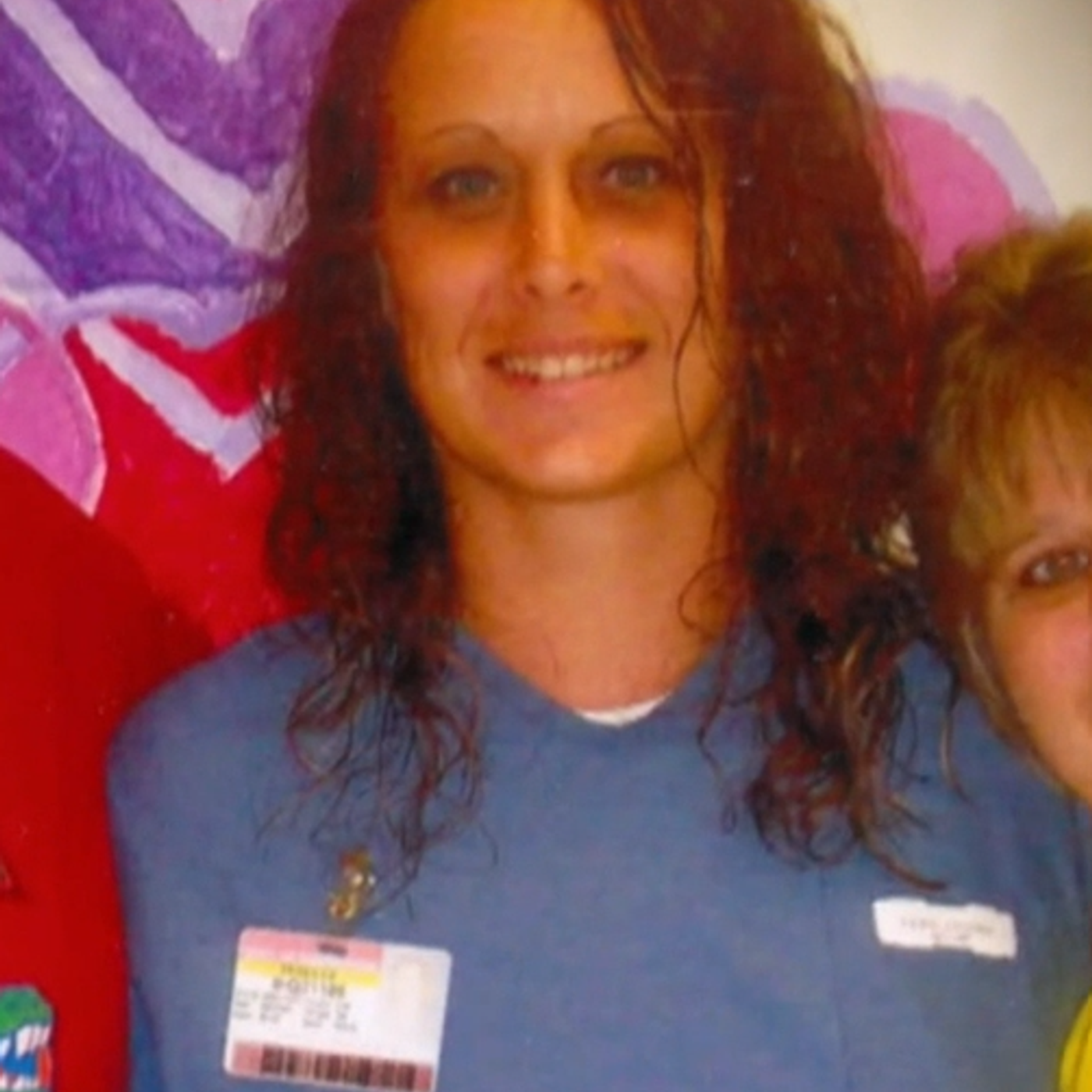
Overview of S7, The State v. Amanda Lewis — Episode 11: "Edge of Seventeen"
This episode closes Undisclosed’s deep dive into the Amanda Lewis case and focuses on the trial‑level and post‑conviction problems that may support overturning Amanda’s 2008 murder conviction. Rabia Chaudhry and Colin Miller trace jury selection and trial irregularities (including a secret juror swap and a likely underage juror), problematic pretrial publicity and investigatory statements, weaknesses in the evidence (especially around child testimony), and recent reinvestigation and appellate efforts led by innocence advocates and new counsel.
Key developments covered in the episode
- Amanda Lewis was convicted of murdering her 7‑year‑old daughter Adriana in 2008 and sentenced to life without parole. She refused a plea for involuntary manslaughter (10 years).
- She chose a six‑person jury (thus removing the death penalty option); the trial lasted four days and the jury returned a guilty verdict in under two hours.
- Several trial and post‑trial errors were identified that may be appealable and could warrant reversal:
- A clandestine juror status swap by Judge Register (alternate juror Jessica Davison became a presiding juror late in trial; Juror Raymond Anderson was shifted to alternate status).
- The swap occurred in a conference from which Amanda was excluded — raising the defendant’s right‑to‑be‑present issue.
- Juror Jessica Davison appears to have been only 17 years old at trial, and Florida requires jurors to be 18.
- Davison overheard the lead investigator, Michael Raley, telling a deputy in a supermarket that Amanda was a drug addict who "should never have had kids" — a prejudicial statement that was never disclosed to the defense.
- Grand jury/press/investigative misstatements (Sheriff Dennis Lee’s press statement and AP coverage) inaccurately stated that officers/EMTs found Adriana floating in the pool, creating a false narrative that Amanda did not attempt rescue.
- Questions about the reliability of the key witness — Amanda’s son AJ — including the likelihood that poor/leading interviews could have implanted or distorted memory.
- New advocacy and reinvestigation: Georgetown’s Prisons & Justice Initiative (including Dr. Amanda Lewis), a student documentary, and attorney Natalie Figures have taken an interest in the case and are pursuing an appeal/conviction review.
Jury selection and trial errors (detailed)
- Small‑town venire: Many prospective jurors had pretrial knowledge via family in law enforcement, church conversations, or newspapers. Several who admitted forming impressions were nonetheless allowed to serve.
- Specific jurors of concern:
- James Locke: read news reports (may have absorbed false narrative that police pulled Adriana from pool); later publicly said he "believed the boy" (AJ) and assumed Amanda didn’t try to save Adriana. Locke had a prior criminal charge (convicted of misdemeanor battery).
- Eugene Swilley: admitted to discussing the case at church; selected as a juror.
- Jerry Lynn Paul & Kimberly Swanson: the only jurors who wanted to take notes; both failed to appear for day two and were replaced by alternates — Amanda believes their absence materially harmed her defense.
- Raymond Anderson: alternate who became a presiding juror after the note‑taking jurors were replaced; told the court his family connection might link him (via his daughter‑in‑law) to Amanda’s boyfriend’s cousin.
- Jessica Davison: the alternate who replaced Anderson as a presiding juror just before deliberations — allegedly 17 at the time and therefore ineligible under Florida law.
- Procedural irregularity: Judge Register handled the Anderson/Davison swap secretly, had Amanda excluded from the critical conference, and later failed to inform Amanda (or secure any waiver/cure). He also expressly found Anderson qualified to serve — making the removal problematic as a matter of law.
- Concealment/housekeeping: judge instructed staff to have jurors write names on lunch orders so juror replacements/changes wouldn’t be known — an unusual step taken to avoid "an issue in the jury room" but which raises transparency and fairness concerns.
Problems with pretrial publicity, investigatory statements, and evidence
- False media narrative: Sheriff Dennis Lee’s press statement (and repeated AP/local reporting) said officers/EMTs found Adriana in an above‑ground pool — implying Amanda left her floating. That false image could have infected jurors’ impressions.
- Lead investigator Michael Raley:
- Central figure: took photos, authored the investigative report, participated in AJ’s interrogation, requested the arrest warrant, and testified multiple times.
- Allegation: Davison overheard Raley at a supermarket saying Amanda "should never have had kids" and calling her a drug addict. That comment is highly prejudicial and would likely be a for‑cause strike if disclosed.
- Medical/forensic issues: The episode reiterates contested forensic claims testified about by investigators/medical staff (e.g., handprint interpretation, trauma). The transcript suggests the prosecution relied heavily on AJ’s account and law enforcement framing rather than conclusive physical evidence.
- Child witness reliability: AJ’s testimony is central but problematic:
- Multiple interviews with leading questions and lacking trained child‑interview protections.
- AJ himself reportedly could not recall certain preliminary interviews and admits poor memory for specific events; experts warn that leading questioning can create lasting false memories.
- AJ stands by his trial testimony, but his statements are complicated by interrogation practices and later adoption/separation from mother.
Post‑conviction developments, reinvestigation & advocates
- Georgetown Prisons & Justice Initiative — students and Dr. Amanda Lewis (a criminologist) produced a documentary and contacted AJ (with his permission) to better understand his view.
- Team Amanda (including the hosts and external attorneys) declined to facilitate press contacting AJ when Amanda objected.
- Reporter Greg Woodfield (Daily Mail) contacted AJ and published a story presented as a hit piece, quoting AJ saying Amanda is "100% guilty" without presenting the nuance (e.g., memory issues, leading interviews).
- Natalie Figures — an attorney experienced in wrongful convictions — agreed to take on Amanda’s appeal pro bono; combined with discovery of trial transcript irregularities, this led to filing new appellate claims.
- The hosts and legal team identified four probable appealable errors: (1) improper juror removal/swap; (2) defendant excluded from critical jury conference; (3) use of an underage juror; (4) juror exposure to prejudicial statements by the lead investigator.
Amanda Lewis today — human impact
- Amanda has served 17 years and continues to maintain her innocence; she passed polygraph tests post‑incident and consistently denied dunking Adriana.
- While incarcerated she pursued paralegal training and helps other inmates with legal work.
- She has not seen her son AJ in many years; unbeknownst to her, he was later adopted by another family.
- Amanda faces health anxieties (possible breast cancer screening concerns) and the ongoing psychological toll of wrongful conviction.
- If released she plans to finish her paralegal education and work to help women similarly impacted by the criminal justice system.
Notable quotes / soundbites
- Episode theme tie: Rabia connects the Stevie Nicks song "Edge of Seventeen" — themes of a Florida accent misheard, loss, and 17 years — to Amanda’s 17 years imprisoned and a 17‑year‑old juror.
- Juror James Locke (to Aphrodite Jones): "I listened… I believed the boy. I really did." — illustrating how jurors can give decisive weight to a child witness despite other issues.
- Amanda on plea offers: "I refused it… I'm not going to admit to something I didn't do."
- Amanda on her son AJ: "I love him. And no matter what, I will always love him. And in no way do I blame him for what's happened."
- Amanda on new counsel Natalie Figures: described as "a pit bull in a chihuahua body" — admiration for the attorney’s tenacity.
Takeaways & legal implications
- Multiple fundamental errors at trial implicate constitutional rights:
- Right to an impartial jury and to be present at critical stages of trial.
- Jury composition errors (ineligible juror due to age) are potentially reversible errors, though Florida law requires a showing of prejudice.
- Juror exposure to prejudicial extra‑record statements by the lead investigator (if undisclosed) undermines fairness and can be a basis for a new trial.
- Child witness testimony requires careful scrutiny — particularly where interview technique, suggestive questioning, or memory contamination are documented.
- Small‑town venires increase risk of pretrial knowledge and bias; effective voir dire and for‑cause strikes are critical.
- Media/investigator misstatements can shape the narrative in ways that are hard to undo at trial.
Actions taken / next steps described in the episode
- Georgetown students and Dr. Amanda Lewis produced a documentary; Team Amanda continued investigation.
- New counsel (Natalie Figures and Team Amanda) moved to file appellate claims based on the identified trial errors — as of episode release, appeals were likely pending or recently filed.
- Undisclosed will follow up with bonus/follow‑up episodes and continue to focus in future seasons on wrongful convictions of women.
Recommended items for readers/listeners (implicit calls to action)
- If you want updates: follow Undisclosed on social media (Undisclosed Podcast) and the revamped website UndisclosedPod.com.
- For those interested in wrongful convictions: consider supporting investigative/innocence work (Patreon for the show and local conviction integrity/unit efforts).
- Legal advocates: document and preserve voir dire transcripts, media statements, investigator public comments, and any jury communications — these can be central to post‑conviction petitions.
This episode documents a web of procedural and evidentiary problems that together present multiple plausible grounds for relief. The hosts close the season with cautious optimism: four concrete appellate issues have been identified and new counsel has taken the case, offering Amanda her strongest hope for reversal in 17 years.