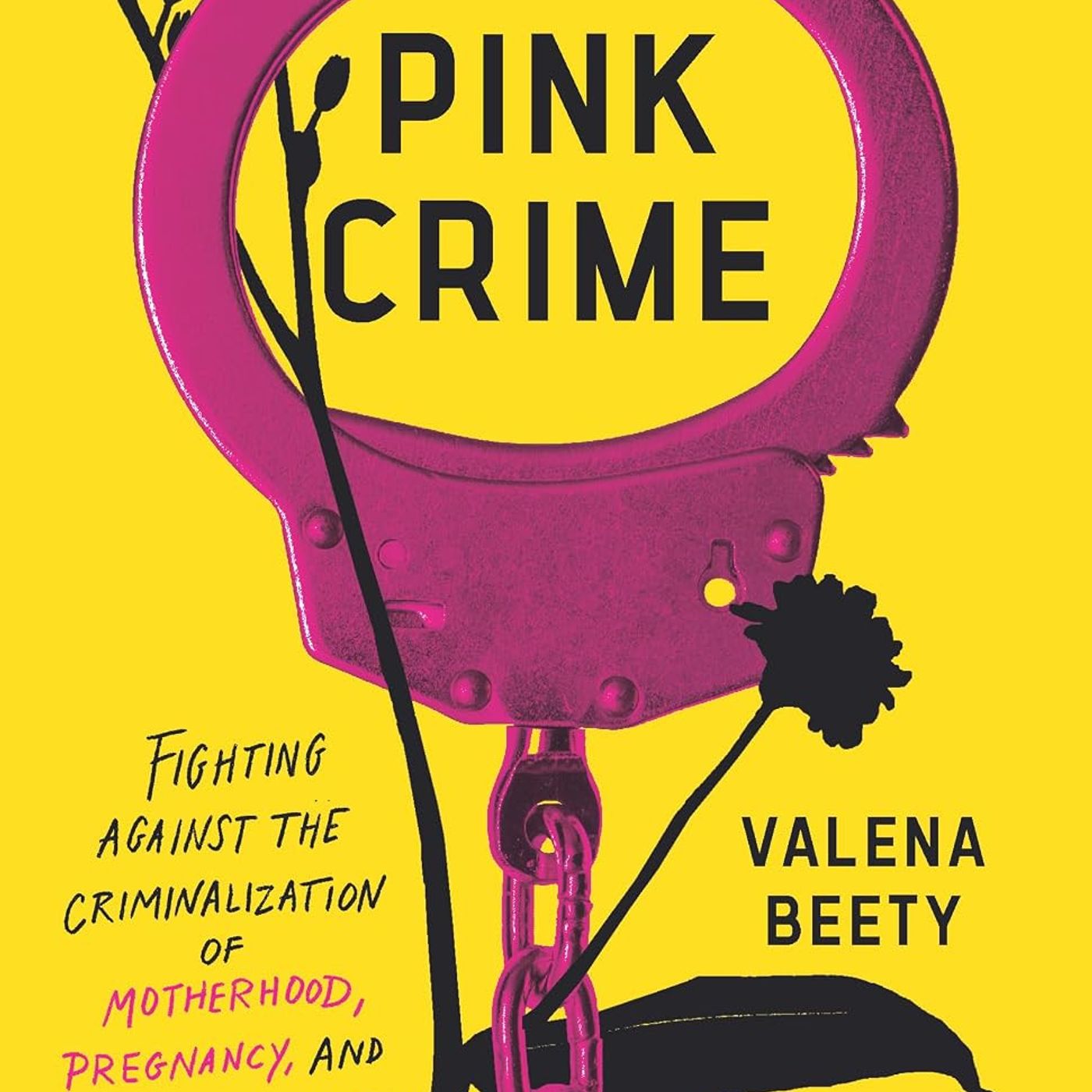
Overview of Undisclosed with Valena Beety
This episode features an interview with Professor Valena Beety about her book Pink Crime: Fighting Against the Criminalization of Motherhood, Pregnancy, and Queer Identity. The conversation explores how prosecutors, police, and courts often turn pregnancy outcomes, gender expression, and queer identity into criminal suspicion — especially in cases involving miscarriage, stillbirth, alleged child abuse, and “junk science” evidence. Beety argues that many of these cases are not really about crime at all, but about punishing women, femme-presenting people, and queer families for existing outside rigid social norms.
Core Themes
Criminalizing pregnancy and motherhood
- Beety explains how women can be investigated or charged after:
- miscarriages
- stillbirths
- difficult births
- child accidents interpreted as abuse
- She emphasizes that many of these outcomes are tragic medical events, not crimes.
- A major theme of the book is that the legal system often assumes maternal blame first and asks questions later.
Queer identity as a prosecution hook
- Beety argues that queer and trans people are disproportionately vulnerable to being framed as sexually deviant, dangerous, or unfit parents/caregivers.
- She describes how prosecutors may use identity itself as “evidence” of intent or wrongdoing, even when no real link exists.
Junk science in criminal cases
- The interview highlights the persistence of unreliable forensic methods, including:
- the floating lung test
- bite mark evidence
- shaken baby syndrome claims
- outdated arson science
- Beety warns that these tools can create wrongful convictions where no crime actually occurred.
Cases and Examples Discussed
Patience Frazier (Nevada)
- Frazier miscarried while in a vulnerable financial and geographic situation.
- Police used her social media activity and her own confusion/guilt after the loss to pressure her into confessing.
- She eventually pled guilty and was sentenced, later having her conviction reversed and receiving state compensation.
Tasha Shelby
- Beety continues to represent Shelby, who remains incarcerated in Mississippi.
- Her case involved allegations of shaken baby syndrome after her stepson died following a tragic collapse and seizure.
- The original forensic pathologist later retracted the homicide finding and changed the death certificate to accidental/natural causes, but the conviction still stands.
Rose Berline Tureen
- A 19-year-old Black Haitian queer woman in Maryland.
- She took diaper-rash photos at a daycare job to show her supervisor, but prosecutors claimed the photos were taken for sexual gratification and charged her with child pornography.
- Beety argues the prosecution’s theory relied heavily on queer stereotypes.
- Tureen’s case is headed to post-conviction relief proceedings and needs public attention.
Melissa Lucio
- Cited as an example of collaboration between police, doctors, and social workers.
- Beety describes how medical findings can be used to pressure vulnerable parents into false confessions and build abuse narratives.
Lindsay Clancy
- The conversation shifts to postpartum psychosis and whether criminalization is the right response to severe maternal mental health crises.
- Beety notes the case has pushed more people to think about the need for care, not punishment.
Beety’s family history
- Beety shares a personal family story about her great-grandmother, who was labeled insane after childbirth and involuntarily committed.
- The story shaped her thinking about how postpartum mental health has historically been used to remove mothers from their children.
Major Takeaways
1. Many of these prosecutions are “no crime” cases
- The state often reinterprets a tragedy as a crime.
- In many instances, no criminal act occurred at all.
2. Identity and bias drive charging decisions
- Prosecutors may lean on stereotypes about:
- “bad mothers”
- queer women
- trans people
- women who do not conform to expectations
- These assumptions can become the backbone of a case.
3. DNA is not the only path to justice
- Beety criticizes the legal system’s overreliance on DNA as the only credible innocence evidence.
- Many wrongful convictions, especially in pink crime cases, do not involve DNA at all.
4. Expert self-regulation matters
- She calls for forensic disciplines and medical organizations to police themselves more aggressively.
- The National Association of Medical Examiners, for example, has warned against the floating lung test.
5. Prosecutorial discretion is huge
- Local prosecutors decide whether to charge miscarriage cases, gender-expression cases, and many of these identity-based prosecutions.
- Elections and public pressure can shape whether these cases are brought at all.
Reform Ideas and Practical Recommendations
Within the system
- Require full and equal disclosure of forensic evidence to defense and prosecution.
- Push crime labs to share science transparently.
- Use conviction review units to revisit cases involving bias, false evidence, or misconduct.
Outside the system
- Vote in local prosecutor elections.
- Publicly pressure prosecutors not to prioritize pregnancy and identity-based prosecutions.
- Support people currently facing these charges and amplify their cases.
For vulnerable people
- Beety advises keeping personal information private when possible, especially digital data that could be turned over to police.
- She notes that period trackers, text messages, and medical records may become evidence.
- She says private doctors are often more protective of patients than state hospitals.
Book and Further Action
- Book: Pink Crime: Fighting Against the Criminalization of Motherhood, Pregnancy, and Queer Identity
- Publisher: The New Press
- Website:
valinabeety.com - Beety encourages readers to check the final chapter of the book, which focuses on activism and concrete ways to help.
Bottom Line
This episode argues that the criminal legal system routinely punishes pregnancy, motherhood, and queer identity through biased investigations and unreliable science. Beety’s core message is that many of these cases are not about actual crimes — they are about surveillance, stereotype, and control.