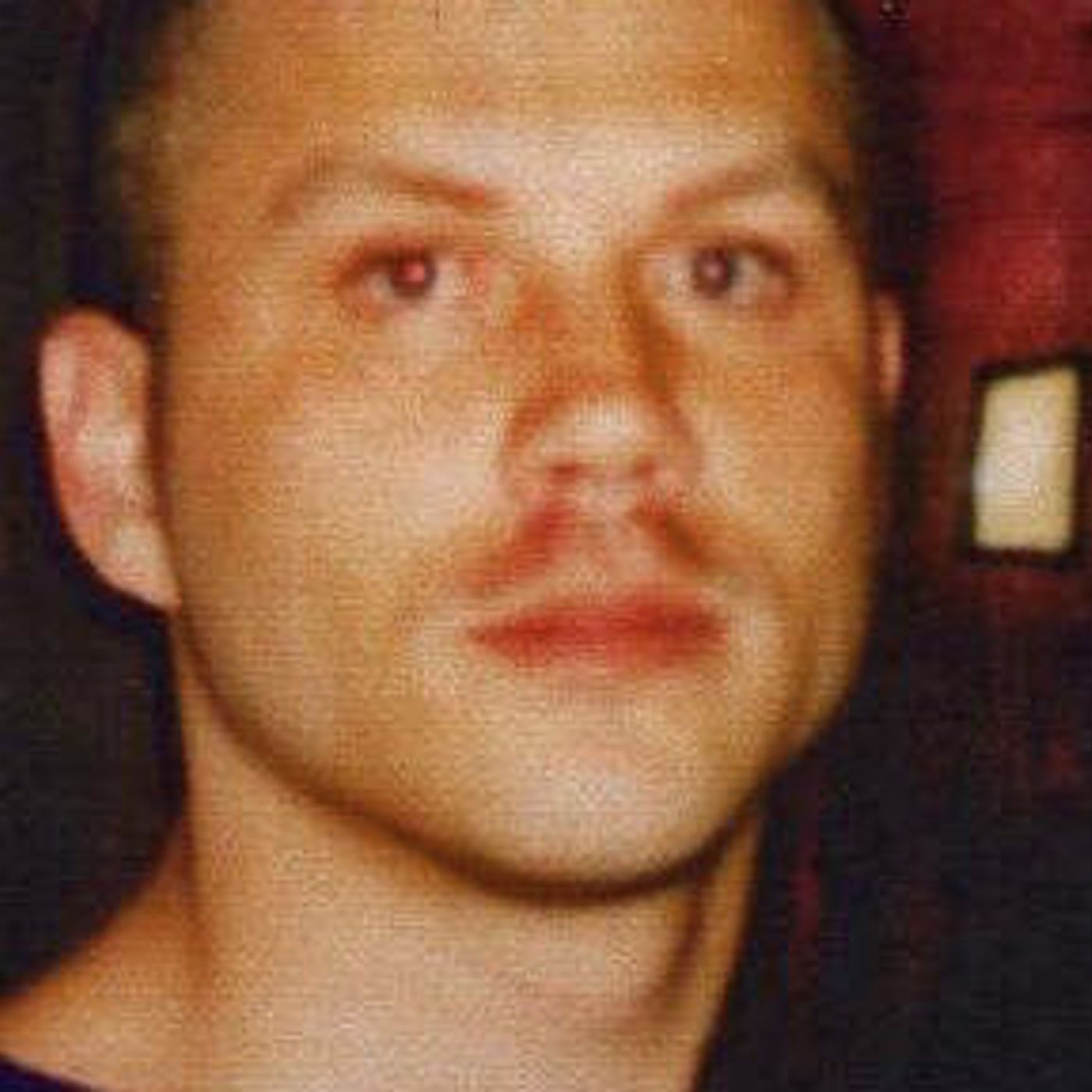
Overview of TJ Weekly — Undisclosed Toward Justice (Tyrone Noling)
This episode features attorneys Eamon Joyce and Brian Howe (working with the Innocence Project and Noling’s defense) explaining the decades‑long case of Tyrone Noling, who was convicted and sentenced to death for the 1990 murders of Bernard and Cora Hardig in rural Portage County/Atwater, Ohio. The discussion summarizes the original investigation, alleged prosecutorial and investigative misconduct, withheld/exculpatory evidence, post‑conviction litigation, alternate suspects and untested physical evidence, current procedural posture, and ways listeners can help.
Case facts & timeline
- Crime: 1990 — elderly couple Bernard and Cora Hardig shot multiple times (reportedly 10) with a small‑caliber pistol (.25 caliber) in a very small rural town in Portage County, Ohio.
- Initial investigation: local sheriff’s detectives led early inquiry; subsequent transfer/assumption of the investigation by the county prosecutor (unusual at the time).
- Early suspects and leads that were not fully pursued:
- Dennis Van Steenberg — reported missing .25 pistol at a roller rink; turned over a substituted .25 to police (later documented in the sheriff’s file but not disclosed to defense).
- A foster‑home youth reported a confession by his brother; police did not follow up with the student.
- An insurance salesman (last person to speak to the Hardigs) reportedly had a compatible caliber, refused polygraph/legal cooperation.
- Dan Wilson — later arrested/convicted for a very violent murder in Ashtabula County; (per later records) reportedly confessed to a foster brother about the Hardig murders and matched some serology notes; later executed for the other murder.
- Defendants targeted: Tyrone Noling and three teenagers from Alliance, Ohio (Butch Wolcott, Joey D’Alessandro, Gary St. Clair) who had histories of petty crimes and two small armed robberies.
- Pre‑trial developments:
- Noling passed a polygraph test; 25‑caliber found in other robbery excluded as the murder weapon.
- Charges originally dropped (mid‑1993), then re‑indicted (Aug 1995) after a new prosecutor took office.
- Trial and conviction:
- Only Noling went to trial; conviction and death sentence were secured mainly on co‑defendant testimony.
- Co‑defendant statements were obtained after alleged coercive interrogation tactics and psychological manipulation.
- Post‑conviction developments:
- Public records obtained ca. 2009 revealed sheriff’s materials and other records not previously disclosed.
- Long litigation followed (Brady/open‑file disputes). Appellate activity forced more proceedings back to Portage County Common Pleas.
- As of the episode: the trial court ordered an evidentiary hearing on a motion for new trial (hearing hoped for summer 2026).
Investigation, evidence, and major problems identified
- Investigative failures and red flags:
- Multiple plausible alternate suspects (Van Steenberg, the insurance salesman, Dan Wilson) were not properly pursued.
- Important investigative notes (e.g., that the cigarette butt indicated a “non‑secretor” consistent with Dan Wilson) were in the sheriff’s records but not turned over to trial counsel.
- Sheriff’s and prosecutor’s files diverge; defense alleges material existed in sheriff’s file but was not in the prosecutor’s “open file” provided to defense. The prosecutor historically claimed open‑file disclosure absolved Brady obligations.
- Coercive/interrogation issues:
- Youngest co‑defendant (Butch Wolcott) allegedly coerced, taken to a psychologist during interrogation and convinced of “repressed memories,” then induced to make equivocal/confabulated statements.
- Those statements were used to flip other teenagers, then used at trial against Noling.
- All three co‑defendants later recanted, citing bullying/coercion; one (St. Clair) recanted on the stand.
- Physical evidence problems:
- Cigarette butt found in driveway (the Hardigs were non‑smokers). Early serology testing excluded Noling and co‑defendants and suggested a non‑secretor profile (matching Dan Wilson). That information was not disclosed to defense pre‑trial.
- Ten cartridge casings recovered at scene — historically difficult to get DNA from casings, but modern methods may now recover usable DNA. Those casings have not been fully tested with contemporary techniques.
- Defense has sought DNA testing; state has opposed access/testing (even when defense offered to pay).
- Transparency/Brady concerns:
- Public records requests revealed documentation that does not appear in the prosecutor’s open file given to trial counsel.
- Defense and appellate courts have been litigating whether exculpatory material was withheld; the matter returned to the trial court for evidentiary hearings.
The trial: testimony, deals, and recantations
- Co‑defendants’ roles:
- Butch Wolcott (youngest) eventually provided the first inculpatory statement after coercive interrogation and was granted immunity.
- Joey D’Alessandro and Gary St. Clair later testified against Noling; all later recanted.
- Prosecutors treated a recanting witness as “hostile” on the stand and used his testimony despite the recantation.
- Evidence at trial primarily consisted of these inculpatory statements; there was no physical evidence linking Noling to the crime admitted at trial.
Alternate suspects & physical‑evidence testing
- Alternate suspects of note:
- Dan Wilson — later convicted and executed for another brutal murder; foster connections, possible confession to foster brother, stylistic similarities, and serology notes that could link him to the Hardig crime scene.
- Dennis Van Steenberg — reported missing .25 pistol, turned over a substitute weapon; family member told sheriff detectives the swapped gun story (documented in sheriff’s file).
- Insurance salesman — last person to speak to Hardigs; had a consistent caliber and refused polygraph/cooperation.
- Untested/insufficiently tested evidence:
- Cigarette butt — early serology excluded the defendants, matched a non‑secretor type (not disclosed). Later DNA work apparently resulted in a profile put into CODIS, but the records and interpretation are disputed.
- Ten cartridge casings — modern methods might yield DNA; defense has sought permission to test; prosecution has opposed.
- Many alternate suspects are deceased, but DNA could still identify contributors on physical items (settle who touched the weapon, cigarette, etc.).
Post‑conviction litigation & current status
- 2009 public records requests uncovered sheriff’s records and triggered further litigation.
- Long fight (about a decade) over whether prosecution/sheriff files contained undisclosed exculpatory material; appellate court(s) ordered additional fact‑finding.
- As of the episode’s recording:
- Portage County Common Pleas Court ordered an evidentiary hearing on Noling’s motion for new trial; hearing scheduling expected summer 2026.
- Defense argues critical materials were not part of the prosecution’s open file and were not provided to trial counsel.
- A juror from the original trial has publicly come forward with long‑standing doubts about the verdict; sheriff at the time reportedly thought Noling was not a plausible suspect.
- Prosecutor’s office has historically opposed testing and is reportedly not operating a conviction‑integrity unit. Recent turnover in the prosecutor’s office (retirement, new leadership) offers some limited hope but no resolution yet.
Impact on Tyrone and supporters’ perspective
- Tyrone Noling was incarcerated young and has spent decades on death row maintaining his innocence.
- He has family support and a network of advocates, which has helped sustain him; nonetheless, prolonged litigation and resistance to testing have been deeply frustrating for him.
- Defense counsel emphasizes that physical‑evidence testing (DNA on casings, cigarette butt) could resolve the case conclusively.
How listeners can help / calls to action
- Share information and discuss the case publicly — local and social media attention can move public pressure and awareness.
- Sign and share the petition referenced by counsel asking the Ohio governor to free Noling or to review the case (the hosts said they would share the link).
- Follow and support official channels:
- Tyrone Noling website (defense/advocacy site)
- Innocence Project case page
- Contact local media, elected officials, or the prosecutor’s office to request transparency and testing of evidence.
- Support the defense financially or via organizations that back innocence work (follow links provided by the episode/podcast).
Key takeaways
- The Noling conviction rests primarily on co‑defendant testimony later recanted amid allegations of coercive interrogation; physical evidence did not implicate Noling and was either excluded from testing or not disclosed properly to the defense.
- Multiple plausible alternate suspects were not properly investigated; documentation supporting these leads appeared in sheriff’s files but was not presented to defense at trial.
- Modern DNA methods could potentially settle who handled critical items (cigarette butt, cartridge casings), but the state has resisted testing; the controversy has produced years of post‑conviction litigation and Brady/open‑file disputes.
- An evidentiary hearing has been ordered in Portage County; proponents view recent prosecutorial turnover and public attention as potential openings, but Noling remains on death row pending further litigation.
Notable quote paraphrase: Counsel emphasized—“If a prosecutor opposes DNA testing, there’s a problem”—summarizing the episode’s central frustration: that readily testable evidence could bring finality but remains blocked.
Resources mentioned by the guests: Tyrone Noling website and the Innocence Project; the podcast hosts promised to share a petition link for the governor.