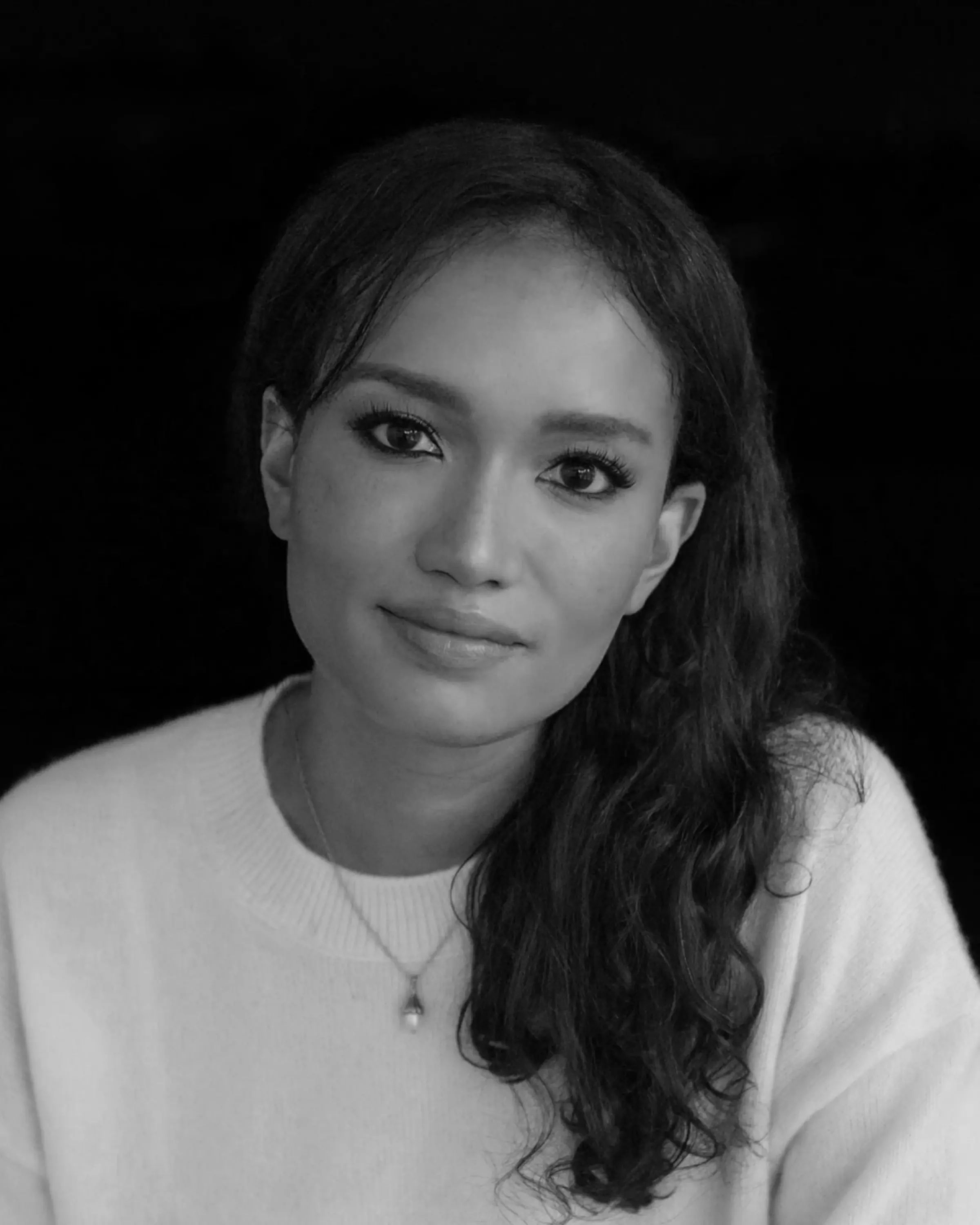
Overview of TJ Weekly - Josie Duffy-Rice
This episode features journalist Josie Duffy Rice discussing her new series, Examine the Backfire Effect, which reexamines the decades-old Michigan wrongful conviction case of Temujin Kensu (formerly Frederick Freeman) in the 1986 murder of Scott Macklem. The conversation centers on how prosecutors and police can become locked into a theory of guilt, even when the evidence is weak, and how that dynamic can be reinforced by the “backfire effect,” belief perseverance, and systemic incentives that reward conviction over accuracy.
The Case at the Center of the Series
The murder and arrest
- On November 5, 1986, Scott Macklem was shot and killed in the parking lot of a community college in Port Huron, Michigan.
- Police quickly focused on his ex-fiancé’s former partner, Frederick Freeman, later known as Temujin Kensu.
- Freeman was arrested about nine days later, despite claiming he was hundreds of miles away in Michigan’s Upper Peninsula at the time.
Why the conviction is so troubling
The guests stress that the case lacked the kind of evidence you would normally expect in a murder prosecution:
- No murder weapon
- No getaway car
- No meaningful physical evidence
- No eyewitness who actually saw the shooting
Instead, the prosecution relied heavily on:
- Character evidence about Freeman’s behavior toward women
- His interest in martial arts
- A highly dubious pilot theory
- A jailhouse informant
- A witness whose memory was explored through hypnosis
Evidence and Investigative Findings
The “pilot” theory
One of the most striking parts of the case is the prosecution’s suggestion that Freeman could have:
- flown from one side of Michigan to the other,
- committed the murder,
- and returned without leaving a trace.
Josie explains why this theory makes little sense:
- There was no realistic evidence that such a flight arrangement existed.
- The pilot who testified was later found to have a history of lying, conning people, flying without a license, and shady behavior.
- The logistics of the theory were implausible, especially for the small-town airstrip in question.
The jailhouse informant problem
A major prosecution witness, Phil Joplin, is presented as someone Freeman supposedly confessed to in jail.
Josie describes this as a classic example of the jailhouse informant incentive system:
- Joplin was offered a break in his own case in exchange for cooperation.
- He later recanted, saying he had been asked to lie.
- The case illustrates how informants can be rewarded for producing testimony prosecutors want, regardless of reliability.
The hypnotized witness
Another unusual element is a witness who was hypnotized by his professor in an attempt to improve recall.
Josie notes:
- The witness did not actually see the shooting.
- The hypnosis transcript appears to lead the witness toward a particular version of events.
- The whole episode reflects the loose, improvised nature of the investigation.
Alibi witnesses and alternate suspects
The investigation uncovered witnesses who placed Freeman elsewhere, including:
- Kathleen Dyer, who placed him at a karate dojo in Escanaba
- Beth Steyer, a woman Freeman dated the night before the murder
The team also explored alternate suspects, with some leads pointing toward drug-related activity around the victim and his environment.
Josie Duffy Rice’s View of Temujin Kensu
A central theme of the conversation is that Temujin Kensu is a complicated person:
- He appears to have been abusive toward women
- He is described as difficult, forceful, and not especially likable
- But Josie says that none of that proves he committed this murder
Her larger point is that a person can be morally messy and still be wrongfully convicted. She argues that the system seems to have turned his bad character into an excuse to keep him imprisoned, even if the murder case itself is deeply flawed.
Broader Criminal Justice Themes
The backfire effect and belief perseverance
The episode uses Kensu’s case to illustrate how:
- Correcting a false belief can sometimes strengthen it
- Investigators and prosecutors may double down when evidence contradicts their theory
- Once a suspect is chosen, institutions often interpret everything through that lens
Prosecutorial power and judicial bias
Josie ties the case to her broader criticism of the criminal legal system:
- Prosecutors often become judges
- Judges and prosecutors may have personal or professional ties
- That closeness can make meaningful accountability much harder
She also points to:
- the overuse of jailhouse informants
- the danger of politically motivated prosecutions
- the difficulty of winning relief under AEDPA
- the rarity and unreliability of clemency
The cost of wrongful conviction
The episode emphasizes the human toll:
- Freeman was convicted at 23
- He has now spent decades in prison
- Even if released, his life prospects are limited by time lost, incarceration trauma, and the state’s refusal to admit error
Key Takeaways
- The Temujin Kensu case is presented as a powerful example of tunnel vision and institutional self-justification.
- The prosecution’s case depended heavily on weak, incentivized, or implausible evidence.
- Josie argues that the state may know more than it admits, but still refuses to act because of political and institutional liability.
- The conversation frames the case not just as a wrongful conviction, but as a window into deeper problems in American criminal justice.
Related Work Mentioned
Josie also briefly discusses:
- The 30-Year Project with the Vera Institute of Justice
- Her prior podcast Unreformed
- Her broader reporting on prosecutors, prisons, and criminal justice policy
If you want, I can also turn this into a shorter executive summary or a bullet-point case timeline.