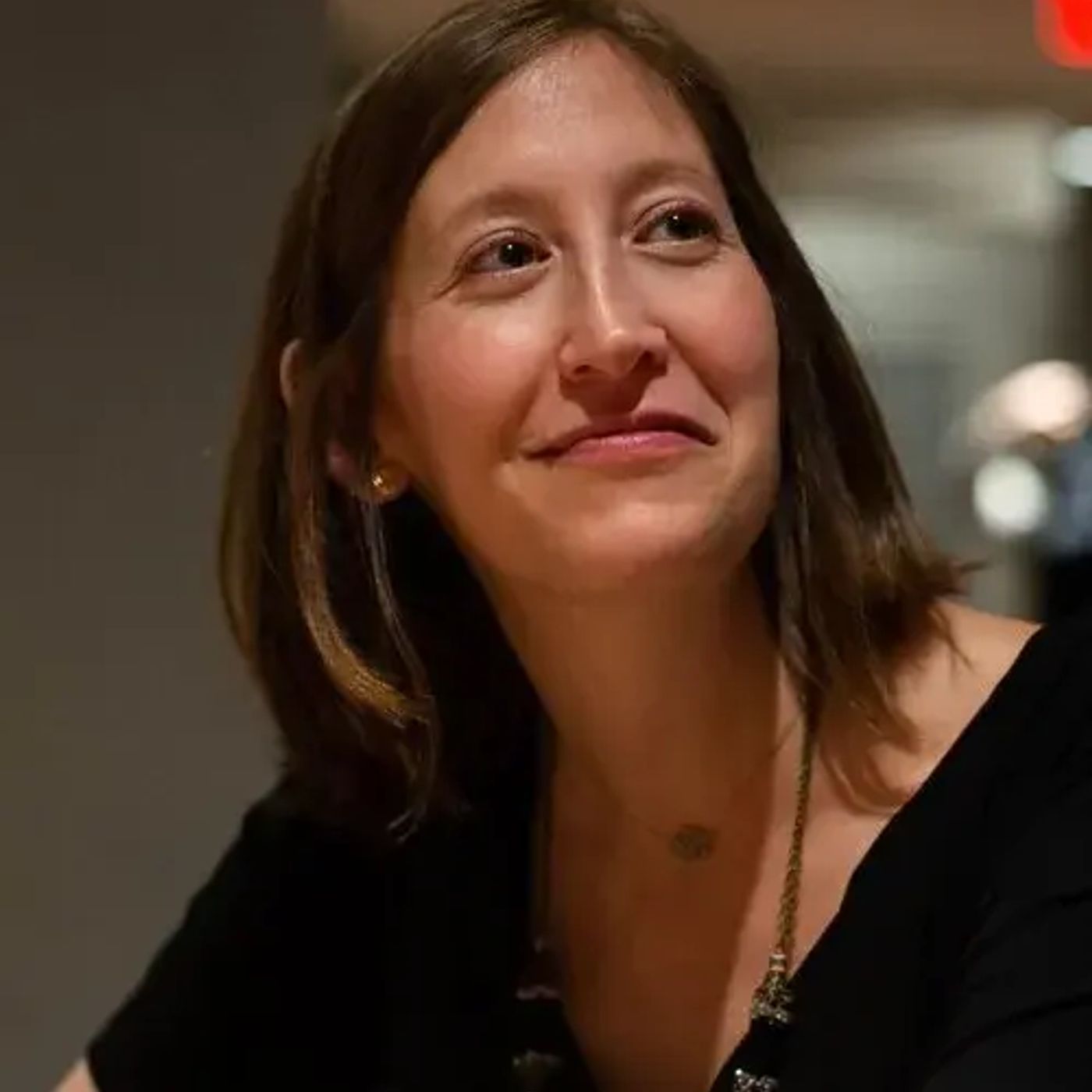
Overview of TJ Weekly - Jen Miller
This episode of Undisclosed Toward Justice features journalist and podcaster Jen Miller, creator of the true-crime series Blood Will Tell. The conversation centers on how Miller moved from reporting on Shakespeare-based rehabilitation programs in prison to uncovering a deeply personal, years-long story about Vietnamese American identical twin brothers, loyalty, trauma, family sacrifice, and a fatal fight that changed both of their lives. The interview also explores Miller’s broader work helping immigrants tell their own stories in the media.
Who Jen Miller Is
Jen Miller is a journalist, author, and first-time podcast host. The hosts highlight her background as:
- A journalist whose work has appeared in The New York Times and The Washington Post
- The author of five books
- A former fellow at the American Immigration Council, where she helped immigrants publish essays and op-eds
- A storyteller whose work often returns to themes of identity, belonging, and home
Miller explains that her immigration storytelling work is one of the most meaningful parts of her career, especially because it helps people in small towns and rural communities have a public voice.
The Origin of Blood Will Tell
The podcast began with a 2020 reporting assignment about Shakespeare as therapy in prison. Miller was at San Quentin reporting on a Shakespeare troupe made up largely of incarcerated men, rehearsing Othello. There she met Trung, who became the central figure in Blood Will Tell.
What first drew her in:
- Trung was about to be released after years in prison
- He told her a story so unexpected and emotionally charged that she knew it merited deeper reporting
- Over time, the story evolved from a prison arts piece into a six-episode true-crime podcast
Miller says the project took years of trust-building before she ever considered making the story public.
The Core Story: Two Brothers, One Crime
At the center of Blood Will Tell are Vietnamese American identical twin brothers, Trung and Ahn, whose lives diverge dramatically after a deadly fight.
Family background
- The twins were born in South Vietnam and grew up amid the legacy of the Vietnam War
- Their father fought for the South Vietnamese Army and spent years in a communist re-education camp
- The family experienced displacement, separation, and economic hardship after immigrating to the U.S.
- The twins spent part of childhood separated from their mother while the family tried to reunite and settle in California
Their lives in the U.S.
In San Jose, the twins lived a double life:
- On one hand: good grades, Boy Scouts, martial arts, and aspirations for success
- On the other: drug dealing, burglary, and involvement with organized crime
- They were trying to find identity, power, and belonging while feeling excluded from the American dream
Miller frames this as a story about:
- Brotherhood
- Competition and loyalty
- Family expectations
- The pressure to perform masculinity
- The ways immigrant children can feel invisible or unrooted
The fatal party fight
The key incident unfolds when the twins, 18 years old and already involved in dangerous criminal activity, attend a party in a wealthy neighborhood.
What happens:
- A fight breaks out
- Ahn is in the middle of it
- Trung, highly intoxicated and emotionally overwhelmed, jumps in
- He stabs a young man, who later dies
- The two brothers flee the scene
The tragedy is compounded by the fact that the stabbing appears to have been driven by impulse, loyalty, and fear rather than premeditation.
The Mistaken Identity and Legal Fallout
One of the most striking parts of the case is the confusion over which twin committed the stabbing.
- Police initially charge Trung with murder and Ahn with accessory
- Media reports later say the charges were switched
- The brothers refuse to talk to police or to each other about what happened
- Ahn ends up taking the fall and sits in county jail for nearly two years
- Trung eventually turns himself in later, and their legal positions essentially swap
Miller emphasizes that this is not a traditional whodunit. The deeper questions are:
- Why did Ahn stay silent?
- Why did Trung finally confess?
- What do brotherhood and loyalty demand when the consequences are life-changing?
The Role of Silence, Code, and Loyalty
A major theme in the episode is the brothers’ refusal to betray each other.
Miller explains that their silence was shaped by several overlapping forces:
- Their emotional bond as twins
- Fear
- Gang culture and the code against “snitching”
- The fact that snitching on one’s brother is a moral and emotional betrayal, not just a legal one
Even Ahn’s attorney says it took a long time before he would admit the truth. His refusal to help himself becomes one of the most devastating parts of the case.
The Family’s Response
The hosts ask how the parents handled everything, and Miller explains that they knew the twins were in trouble, even if they did not know every detail.
Notable points:
- The father, Duc, had already seen signs of serious trouble, including weapons in the house
- When police raided the family home, it triggered his war trauma
- Duc later told Trung that he had suspected the truth from the beginning
- But he chose not to intervene directly, saying it was between the brothers
Miller presents the father’s response as tragic, restrained, and deeply shaped by his own history.
Rehabilitation, Theater, and Emotional Truth
A major part of the conversation focuses on the prison Shakespeare program and what it offers.
Miller’s view of the program:
- Theater gives incarcerated people a structured way to access emotion and vulnerability
- Shakespeare can provide language for trauma, shame, and identity
- Performing is both liberating and complicated, especially for men socialized not to show emotion
She also notes an important tension:
- Trung was naturally comfortable performing
- But in later rehabilitation work, other participants challenged whether he was being genuinely honest or simply performing recovery
- This forced him to confront the difference between appearing transformed and truly changing
Ahn’s Experience After Jail
The episode also explores the very different path Ahn takes.
Key differences:
- California prisons offer more rehabilitation resources than county jail
- Ahn, who served time in county jail for a crime he did not commit, had fewer supports
- After release, he felt adrift and eventually became involved in running an underground strip club
- Later, he helped end the cycle of violence by confronting the men still threatening him and his brother
Miller describes this as a surprising arc: the brother who suffered the injustice eventually becomes the one who helps free both of them from their old life.
Why the Story Feels Shakespearean
The hosts and Miller keep returning to Shakespeare because the parallels are so strong.
She chose Shakespearean episode titles because the story contains:
- Sacrifice
- Betrayal
- Loyalty
- Identity crises
- Mistaken identity
- Tragedy born from impulse and fate
Miller says she did not want to make a standard true-crime podcast because the real story is less about solving a mystery and more about understanding the emotional and psychological forces that shaped the brothers’ lives.
Key Takeaways
- Blood Will Tell is less a conventional true-crime mystery than a story about family, trauma, and moral obligation
- Immigration history and displacement are central to understanding the twins’ choices
- The brothers’ silence is rooted in love, fear, and code, not just legal strategy
- Arts-based prison rehabilitation can be powerful, but it can also expose tensions around authenticity and performance
- The story is deeply shaped by Shakespearean themes, especially tragedy, mistaken identity, and sacrifice
Where to Listen
- Blood Will Tell is available now on Audible
- All episodes are live and free
- Jen Miller says she is not active on social media, but her work can be found at her website: byjennifermiller.com