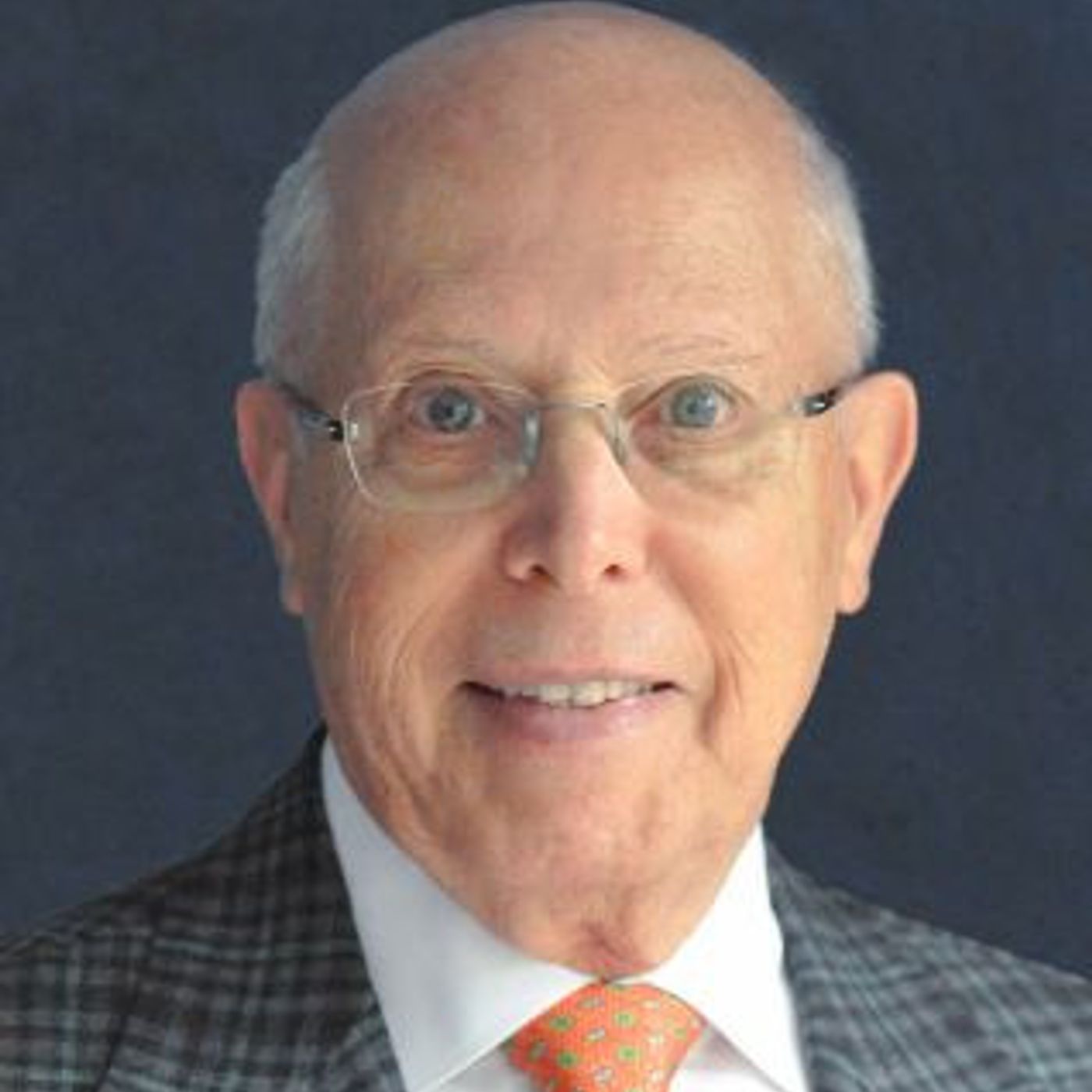
Overview of TJ Weekly - Harry Milman
This episode of TJ Weekly features Dr. Harry Millman, a pharmacologist/toxicologist and bestselling author, discussing his career, his Forensics book series (most recently Forensics 4: Guilty Until Proven Innocent), and systemic problems in forensic science that lead to wrongful convictions. The conversation covers how expert consulting/testimony works, common forensic pitfalls (eyewitness ID, fingerprints, bloodstain pattern analysis, toxicology), and practical remedies and limits for reform.
Guest background
- Harry Millman, PhD: B.S. in Pharmacy, M.S., and PhD in Pharmacology; long research career at the National Cancer Institute (NIH) and later the EPA.
- Expert witness/testifier for ~23 of the last 26 years; consulted in ~350 civil/criminal/high-profile cases (roughly half plaintiff, half defense).
- Author of multiple books: mysteries and the Forensics series (Forensics 1–4). Current: Forensics 4 — Guilty Until Proven Innocent.
- Stopped active testifying a few years ago to focus on writing.
How expert consulting/testimony typically works
- Initial phone call from an attorney to determine whether there’s a viable case.
- If promising, expert reviews documents: medical records, autopsies, police reports, lab data, literature.
- Expert may write a report and give a deposition (disclosure to the other side), then possibly trial testimony.
- Timeline from initial contact to trial can be long — often around two years.
- Many cases end earlier if an expert’s early opinion shows the case is weak (cost-saving).
Main topics and takeaways
Forensics and wrongful convictions (theme of Forensics 4)
- Title meaning: Many innocent people are effectively treated “guilty until proven innocent” because exoneration is slow, resource-intensive, and difficult even though initial constitutional protections favor the accused.
- Book examines several exoneree cases and the forensic failures that contributed to wrongful convictions.
Most commonly misused/over-relied forensic evidence
- Eyewitness identification
- Millman: eyewitness ID likely the single most common and problematic form of evidence.
- Memory is fragile and malleable; the longer after an event, the more likely memory is altered by media, conversations, etc.
- Statistic cited: about 70% of eyewitnesses get it wrong (per Millman’s discussion).
- Fingerprints
- Common assumptions (uniqueness; objective match) are weaker than public thinks.
- Practical problems: partial/smudged prints, no universal standard for how many matching minutiae constitute a conclusive match (different jurisdictions use different thresholds — e.g., 12, 15, 20).
- Human judgment in visual comparisons introduces error; qualifications/standards vary.
- Bloodstain pattern analysis (BPA)
- Not—or insufficiently—validated as a rigorous science; National Academy of Sciences criticized its lack of scientific testing and objective standards.
- Similar-looking patterns can be produced by different mechanisms; analysts often use probabilistic/“consistent with” language which jurors may interpret as definitive.
- Toxicology
- Screening tests vs confirmatory tests: screening can produce presumptive positives; confirmatory assays are needed to identify specific substances and concentrations.
- Dose matters (“the dose makes the poison”): detection of a drug alone does not prove toxic or lethal levels without quantitation.
- Luminol and other presumptive tests can give false positives (e.g., certain vegetables produce similar reactions).
- Field sobriety tests
- Useful but imperfect: older age, footwear, medical conditions affect performance; clinical testing + blood/breath levels must be weighed together with timeline issues (alcohol clearance).
General causes of forensic errors
- Human factor: analysts are people and can make mistakes, overreach, or (rarely) commit misconduct.
- Lack of standardized methods and validation across disciplines and jurisdictions.
- Incentive structures in the legal system: prosecutors’ electoral pressures, police immunity, wins/losses mentality can disincentivize scrutiny.
- Resource imbalances: one side may be unable to hire an independent expert or retest evidence.
Notable insights / quotes (paraphrased)
- “Many forensic methods commonly used in court have not been scientifically proven or standardized.”
- “Jurors often conflate ‘consistent with’ language with definitive proof.”
- “You need corroboration — don’t convict on a single piece of evidence alone.”
- “The front-end protections for the accused are much stronger than the back-end mechanisms for the exonerated.”
Recommendations and proposed reforms
- Better education and training:
- Workshops and continuing education for judges, prosecutors, defense attorneys, and experts.
- Public education so potential jurors understand the limits of forensic evidence (though Millman noted a paradox: well-informed jurors may be excluded from juries).
- Strengthen peer review and scientific scrutiny of forensic methods (more testing, validation, and published standards).
- Emphasize corroboration: forensic findings should be corroborated by independent lines of evidence (confirmatory tests, case context).
- Speed up exoneration procedures and provide more resources to post-conviction review organizations.
- Millman is cautious about a single “FDA for forensics” solution; he favors multi-pronged scrutiny and training but acknowledges reforms will be slow and politically fraught.
Practical observations and limitations
- Science is often probabilistic; expert opinions usually aim for “more likely than not” (51%+ threshold), not absolute certainty.
- Evidence loss, degraded samples, and incomplete records complicate exoneration.
- Reform efforts face institutional, political, and resource barriers; progress is incremental.
Where to find Dr. Millman’s work
- Forensics 4: Guilty Until Proven Innocent — available on major online retailers (Amazon, Barnes & Noble) and via his site: forensics4.com.
Bottom line for legal practitioners, jurors, and advocates
- Don’t treat forensic evidence as infallible: demand validation, standards, confirmatory testing, and corroboration.
- Encourage systemic improvements: training, peer review, and faster mechanisms for correcting wrongful convictions.
- Use experts early to triage cases — an early, honest scientific read can save time and prevent prosecutions built on weak or unverified evidence.