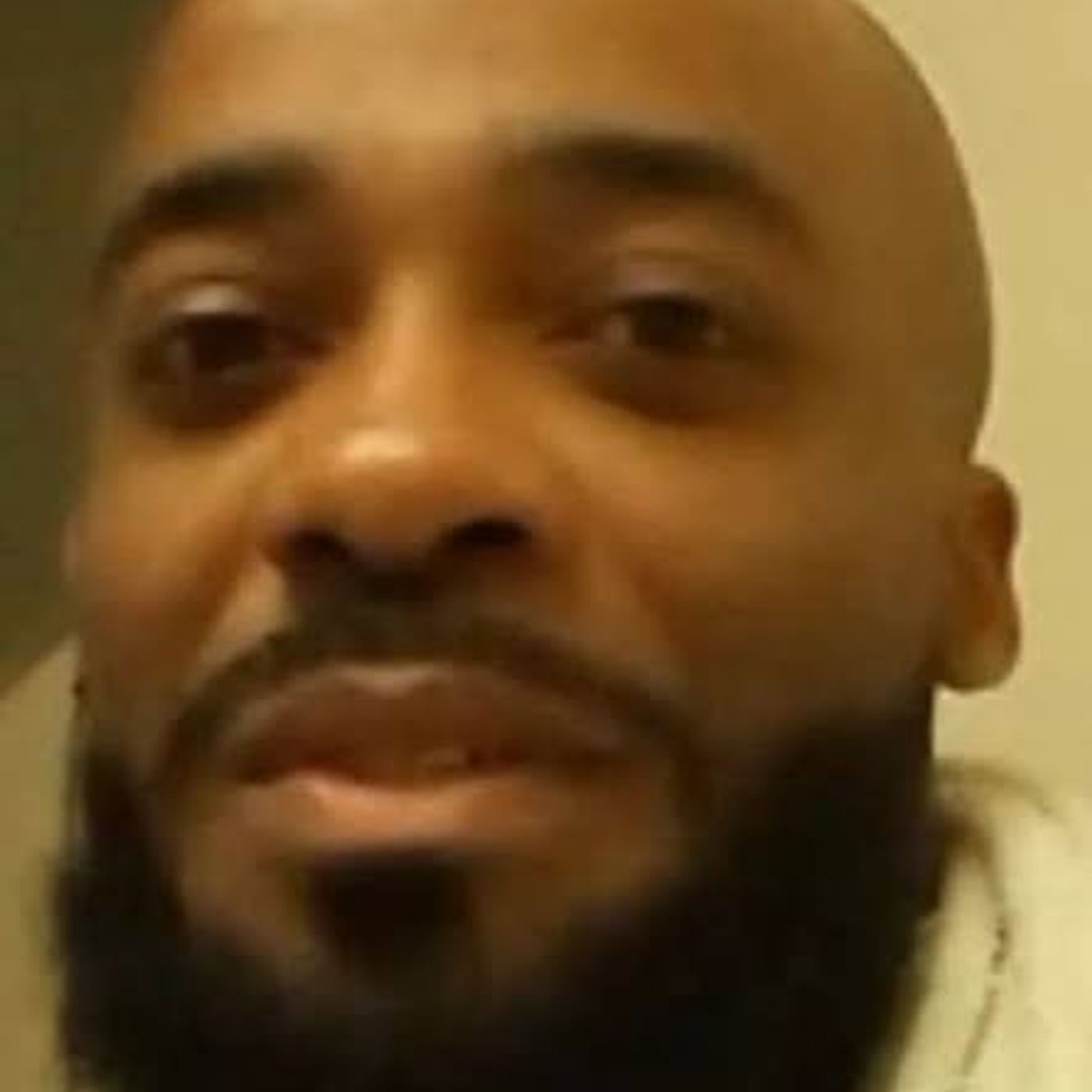
Overview of TJ Weekly - Free Chris Bynum
This episode is a deep dive into the case of Cleveland “Chris” Bynum, who is serving a 300-year sentence for five murders in Gary, Indiana, despite what the guests argue is a growing body of evidence pointing to his innocence. Host Rabia Chaudhry is joined by Dr. Nikki Ali Jackson and Attorney Samuel White to explain the crime, the investigation, the coerced statements that powered the conviction, and the post-conviction evidence that has emerged since trial.
The central claim of the episode is straightforward: the conviction is unreliable and should be re-evaluated in light of DNA, witness recantations, and alternate suspect evidence.
The Crime and Initial Investigation
What happened on the night of the murders
On February 17, 2000, five people were killed in two linked crime scenes in Gary, Indiana:
- At a house on East 10th Avenue
- Anthony Jeffers
- Suzanne Wallace
- Angela Wallace
- At a baseball field on East Idaho Street
- Elizabeth Daly Ayers
- Sheila Bartee
Key details from the scenes:
- All five victims were shot.
- The two women at the baseball field showed signs suggesting possible sexual assault.
- Angela Wallace’s toddler was found alive but covered in blood.
- Suzanne Wallace’s 12-year-old son, referred to as LB, was in the house during the shootings.
How police focused on Chris Bynum
The guests describe the identification of Chris as unusually shaky:
- Police allegedly received a tip, but no record of that tip has ever been produced.
- LB was reportedly told by police that “a guy named Chris Bynum confessed” before Chris had even been arrested.
- Detectives later told Chris, “you’re the only Chris I know,” which the guests view as an absurd and unsupported basis for focusing on him.
The Statements That Drove the Conviction
First statement
Chris was arrested at age 21 and interrogated for hours. According to the episode:
- He asked for a lawyer repeatedly and was denied.
- Police allegedly pressured him by holding his fiancée and young child.
- Detective Louis Donald allegedly used the threat of child protective services to force cooperation.
In the first statement, Chris claimed:
- He was present at the house.
- DeAndre McIntosh (“Shaky”) was the shooter.
- Chris did not describe the baseball field murders.
Second statement
After another encounter involving police pressure and an interaction with Shaky, Chris gave a second statement in which he:
- Removed Shaky from the account.
- Claimed he himself committed the murders.
- Included both crime scenes in a single narrative.
The guests argue this statement is riddled with inconsistencies, including:
- Chris saying the child in the house was about five years old when the child was actually 18 months old
- Chris placing LB in the living room, when LB was actually in a back bedroom
- The women at the house being described as rushing him, even though they were shot execution-style
Why the Guests Say the Trial Was Unreliable
Lack of physical evidence
A major theme of the episode is that there was no forensic evidence tying Chris to the murders.
The guests say:
- Sexual assault kits were collected but not tested at the time.
- Blood, clothing, and other scene evidence were also not fully tested.
- Fingerprints recovered from key items were not fully pursued once police believed Chris’s statements.
Defense failures
The episode notes that Chris’s original defense was later found by a federal court to have provided ineffective assistance of counsel.
The guests imply the defense failed to adequately challenge:
- The coercive interrogations
- The lack of forensic testing
- The contradictions in witness accounts
New Evidence Since Conviction
DNA results
Years later, post-conviction testing of the sexual assault kits reportedly found:
- Three male DNA profiles
- None matched Chris
- One profile was linked to the son of a Gary police officer
- Another profile connected to a later murder case involving a separate victim
- The guests say this evidence is highly significant and still not fully explained
Four new eyewitnesses
The episode highlights four additional witnesses who allegedly place Shaky and Rob Carr at or near the crime scenes:
- One saw Shaky running from the baseball field
- One saw Shaky and Rob Carr leave the house after gunshots
- One said she saw Shaky shooting inside the house from the doorway
- One said Shaky and Rob Carr later returned bloodied, and Shaky burned bloody clothes
The guests argue these accounts strongly support an alternate-suspect theory.
LB’s recantation
LB later said:
- Police told him Chris had confessed before he testified
- Someone pointed Chris out to him in court
- He never actually saw Chris in the house
- He did not recognize any voice he later attributed to Chris
This matters because LB’s in-court identification was one of the prosecution’s strongest pieces of evidence at trial.
Gerald Matthews / “Chris Stokes” confession
The episode also discusses a separate man, Gerald Matthews, who reportedly went by Chris Stokes at the time and later:
- Gave a videotaped confession
- Signed a notarized affidavit
- Said he and others, including Rob Carr, were involved
- Appeared to fit an early description of the suspect, including a gap in his teeth
The guests say this confession is powerful and disturbing, especially because Matthews’s murder remains unsolved.
Chris’s Alibi and the Alternate Suspect Theory
Chris’s alibi
Chris was reportedly at a local bar/VFW hall playing pool earlier in the night and got into a fight with Shaky there.
Important point from the episode:
- The guests believe this is likely how Chris’s name entered the investigation.
- They also note that Chris went home afterward, which leaves his later whereabouts contested.
Why they think the crimes are connected
Dr. Jackson says she now believes the two crime scenes were likely related, and the episode treats the murders as part of a single chain of events. The guests do not fully reveal all of the evidence behind that conclusion, but they emphasize that the connection matters to understanding the full case.
Current Status and Next Steps
Post-conviction efforts
Despite the new evidence, Chris’s post-conviction efforts and federal habeas efforts have reportedly been denied.
The guests say they are still pursuing:
- Legal remedies
- Further forensic review
- Additional witness development
- New tips from the public
Call for public help
Attorney Samuel White provides a tip line for anyone with information:
They ask listeners to send anything they know about the case, especially if they have information about:
- The murders
- Shaky / DeAndre McIntosh
- Rob Carr / Rob G
- Gerald Matthews / Chris Stokes
- The original police investigation
Main Takeaways
- The episode argues that Chris Bynum was convicted primarily on coerced statements, not hard evidence.
- DNA and witness evidence developed later point away from Chris and toward other suspects.
- The case includes serious concerns about:
- coercive interrogation
- unreliable child witness testimony
- incomplete forensic testing
- possible investigative tunnel vision
- The guests believe the conviction would be much harder to sustain today.
Notable Quote / Theme
A recurring theme in the conversation is that the case was built on an investigation that made up its mind early and then stopped looking:
- once Chris became the suspect,
- police treated his statements as the truth,
- and other evidence was either ignored or never fully tested.
The episode is ultimately a call to reopen the case, examine the evidence as a whole, and free Chris Bynum.