Overview of S9 Ep1: S9, The State v. Dylan Adams - Episode 1 - Atonement
This episode opens a new season of Undisclosed by framing the Holly Bobo case through the lens of Ian McEwan’s Atonement: a story about misreading events, false assumptions, and the moral burden of getting it wrong. The hosts argue that the Holly Bobo investigation became a real-world inverse of that novel—one where law enforcement, witnesses, and family members each had to wrestle with what they saw, what they believed, and what they may have failed to do. The episode focuses on the morning Holly vanished in April 2011, introducing the timeline, the family’s reactions, and the early physical evidence that shaped the case against Dylan Adams and others.
Case Background
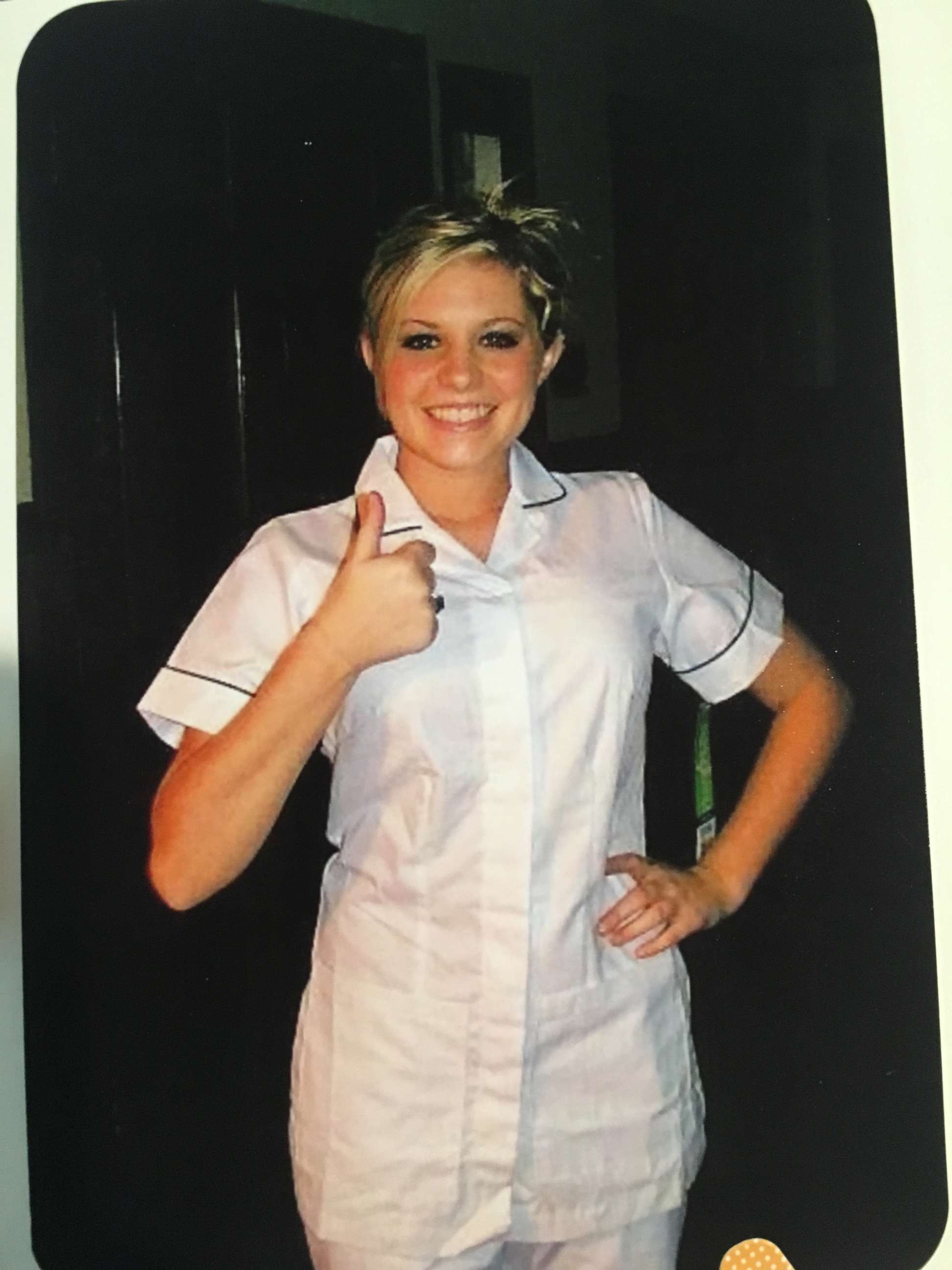
Who Holly Bobo was
- Holly Bobo was a 20-year-old nursing student living with her family in Darden, Tennessee.
- She was described as quiet, kind, and close with her family, especially her mother, Karen.
- She was dating Drew Scott, who had given her a promise ring and was widely understood to be serious about her.
Why this case matters
- The case became one of the largest and most exhaustive investigations in Tennessee history.
- It eventually led to prosecutions of four men connected to the case: Jason Autry, Shane Austin, Zach Adams, and Dylan Adams.
- Dylan Adams later entered an Alford plea to charges related to Holly’s kidnapping and murder.
Morning of April 13, 2011: The Timeline
Holly’s last known morning
- Holly had an 8:00 a.m. nursing exam at the University of Tennessee Martin’s Parsons campus.
- Her family saw her alive that morning as she studied at home and prepared to leave.
- Her mother packed her lunch and left for work around 7:00 a.m.
- Holly texted Drew repeatedly that morning, focused on an issue involving hunting permission on family land.
Drew’s hunting trip and the confusing texts
- Drew and his father had gone hunting early that morning.
- The episode highlights cell tower data suggesting Drew was near the hunting grounds earlier, but later pings placed his phone near Holly’s home area around the time of the texts.
- The hosts emphasize that this creates major confusion about whether Drew was still hunting or already back near Darden when Holly texted him.
The crucial window
- Around 7:50 a.m., neighbor James Barnes said he heard arguing and a scream from next door.
- Barnes claimed he did not think it was immediately serious, but later called his mother to report it.
- Holly’s brother Clint later heard voices and saw two people under the carport, one he believed was Holly and the other he initially thought was Drew.
Clint Bobo’s Observations and the Family’s Reaction
What Clint saw
- Clint said he heard a male and female voice in or near the carport.
- He initially believed the male was Drew because he assumed Holly and Drew were in a typical couple’s argument.
- He later changed his thinking and suspected the man might have been Richie Pratt, who was larger than Drew.
Why Clint didn’t immediately intervene
- Clint testified that he believed Holly was having a dispute with someone she knew.
- He said he had no clear reason to think she was being abducted.
- He went inside to put on clothes, grabbed a gun, and then went back out.
Karen’s 911 call and the family alarm
- Holly’s mother Karen received the warning from Barnes’s mother that screams had been heard.
- She rushed home and made a 911 call around 7:59 a.m.
- By the time law enforcement and family members converged on the house, the scene was chaotic and emotionally raw.
Early Investigation and Law Enforcement Response
Chaos at the scene
- Multiple agencies responded: local police, TBI, FBI, U.S. Marshals, and even a SWAT team.
- Dana Bobo described the response as disorganized and overwhelming.
- He also improvised a barrier with lawn chairs and pink tape to keep people away from the carport area.
Suspicion of Clint Bobo
- Police initially treated Clint as a possible suspect.
- He turned over his phone, submitted to a body search, and agreed to a polygraph test.
- He passed the polygraph, but the episode notes that TBI suspicion persisted anyway for years.
- The family ultimately felt pressured and unfairly targeted.
The Physical Evidence That Anchored the Case
Blood in the carport
- Investigators found Holly’s blood near the front passenger side of her black Ford Mustang.
- This strongly suggested she was injured right there in the carport area.
The palm print on Holly’s Mustang
- A major piece of evidence was a large palm print on the hood of Holly’s car.
- The print had ridge detail and was located near the bloodstain.
- The hosts explain why this mattered: the palm print was fresh enough to be considered highly probative and useful for comparison.
- The men later prosecuted in connection with the case were all excluded as the source of that palm print.
Key Themes and Takeaways
Misinterpretation and uncertainty
- The episode repeatedly stresses how much of the case rests on mistaken interpretations:
- Holly may have believed she was confronting a boyfriend issue.
- Clint may have believed he saw Drew.
- Investigators may have misunderstood family members’ behavior and motives.
The moral burden of “what if”
- The episode returns to the theme of atonement:
- Could Clint have saved Holly if he had known more?
- Did family members do enough?
- How much responsibility does someone bear when they mistake danger for something ordinary?
A case built on limited but important clues
- The hosts explain that law enforcement began with only a few anchor points:
- Clint’s eyewitness account
- Holly’s cell tower data
- The palm print on the Mustang
- Those clues drove the early hunt for suspects and shaped the investigation that followed.
What This Episode Sets Up
Focus of the season
- This is the opening episode in a seven-part series on the prosecution of Dylan Adams.
- The season will dig into how investigators built the case, how suspects were identified, and why the forensic evidence is so important.
Why listeners should pay attention
- The episode establishes that the case may have been built on unstable assumptions from the beginning.
- It suggests that the critical question is not just who was at the scene, but who law enforcement decided to believe—and why.