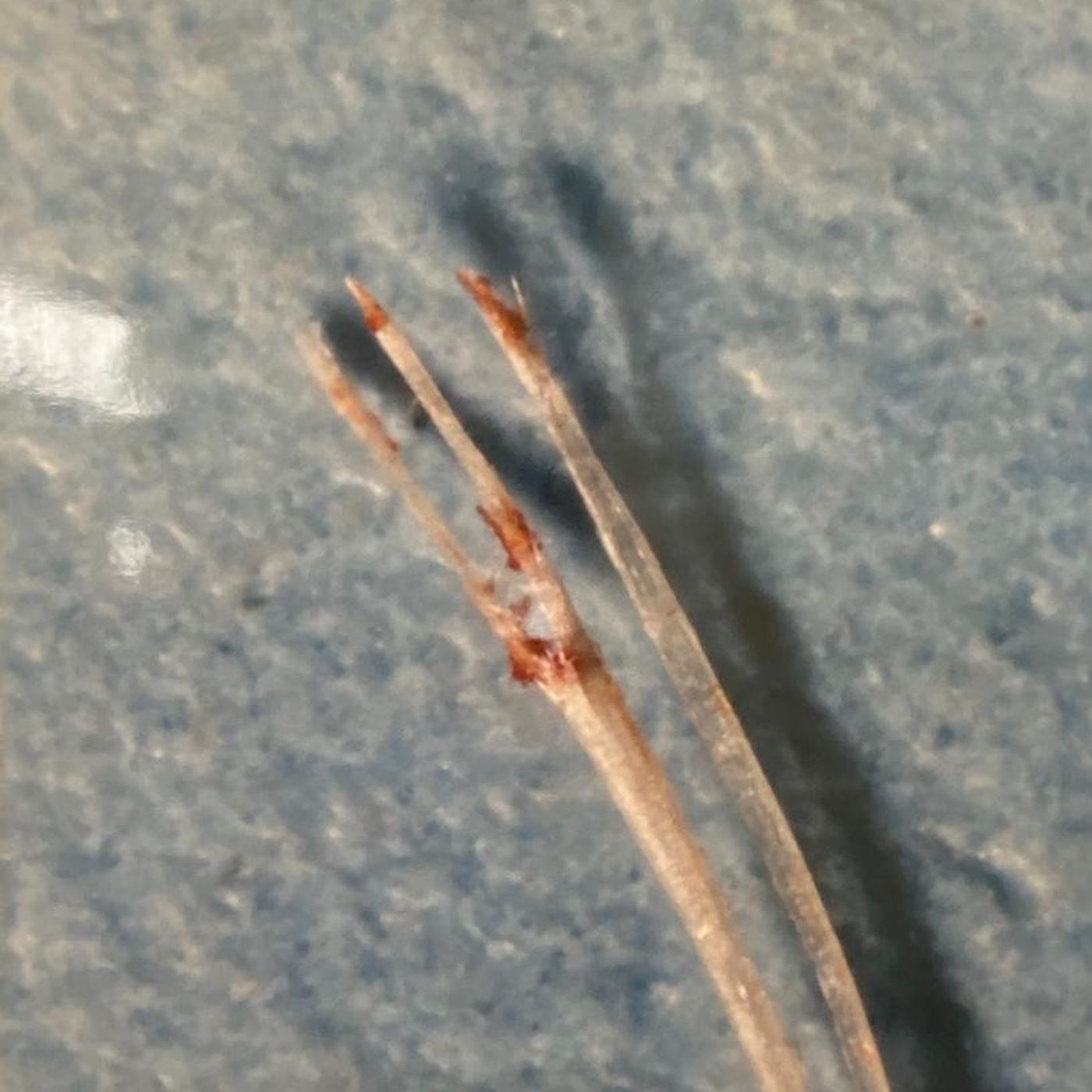
Overview of Undisclosed — S8 Ep17: The State v. Patricia Rorrer, Episode 9: “The Hair”
This episode focuses on the arrest, prosecution, and conviction of Patricia Rorrer for the murders of Joanne and Alex Katranak, with special attention to the state’s most powerful evidence: hair-based DNA testing. The hosts argue that the case against Patricia was built on a highly charged media narrative, weakly supported motive theories, questionable witness testimony, and serious irregularities in the handling and testing of the hair evidence.
Arrest, Media Frenzy, and Public Judgment
Patricia Rorrer was arrested at home around 6 a.m. on June 24, 1997, while alone with her infant daughter. Officers told her she was being charged with kidnapping and murder, and she was visibly terrified and distraught.
Key moments from the arrest were later used against her at trial:
- According to a female officer, Patricia repeatedly apologized to her child.
- The state portrayed her emotional reaction as incriminating.
- Her mother’s arrival, anger, and comments to police were also treated as suspicious.
The next day, headlines in Pennsylvania and North Carolina painted Patricia as a dangerous, unstable woman with a criminal past. The hosts emphasize that she was effectively presumed guilty in the media before trial even began.
The State’s Theory at Trial
The prosecution’s narrative was simple but dramatic:
- Patricia allegedly had a history of resentment toward Joanne and Andy Katernak.
- She supposedly was jealous of their child and emotionally unstable.
- She was portrayed as someone who could have driven across state lines, committed the murders, and left little trace.
The hosts criticize this as a familiar “hysterical woman” trope: the idea that a woman’s violence must be rooted in jealousy, romantic obsession, or irrational emotion.
The Three Pillars of the Conviction
The conviction rested on three main points:
- Discrediting Patricia’s alibis and phone records
- Suggesting she had access to a murder weapon
- Presenting hair/DNA evidence as scientifically powerful proof
The episode says the first two were already shaky, but the third was the real linchpin.
The Gun Evidence
No murder weapon was ever recovered.
Still, the prosecution relied on testimony from Walter Blalock, an ex-boyfriend with a bad reputation, who claimed Patricia once owned a junky .22 caliber pistol. The state then used this to suggest she had the murder weapon and got rid of it.
A key witness, Patricia’s half-sister Sandra Ireland, testified that their mother once asked her to hold a small silver pistol. The prosecution implied this was Patricia’s gun and that Patricia’s mother helped dispose of it.
The hosts argue this testimony was weak and confusing:
- The gun description did not clearly match Blalock’s account.
- The timing did not align with the police search being referenced.
- No gun was ever recovered.
- The testimony may have been used mainly to make Patricia’s mother look suspicious and less credible as an alibi witness.
The Hair Evidence: The State’s Most Important Proof
The episode spends most of its time unpacking the hair evidence, which the hosts present as deeply problematic.
What the state claimed
The prosecution said several hairs found:
- in Joanne Katernak’s car,
- in a diaper bag at the scene,
- and on the ground near the bodies
matched Patricia through mitochondrial DNA testing. At the time, this was relatively new forensic technology and was presented as compelling evidence.
Why the hosts say it was unreliable
The episode highlights several major concerns:
- The original hairs from the crime scene were described as not artificially treated.
- Patricia’s hair at the time was bleached and permed, which should have been obvious if the recovered hairs truly came from her.
- The original reports did not note root material on the hairs, yet later testimony suggested roots were present.
- The hair evidence appears to have moved back and forth between labs in a confusing and poorly documented way.
- There was a window during which Pennsylvania authorities had access to both the original evidence and hair taken directly from Patricia, creating the possibility of substitution.
The hosts strongly suggest the possibility that the hairs tested by the FBI may not have been the original crime scene hairs at all.
Problems with the Forensic Testimony
The episode is especially critical of Dr. Thomas Jensen, the state’s hair expert.
Concerns include:
- He was not actually a hair expert; he worked in serology and had only taken a one-day hair analysis course years earlier.
- He testified in ways that conflicted with the lab records.
- He admitted to relabeling hairs in court without clear explanation.
- He contaminated evidence by handling hairs with bare hands.
- His methods for measuring hair were described as bizarre and unscientific.
- He estimated hair length from photographs using a flawed “pupillary distance” method.
The hosts portray his testimony as scientifically weak and overly influential to a jury that likely did not understand the limitations of mitochondrial DNA.
What Was Never Tested
The episode notes that the most important piece of hair evidence may have been ignored:
- A hair found in Joanne’s hand was never meaningfully tested against Patricia’s hair.
- Jensen acknowledged it looked different and likely did not belong to Joanne or the primary suspect, but no comparison was done.
- Nail fragments found on Joanne were also inconsistently described, with some evidence suggesting they were not thoroughly or accurately analyzed.
The hosts argue this is especially troubling because the state focused so heavily on the hair that seemed to point toward Patricia while ignoring evidence that might have pointed elsewhere.
Verdict and Sentencing
The jury convicted Patricia of first-degree murder.
During sentencing:
- The prosecution sought the death penalty.
- Patricia initially resisted testifying again.
- After seeing her young daughter in court, she took the stand and maintained her innocence.
- Andy Katernak’s father surprisingly urged the jury to impose life, not death.
The jury ultimately sentenced Patricia to life without parole instead of death.
Main Takeaways
- Patricia’s arrest and trial were shaped by a heavily prejudicial public narrative.
- The prosecution relied on stereotypes about female jealousy and instability.
- The gun evidence was circumstantial and never produced the actual weapon.
- The hair evidence, though presented as scientific proof, had serious chain-of-custody and testing problems.
- The hosts suggest the conviction may have depended on evidence that was mishandled, mischaracterized, or possibly substituted.
Episode’s Broader Point
This episode argues that Patricia Rorrer was not convicted because the evidence was airtight, but because:
- the state built a compelling story,
- the jury was primed to believe it,
- and forensic science was used in a way that appeared authoritative even where the underlying handling of evidence was deeply questionable.