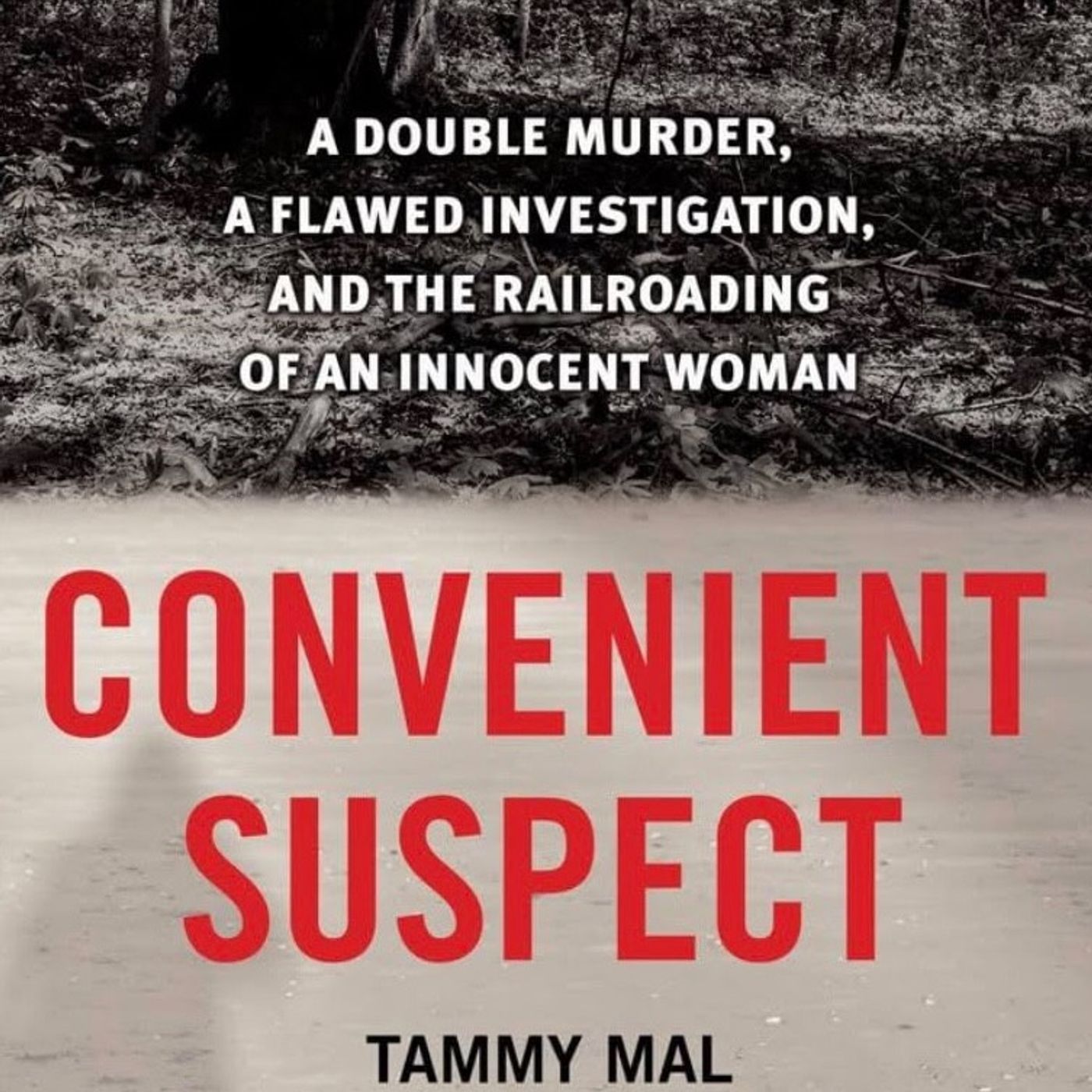
Overview of S8 Ep15: S8, The State v. Patricia Rorrer — Episode 8: Convenient Suspect
This episode serves as a case reset in the Patricia Rohrer prosecution, laying out the timeline, the state’s theory, and, most importantly, the defense-alibi evidence that police and prosecutors largely ignored or reframed as suspicious. Host Rabia Chaudry is joined by true-crime author and longtime innocence advocate Tammy Maul, who explains how she went from thinking Patricia was guilty to becoming convinced the case was built on a distorted narrative and mishandled evidence.
Case Timeline and Prosecution Status
Core timeline recap
- Joanne and Alex Katrinak were reported missing by Andy Katrinak on December 15, 1994.
- Their bodies were discovered on April 9, 1995, about 30 minutes from their home in Pennsylvania.
- By June 1995, investigators had focused almost entirely on Patricia Rohrer as the prime suspect.
- On November 8, 1995, police obtained a warrant for Patty’s hair and blood.
- By October 1996, officials were still debating whether to arrest her, waiting on forensic results.
Why the case was considered difficult
The episode stresses that Patty had:
- strong alibi claims
- phone records that appeared to support her version of events
- documented travel to North Carolina
- corroborating witnesses for key dates
In other words, she was not an easy suspect to charge cleanly.
Tammy Maul’s Involvement
How she got involved
Tammy Maul explains that she initially wanted to write a true-crime book and assumed Patty was guilty. She began corresponding with Patty while working on the case, and Patty became the only participant willing to speak with her.
What changed her mind
Maul says she was surprised by:
- police reports that contradicted the public narrative
- evidence of contaminated DNA material
- the fact that Patty’s claims could often be verified by records or witnesses
By the time Tammy got involved, Patty had already exhausted most of her appeals and was largely out of options.
The Alibi Evidence the Episode Focuses On
1. Phone records
One of the episode’s biggest points is that the state’s phone-call theory does not hold up well.
- Andy claimed Patty called his house on December 12, 1994.
- Patty consistently said the call happened about a week to 10 days before the disappearance.
- Her phone records show a call to the Katrinak home on December 7 at 7:32 p.m.
- That call lasted one minute, consistent with Andy/Joanne hanging up on her.
The police then tried to argue that a gap in long-distance calls from December 12–15 was suspicious. The episode points out that:
- there were other gaps in her phone records too
- long-distance calls were not something people necessarily made daily
- the state essentially turned ordinary calling patterns into evidence of guilt
2. The “she was in Pennsylvania” problem
The prosecution later argued Patty must have been in Pennsylvania when the call occurred. Rabia and Tammy note that this conflicts with Patty being in North Carolina and, critically, with her attendance at a hearing on December 12, which makes the alleged timeline even harder to sustain.
3. Gas station and kerosene receipt alibi
Patty told police early and repeatedly that she:
- bought gas at Haines Gas Station
- went to an Exxon to buy kerosene
- encountered a broken pump and spoke with the woman inside
The woman later remembered the incident, though not the exact date. The episode suggests the weather and circumstances point toward the relevant time period, but police failed to pursue it promptly.
4. Grain purchase and animal-care obligations
Patty also said she bought grain on December 15.
- She had been ordered, in an animal-cruelty matter, to keep grain receipts
- She was required to feed a large number of animals, not just one horse
- Grain seller Leroy Rouse later told police she came around the week before Christmas, which aligns with Patty’s account
The episode emphasizes that this was an important, objective alibi lead that police delayed following up on.
5. Neighbor Tina Swenson
Patty said she saw her neighbor Tina Swenson on the afternoon of December 15 and later called her after the missing-person news broke.
- Tina later confirmed Patty called her early the next morning
- Tina had a calendar marking when she fed Patty’s animals
- Those marks matched the days Patty was away in Oklahoma, not the disappearance period
This was another strong corroboration that Patty was home and managing her property as usual.
6. Cowboys club alibi
Much of the episode focuses on Cowboys, a private club where Patty attended line-dancing nights.
Key points:
- Patty said she was at Cowboys on Thursday, December 15
- The club’s sign-in sheets were not reliable proof of attendance
- Dance class often happened before the sign-in process was even handled
- Club members testified that people sometimes signed in with false names or not at all
Witnesses who supported her presence included:
- Pete Jarrett, the dance instructor, who initially said she attended every Thursday in December
- Lisa Evans, who remembered Patty talking about a missing woman and appearing upset
- Brian Ward, Patty’s boyfriend/fiancé and the father of her child
- Eric Harding, who remembered the night because his brother had to be signed into the club
Brian and Eric both remembered a problem with Patty’s van that night, including a bad smell from horse grain in the back, which matches Patty’s account of buying grain before going out.
7. The sign-in sheet issue
The state leaned heavily on the fact that Patty was not signed in on the 15th, but the episode argues this is weak evidence because:
- the club’s records were informal
- sign-in compliance was lax
- the sheets were not a reliable attendance tracker
In short, the absence of a signature was not proof of absence.
8. Fonda Eggers and surveillance
The episode’s most striking alibi issue involves Fonda Eggers, a humane society officer and distant relative of Patty’s who had a hostile relationship with her.
What Eggers told police:
- she and others surveilled Patty’s house from December 12 to 16
- they wanted Patty “out of the county”
- she allegedly kept detailed notes and gave them to police
This is potentially huge because if those notes exist, they could directly support Patty’s alibi. But:
- the notes have never been produced
- the defense never fully developed this issue at trial
- Eggers instead testified in a way that made Patty look bad, focusing on animal-abuse allegations
The episode treats the missing surveillance notes as potentially critical Brady material.
The Episode’s Bigger Argument
The state spun normal facts into suspicion
A recurring theme is that police and prosecutors took ordinary, explainable facts and reframed them:
- a gap in phone calls became evidence of guilt
- informal club sign-in records became “proof” she wasn’t there
- routine travel and errands were cast as suspicious behavior
- a hostile witness’s missing notes may have been buried or overlooked
Patty’s story stayed consistent
Tammy and Rabia emphasize that:
- Patty’s account has remained consistent over decades
- other key figures in the case have changed their stories
- many police leads were pursued too late, if at all
The “convenient suspect” theory
The title reflects the episode’s main conclusion: Patty was made into the easiest narrative answer, even though the evidence was messy and her alibi witnesses and records were substantial.
Key Takeaways
- Patty had multiple alibi sources that were either ignored, delayed, or undermined.
- The prosecution’s theory relied heavily on inferences, not direct proof.
- Several witnesses and records support Patty being in North Carolina or at local places on the critical dates.
- The most troubling unresolved issue may be Fonda Eggers’ surveillance notes, which could be powerful exculpatory evidence.
- The episode sets up the next installment, which will explain how the state ultimately overcame these problems at trial, likely through forensic evidence.
Notable Insight
“Any set of facts can be spun in a way in front of a jury or by authorities.”
That idea captures the episode’s central warning: evidence does not speak for itself, and in this case, the prosecution appears to have controlled the story more than the facts did.