Overview of S8 Ep13: The State v. Patricia Rorrer — “Dirty Blond”
This episode follows the prosecution’s growing case against Patricia Rorrer as investigators shift from theories of a murder-for-hire scheme to the idea that Patty acted alone in the killings of Joe and Alex Katranak. The episode centers on how police built a damaging narrative around Patty’s personality, past relationships, and history, while also exposing major weaknesses in the state’s timeline and alibi evidence.
Key Investigative Developments
Patricia Rorrer becomes the prime suspect
By June 1995, law enforcement is focused on Patty as the main suspect. Witnesses describe her as:
- Moody and spiteful
- Capable of violence
- Emotionally volatile and unpredictable
But investigators still face a major problem: Patty appears to have been in North Carolina on the relevant dates.
The murder-for-hire theory
A local officer points police toward Patty’s ex-boyfriend, Walter Blalock, leading to a June 1995 FBI memo suggesting a possible murder-for-hire case.
Blalock turns out to be a known criminal with a history of burglaries and gun theft, but he has an alibi for the murders. Still, he gives police two important pieces of information:
- Patty never got over Andy Katranak
- Patty owned a .22 caliber handgun that could jam, matching the theory that Joe may have been bludgeoned after a gun malfunction
The Recorded Call with Andy Katranak
Police have Andy call Patty and record the conversation, hoping she will say something incriminating.
What comes through instead is:
- Patty insists investigators are focused on the wrong person
- She states that the last time she was in Pennsylvania was a horse auction about a year earlier
- She raises multiple alibi details, including:
- being at dance class
- being at a feed store
- having witnesses who could verify her whereabouts
This recorded call undercuts the FBI memo’s suggestion that she falsely claimed not to have been in Pennsylvania since 1994, because the transcript suggests she was in fact referring to a 1994 trip.
Character Attacks and Prior Bad Acts
Investigators continue building a negative portrait of Patty through prior conduct and testimony from people who knew her.
Animal cruelty charges
A Humane Society investigator reports that Patty was charged in 1994 with:
- Animal abandonment
- Cruelty to animals
The allegations involved horses she boarded and supposedly left without food and water. Patty later pleaded guilty to the cruelty charge in Davidson County.
Hostile relationship history
Other witnesses describe Patty as:
- Manipulative
- Threatening
- Violent toward partners
One witness says Patty once trashed a boyfriend’s house and that she had said she hated children.
Patty’s Son and the SIDS Tragedy
The episode spends significant time on Patty’s first marriage and the death of her infant son, Charlie, in 1982.
What happened
- Patty married Gary Gabbard when she was 18
- They had a son, Charlie
- The marriage was abusive
- Charlie died at three months old
- The autopsy concluded the cause was SIDS
How police used this history
Rather than treating the loss as tragedy, investigators seem to frame it suspiciously, even implying Patty may have harmed her son. Patty says FBI Agent Dwight Ayers told her she should be “over” Charlie’s death by now, which ends her cooperation.
The episode argues this is another example of police turning Patty’s pain into a supposed motive: if she had lost a child, maybe she killed Joe and Alex out of jealousy or resentment.
The Alibi Problems for the State
The hosts highlight three major obstacles for the prosecution:
-
The phone call timeline doesn’t fit
- Phone records show Patty did not call Joe shortly before the disappearance
- The call occurred more than a week earlier
-
Her mother’s account supports her presence in North Carolina
- Mrs. Chambers says she saw Patty that day
- She also spoke with Patty in the middle of the night
-
Multiple witnesses place Patty at a dance club
- Patty says she was at a country dance club on the night the couple disappeared
- She provided names, including a dance instructor, to confirm it
The episode emphasizes that investigators never found anyone who could testify Patty was missing from North Carolina long enough to travel to Pennsylvania, commit the murders, and return unnoticed.
Forensic Focus: The Hair Evidence
With motive and character evidence doing much of the prosecution’s work, the state turns to physical evidence—especially hair.
What was found
- Dirty blond hair stuck to the back of the driver’s seat in Joe’s car
- Numerous hairs recovered from the car and crime scene
- One hair found in Joe’s right hand
- Hairs found on a baby blanket and diaper bag near Alex
Why it mattered
Patty’s natural hair was dark brown, but investigators note she had previously permed and bleached it, making it appear dirty blond at times. This allows prosecutors to argue that the hair evidence could be hers.
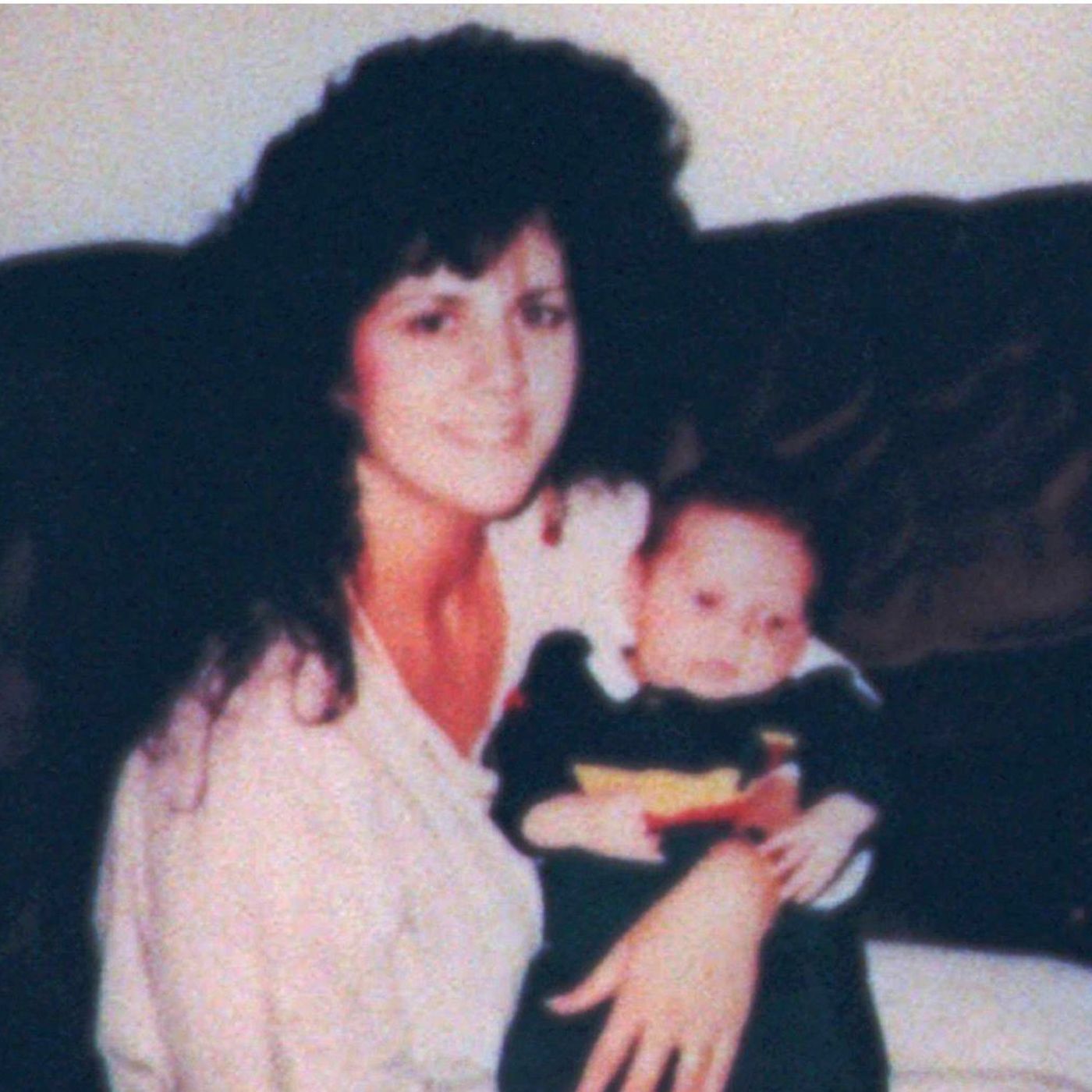
A warrant is issued for Patty’s hair and blood, and when she sees the phrase “dirty blond hair,” she objects because it doesn’t match her current appearance. The episode closes by noting that a photograph from around the relevant time shows Patty with shoulder-length, permed, dirty-blond-looking hair.
Main Takeaways
- The state’s case against Patty is being built largely through character evidence, prior bad acts, and suggestive narrative, not hard proof.
- Her alibis are stronger than investigators want to acknowledge, especially the dance club witnesses and her mother’s account.
- The prosecution increasingly relies on hair evidence to tie Patty to the crime scene.
- Patty’s personal history—abusive relationships, the death of her son, and animal cruelty charges—gets reframed as proof of dangerousness.
- The episode suggests the case is becoming less about evidence and more about whether police can force the facts to fit their theory.
Next Episode Tease
The episode ends by signaling that the prosecution still needs something stronger than narrative: physical evidence that can directly connect Patricia Rorrer to the murders, and the next installment will examine how that evidence is handled at trial.