Overview of The healthiest president of all time
This Today Explained episode (host Estet Herndon) features Ben Terris, Washington correspondent for New York Magazine, discussing his reporting on President Donald Trump’s health. Terris explains what he investigated (physical signs, behavior, doctors’ claims), what he found, and why the question of presidential health matters politically and for public trust.
Key takeaways
- There is no definitive evidence in Terris’s reporting that Trump has dementia or is imminently incapacitated — but there are observable signs that raise questions.
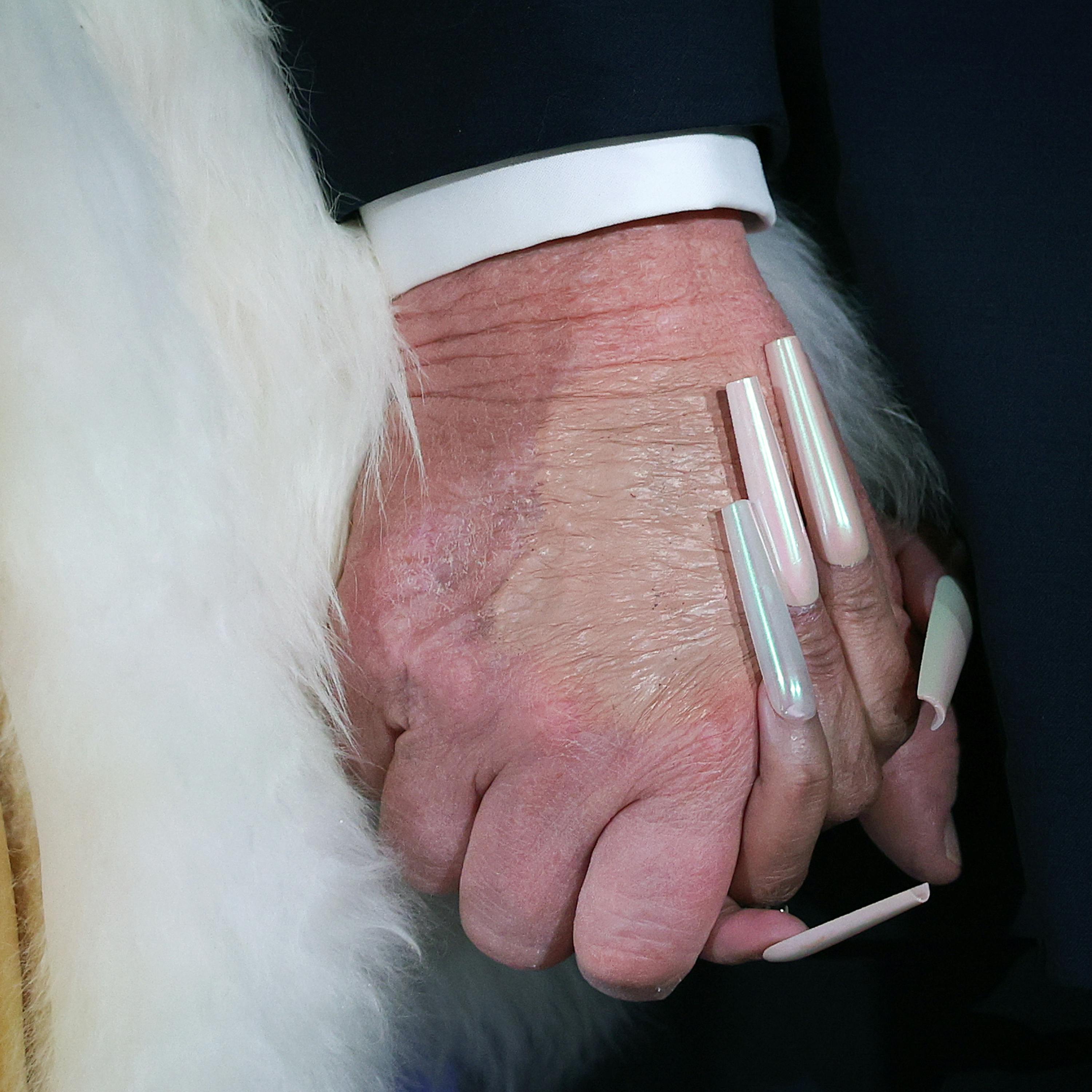
- Observable concerns include: discolored/bruised hands, swelling in lower legs (“cankles”), heavy-lidded/falling-asleep moments in meetings, more rambling speech, and an unhealthy diet and lifestyle.
- The White House presents a highly curated narrative: aides, doctors, and allies commonly amplify claims that Trump is exceptionally healthy — sometimes in ways Terris describes as staged or theatrical.
- Trump’s explanation for bruising: a high-dose aspirin regimen to keep “thin blood,” plus many handshakes (and allegedly cuts from rings/fingernails). Doctors Terris spoke with endorsed the aspirin explanation but the cause can’t be independently confirmed.
- Official medical checks: White House doctors claim tests (including an EKG with AI analysis) show Trump’s heart age around mid-60s; doctors publicly asserted he’s “as healthy as he says he is.”
- The reporting experience felt surreal to Terris — a sequence of performances and rehearsed talking points rather than open, verifiable disclosure.
- Public perception matters: Terris argues the perceived health of the president and the perceived health of the presidency reinforce each other; narrative control is therefore politically important.
Evidence and examples discussed
- Physical signs:
- Bruising/discoloration on the back of Trump’s hand; Terris personally noticed this during a handshake.
- Swollen lower legs recently prompted a White House medical checkup.
- On-camera heavy-lidded moments and reported dozing during meetings.
- Lifestyle factors:
- Diet: frequent fast food, reportedly avoids vegetables, large Diet Coke consumption.
- Exercise: little reported exercise; Trump reportedly believes genetics matter more than lifestyle.
- Medical claims:
- Trump claims impeccable memory; aides laud his memory as “unparalleled.”
- Trump’s own comment: he’s “healthier than he was 40 years ago” and sees no reason to change habits because he reached the Oval Office as-is.
- Doctors at the White House: presented talking points, described him as healthy; one doctor (previously worked for Obama) reportedly said Trump is healthier than Obama when asked directly.
- AI-derived EKG age: cited as about 64–65 years old (per the doctors’ summary).
- Behavior of aides:
- Terris describes many aides and allies staging performances that inflate Trump’s vigor and downplay worrying signs (e.g., explaining dozing as a “thinking pose” or “listening mechanism”).
- Some aides aggressively protect the narrative; Terris reports a first comment from Trump threatening to sue if he didn’t like the story.
Notable quotes
- From Trump (as recounted): “I don’t have it” (referring to Alzheimer’s), after fumbling the word and being helped by a press aide.
- Terris on the White House atmosphere: “It felt like a series of plays that were put on just for me.”
- Trump to Terris: “Why would I change anything? We’re in the Oval Office right now. Like why would I change my diet?”
- On bruising: Trump said he takes aspirin to keep “thin blood,” which explains easy bruising.
- Terris on the political effect: “As long as people think Donald Trump is weak, he will become weak. And as long as people think Donald Trump is strong, he will become strong.”
Reporting methods and limitations
- Terris interviewed Trump, White House staffers (including Marco Rubio), press secretary Caroline Levitt, and White House doctors, plus background sources around Washington.
- He notes much of what he saw was tightly choreographed; many sources used talking points.
- Nothing in the reporting provided a medical “smoking gun” (no definitive diagnosis or proof of cognitive decline).
- Terris repeatedly emphasizes he is not a doctor and cannot medically diagnose Trump.
Why this matters
- Presidential health is both a medical and political issue: appearance and narrative control influence public confidence and political power.
- Lack of transparency or perceived staging can erode trust and feed polarization — each side fills gaps with their preferred narrative.
- Monitoring: Terris suggests watching (a) Trump’s ability to control narratives, (b) continued physical signs and medical disclosures, and (c) how the public and swing voters respond.
What to watch next (recommended indicators)
- Additional medical releases or independent exams from credible physicians.
- Any changes in public appearances: stamina, speech coherence, visible swelling or bruising.
- How aides and the White House adjust messaging if new questions arise.
- Polling shifts and media coverage reacting to health-related incidents.
Bottom line
Ben Terris’s reporting finds real, observable reasons to question parts of Trump’s health narrative, but nothing conclusive medically. The larger story is political and cultural: the White House’s performance-driven information environment, the role of aides and doctors in managing impressions, and how perception of the president’s health affects his political power.