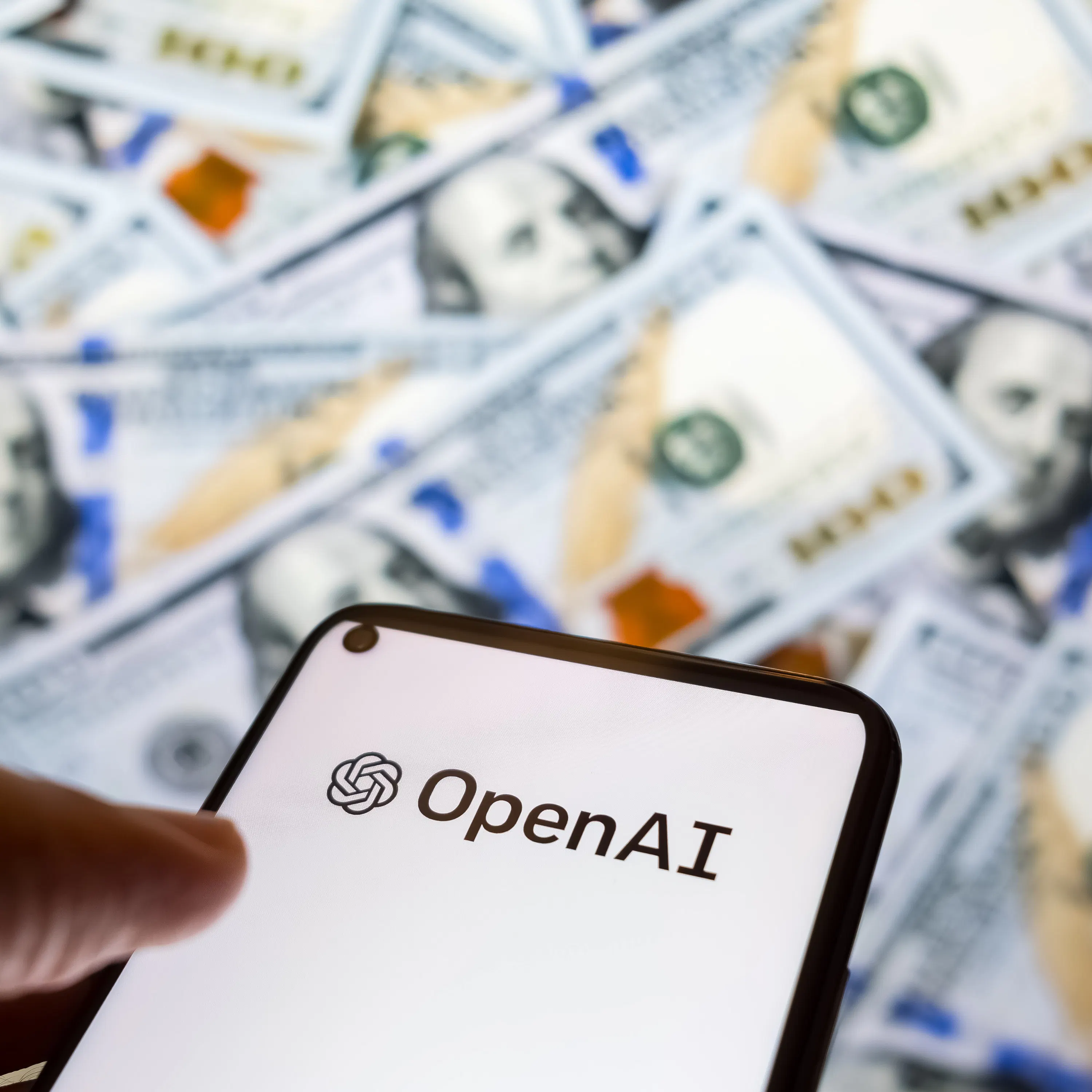
Overview of Today Explained: "OpenAI owes us $180 billion"
This Today Explained episode (Vox) examines OpenAI’s transformation from a nonprofit AI lab into a mixed corporate structure, the claim that the nonprofit arm controls roughly $180 billion in OpenAI equity, and the controversy over whether that wealth will — or should — be distributed as charitable resources. The episode explains the corporate history, what the OpenAI Foundation promises, and features critics who argue the structure creates legal and ethical conflicts that could prevent genuine, independent philanthropy.
Key takeaways
- OpenAI began in 2015 as a nonprofit founded to build AI “for the benefit of all humanity.” Major founders included Sam Altman and Elon Musk.
- The rise of ChatGPT and massive compute costs pushed OpenAI to create for‑profit financing vehicles (a “capped‑profit” arm) and later to restructure again in 2024 toward a public benefit corporation plus a foundation.
- The nonprofit/ foundation side reportedly controls about $180 billion in OpenAI shares and has pledged large charitable commitments (reported initial pledge of $25 billion and priority areas such as health and “AI resilience”).
- Critics say the OpenAI Foundation’s board is nearly identical to the company’s board, raising serious conflicts of interest and doubts about the foundation’s independence.
- So far, OpenAI’s philanthropic spending has been small by comparison (cited $40.5 million in community grants, ~0.02% of $180B).
- Legal critics argue California nonprofit law requires the nonprofit mission to be primary; they say OpenAI’s structure lets for‑profit interests dominate and may violate the law — but there’s no definitive court ruling yet.
- The debate also touches on ethics and public safety: questions about Pentagon contracts, lobbying against state AI safety measures, and whether industry‑funded research can be independent.
Background and timeline (concise)
- 2015: OpenAI founded as a nonprofit to develop safe AGI for humanity’s benefit.
- Mid/late 2010s–2022: ChatGPT and large‑scale models emerge; compute and talent costs skyrocket, pushing the organization to seek investor capital.
- Transition: OpenAI created a capped‑profit subsidiary to accept investment while keeping nonprofit oversight.
- 2024: Formal restructuring to disentangle nonprofit and for‑profit sides: a for‑profit corporation (structured as a public benefit corporation potentially able to raise more capital) and a foundation (the former nonprofit) tasked with grantmaking and oversight.
- Controversy continues around how independent and accountable the foundation will be.
What the $180 billion means and current philanthropy
- The figure refers to the not‑for‑profit/foundation’s stake in OpenAI equity — a large paper value that theoretically could fund major philanthropic work.
- OpenAI announced priorities for foundation giving (health research like Alzheimer’s, AI resilience, community funding).
- Practical payout so far is tiny relative to the claimed stake (example cited: $40.5M in community grants).
- The foundation has promised major sums (reportedly an initial $25B commitment), but details, timing, and the mechanism of distribution remain unclear.
Main criticisms and legal/ethical concerns
- Board overlap and conflicts of interest:
- The foundation’s board is mostly identical to the corporation’s board (only one member differs at time of reporting), raising concerns that decisions won’t be independent.
- OpenAI’s response: they have conflict‑of‑interest policies and say professionals can separate roles.
- Nonprofit law argument:
- Critics (represented in the episode by Catherine Bracy of TechEquity) argue California nonprofit law requires the nonprofit mission to be prioritized and that OpenAI’s structure effectively subordinates mission to profit.
- They claim OpenAI may be violating nonprofit obligations and challenging whether the AG will enforce those laws.
- Influence over scientific research:
- Concern that foundation‑funded research could be biased if the foundation’s outcomes affect the corporation’s commercial interests (analogy to industry‑funded research in tobacco, alcohol, soda).
- Public safety and accountability:
- Public controversies cited include Pentagon contract negotiations, lobbying against state AI safety rules (favoring federal policy), and other contentious decisions that make critics question OpenAI’s commitment to public good over market dominance.
- Comparison to other firms:
- Skepticism that the foundation will operate differently from typical corporate philanthropy arms (e.g., Google.org) and might be more marketing/market‑building than genuinely independent charity.
Notable quotes / claims from the episode
- “We thought this technology ... belongs to humanity as a whole. You should not trust one company and certainly not one person with it.” — on OpenAI’s original nonprofit rationale.
- “$40.5 million is about 0.02% of $180 billion.” — illustrates small current payouts vs. claimed resource.
- “Every day that OpenAI exists, they are violating the law.” — strong claim from a critic arguing the nonprofit mission has been subordinated to profit (note: legal outcome unresolved).
- Critics warn: industry‑funded research shouldn’t be the final word on discoveries that have commercial value to the funder.
Who’s featured / perspectives
- Vox’s Sarah Herschander: explains the institutional history and current structure.
- Catherine Bracy (TechEquity): key critic arguing the structure is legally and ethically problematic and that the foundation lacks independence.
- OpenAI: contacted but no substantive response quoted in the episode regarding legal criticisms.
What to watch for next (actionable points / suggested followups to monitor)
- Board changes and governance: whether the foundation board becomes more independent.
- Actual disbursements from the foundation: speed, recipients, transparency, and if funding decisions appear tied to corporate interests.
- Legal developments: any enforcement action or litigation by the California Attorney General or other parties about nonprofit law compliance.
- Policy and safety commitments: whether OpenAI’s public safety positions, contracting (e.g., with defense), and lobbying stances change.
- Independent research outcomes: transparency of studies funded by the foundation and safeguards to prevent conflicts of interest.
Bottom line
OpenAI’s claimed $180 billion in nonprofit‑controlled equity raises enormous potential for public benefit but also significant red flags about independence, governance, and legal compliance. The episode lays out the origins of the promise, the limited evidence of meaningful disbursements so far, and why critics worry the foundation may act more like a corporate philanthropy arm than an independent steward of public goods. Courts, regulators, and future governance moves will be decisive in determining whether that money truly serves public benefit.