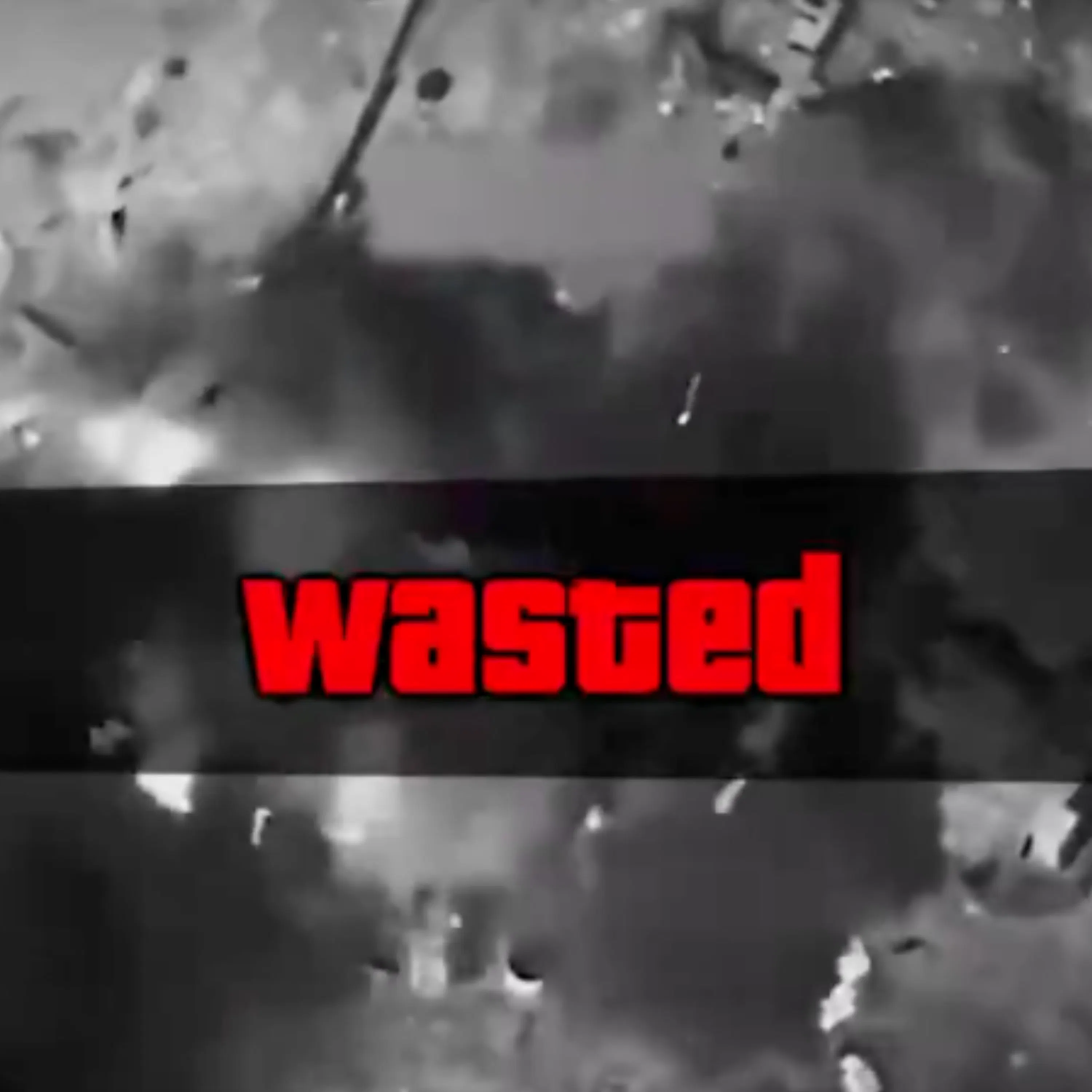
Overview of Meme warfare (Today Explained — Vox)
This episode examines how propaganda around the Iran conflict looks and works in 2026 — from White House meme-videos that splice video-game and Hollywood footage, to a network of X/Twitter accounts pushing pro-Iran content and AI deepfakes. Guests (Nick Cull, a propaganda historian at USC Annenberg, and Will Arimus of The Washington Post) explain the goals of wartime messaging, how modern digital forms differ from historical examples, who these messages target, and what real effects they may have on public opinion and geopolitics.
Key takeaways
- Wartime propaganda still pursues three classic goals: rally your population, persuade allies (or create new ones), and demoralize the enemy.
- The current wave of messaging is notable for memification and gamification: war is being packaged as clips from video games, Hollywood films, and meme culture.
- These meme-y, gamified messages are often aimed at a narrower demographic (young men, gaming culture) rather than a broad “convince everyone” public-relations push.
- Foreign actors (likely Iranian state media talking points, via networks of accounts) have found traction by exploiting U.S. cultural fissures — especially distrust around the Epstein material — using deepfakes and viral formats.
- Disinformation rarely invents beliefs; it amplifies and weaponizes existing doubts and narratives. That makes it especially effective at inflaming divisions rather than converting the unconvinced.
- There is uncertainty about who exactly operates some of the viral accounts; platform signals like X’s blue check are unreliable markers of authenticity.
How wartime propaganda functions (condensed)
- Rally domestic support: create moral framing (historical examples: Wilson’s “make the world safe for democracy,” FDR’s “four freedoms,” Bush framing Iraq as restoring order).
- Persuade allies: show moral/strategic justification to sustain or gain support.
- Demoralize/deter the enemy: present overwhelming strength or narratives that break will to resist.
What’s different now
- Memification/gamification: Official channels (e.g., the White House under Trump-era communications) are using gaming clips, movie scenes (Braveheart, Gladiator), SpongeBob snippets, and montage-style edits — turning war messaging into meme content.
- Targeted cultural language: These videos use references and aesthetics tied to younger, male-dominated gaming/“edgy” internet culture; they’re crafted to energize a base rather than persuade the general public.
- AI-driven deepfakes and viral distribution: Pro-Iran networks posted AI-manipulated videos (notably a false, sexually disturbing deepfake of Trump tied to Epstein themes) that went massively viral by aligning with an existing narrative in the U.S.
- Platform dynamics: Paid verification and platform policies complicate source-tracing; a blue check no longer reliably signals authenticity.
Notable examples cited
- White House meme videos combining video-game footage and Hollywood clips, sometimes using nostalgic or violent-sounding pop-culture tracks (e.g., a “Bomb Iran” parody used in a White House post).
- Viral AI deepfake posted by a network of X accounts: fabricated footage implying Trump in a compromising situation with young girls (framed as Epstein-related) — this content gained millions of views.
- Pro-Iran posts claiming exaggerated battlefield successes (captured B-2s, Tel Aviv strikes) and anti-Semitic content from the same account network.
- Rebranding of U.S. operation name as “Operation Epstein Fury” (a memetic twist used by propagandists).
Impact on opinion and geopolitics
- Persuasion is uneven: disinformation tends to reinforce existing beliefs rather than convert large numbers. People predisposed to certain views use viral content as “proof.”
- Strategic side-effect: the chaotic, meme-driven U.S. messaging can make China appear as the stable, “adult” diplomatic actor — which could shift influence among global-south countries and uneasy European partners.
- Propaganda’s most effective mode is exploitation of pre-existing cultural/political rifts (e.g., distrust over the Epstein files), not invention of entirely new grievances.
Who’s behind it — and what’s unknown
- Content analyzed aligns closely with Iranian state talking points, but definitive attribution of the viral account network is unresolved.
- Many amplification accounts have platform verification that merely reflects subscription status, not verified provenance.
- Both state actors and domestic political actors (including the U.S. administration) have used AI/manipulative media, complicating moral claims about who “started” such tactics.
Practical takeaways / how to interpret these messages
- Don’t assume viral = verified: highly shareable content often plays to emotion and pre-existing narratives; verify via reputable outlets before accepting.
- Check provenance: platform signals (paid checks, follower counts) can be misleading; look for corroboration from independent reporters and intelligence/public-affairs statements.
- Recognize motive: ask who benefits from a particular narrative — internally (rallying a base) or externally (shaping international perception).
- Be aware of wedge tactics: messages that amplify existing societal fractures (conspiracy hooks, cultural anxieties) are intentionally tailored to deepen divisions.
Notable quotes from the episode
- “Propaganda has three objectives in wartime: rally your own population, persuade allies, and demoralize your enemy.” — Nick Cull
- “This is a memification of war, a gamification of war.” — Nick Cull
- “They’ve been created by young men for young men.” — Nick Cull (on the targeted cultural language)
- “The stuff that resonates the most is not something that just sort of comes out of the blue. It’s picking up on an existing rift.” — Will Arimus
Sources and credits
- Episode: Today Explained (Vox). Guests: Nick Cull (USC Annenberg), Will Arimus (The Washington Post). Reporting and production credited to Vox/WNYC team members as noted in the episode.