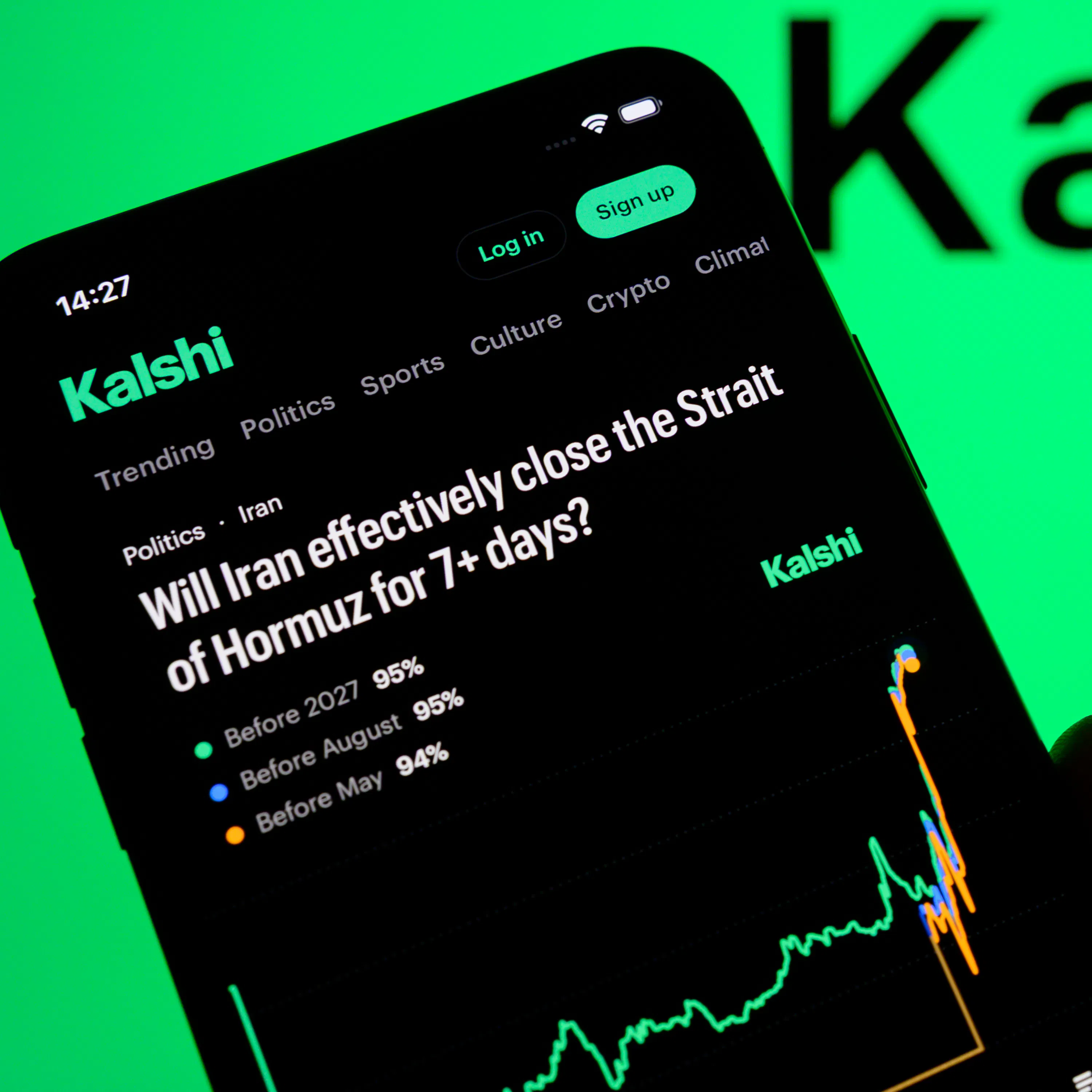
Overview of Betting on the Iran war
This episode of Today Explained (Vox) examines the rise of real-money prediction markets that let people bet on war-related events — including strikes, leadership changes, and whether U.S. forces will enter Iran — and the ethical, legal, and societal fallout. Reported examples, interviews (notably Kate Nibbs from Wired and Hannah Erin Lang from the Wall Street Journal), and recent episodes of suspicious trading illustrate how these markets can reward insiders, distort incentives, and provoke public outrage.
Key takeaways
- Prediction markets (Polymarket, Kalshi/“Calci” discussed) now offer contracts on war outcomes — who will be struck, when the Strait of Hormuz reopens, whether leaders will be removed, etc.
- Most traders lose money; a very small subset have made outsized gains (sometimes millions), often via accounts created shortly before large, precise bets — suggesting possible insider information.
- The practice raises deep ethical concerns: betting on deaths and military actions feels morally repugnant to many, and can create perverse incentives if people with influence act to profit from markets.
- Legal/regulatory status is unsettled. Prediction markets operate in murky jurisdictions (crypto-enabled, often outside the U.S.), while U.S. regulators like the CFTC claim authority — and numerous state suits and lawsuits are pending.
- Platforms are trying to widen user bases (e.g., Kalshi’s push to attract women), partly to reshape public perception away from war-focused headlines and toward entertainment, weather, and politics markets.
Topics discussed
- How prediction markets work and the breadth of contracts available (war, politics, pop culture, sports, crypto prices).
- Real-world examples: markets on Ali Khamenei’s tenure/successor, “Will U.S. forces enter Iran by March 31?”, Strait of Hormuz traffic returning to normal, and micro-examples like Bachelorette/Coachella/Taylor Swift.
- Insider trading concerns: suspicious wallets, last-minute large bets, and the practical difficulty of policing “non-public material information” in these markets.
- The moral dimension: commodifying human harm and death versus claims that markets provide useful, crowd-sourced information.
- Demographics and platform strategy: prediction markets skew male (sports/crypto/finance overlap); Kalshi says women rose from ~13% to ~26% of users after targeted outreach.
- Regulatory posture: CFTC asserting jurisdiction; Trump administration ties (Donald Trump Jr. as advisor, Truth Predict plans); 50+ lawsuits and potential state-level actions.
Notable examples & anecdotes
- Emmanuel Fabian (Times of Israel) received threats after reporting about a missile outside Beit Shemesh; attackers were upset because their betting positions lost money.
- New wallets created days before the war placed high-stakes bets and profited when events unfolded — patterns many trackers call “suspicious” and potentially insider trading.
- Polymarket CEO’s controversial defense: markets might help people avoid harm by signaling likely targets (critics find this implausible and morally fraught).
- Israel reportedly investigated two people for trading on a market; no major arrests in the U.S. have been publicized so far.
Legal & regulatory landscape
- Prediction markets exist in a legal gray area: some platforms operate outside U.S. jurisdiction or use crypto to skirt local rules.
- CFTC chair Michael Selig has asserted federal regulatory authority over swaps-like event contracts and pushed back against state attempts to regulate them.
- Trump-era political connections (advisors, planned platforms) may shape policy; outcomes of many ongoing lawsuits will affect whether platforms can continue as-is.
- Enforcement around insider trading in prediction markets is conceptually similar to securities law but practically fuzzier because “insider” and “material non-public information” are harder to define for events like wars or pop-culture outcomes.
Ethical concerns and risks
- Moral outrage: betting on whether people live or die is widely considered repugnant and dehumanizing.
- Perverse incentives: actors who can influence events (military personnel, officials, journalists, insiders) could profit from manipulating outcomes or markets.
- Misinformation & panic: market signals could be misunderstood or exploited, potentially causing harm rather than informing safety decisions.
- Market concentration: a tiny percentage of users make the largest gains, often via privileged access or suspicious timing.
Platform responses and business strategy
- Kalshi/Calci is actively recruiting more diverse users (events, influencers, targeted social campaigns) to broaden the crowd and shift public perception toward more benign markets (entertainment, weather, politics).
- Some founders/CEOs defend markets on “wisdom of crowds” grounds; many journalists and observers remain unconvinced, especially for conflict-related markets.
Notable quotes
- “It’s not a prediction if you know it’s going to happen.” — on insider-informed trades.
- Polymarket CEO’s pro-market defense (paraphrase): markets could warn people where bombings are likely and allow them to shelter — an argument critics find implausible and ethically thin.
- “Most people who are participating in these markets are actually losing money. The winners are a tiny slice.” — highlighting winner concentration.
What to watch next / implications
- Legal outcomes: pending lawsuits and CFTC actions will determine whether these platforms are curbed or continue largely unchanged.
- Investigations into suspicious trading: evidence of insider trading or prosecutions would change the narrative and potentially prompt stricter rules.
- Industry response: platform policies (bans on certain markets, KYC, stronger surveillance) could evolve if public pressure or regulation increases.
- Public debate: continued moral backlash could push mainstream payment/hosting partners, advertisers, or app stores to distance themselves from war-related contracts.
Quick summary for someone who skipped the episode
Prediction markets now let people bet on war events, producing ethical outrage and signs of potentially insider-driven profits. Regulators, journalists, and platforms are scrambling to respond: platforms claim benefits from crowd wisdom, critics point to concentrated winners, insider risk, and the moral harm of commodifying human suffering. Legal outcomes and public pressure will determine whether these markets will be restricted, normalized, or reshaped.
Credits: reporting includes interviews and research from Wired (Kate Nibbs), the Wall Street Journal (Hannah Erin Lang), and examples from Times of Israel (Emmanuel Fabian), as discussed on Today Explained.