Overview of The culture wars turn deadly
This Vox Today Explained episode examines how U.S. political decisions are undermining decades of progress in the global fight against HIV/AIDS. The episode centers on the Trump/Musk-era cuts to foreign aid and their impact on PEPFAR, the landmark AIDS program launched under George W. Bush, while also exploring the still-promising path toward an HIV vaccine. The central tension: the science is increasingly capable, but the politics are moving backward.
PEPFAR: One of the Biggest Public Health Successes
How the program began
- In 2003, amid a global HIV/AIDS crisis, George W. Bush committed $15 billion to a new U.S. initiative: PEPFAR (the President’s Emergency Plan for AIDS Relief).
- The program was built with input from medical experts, including Anthony Fauci.
- Over time, PEPFAR became one of the most consequential U.S. global health programs ever created.
What it achieved
- PEPFAR is credited with saving an estimated 25 million lives.
- It also prevented millions more HIV infections through testing and prevention services.
- The episode frames it as a rare bipartisan success story, supported by every administration from Bush through Biden before the recent rollback.
How the Culture Wars Reached HIV Prevention
The Trump administration’s changes
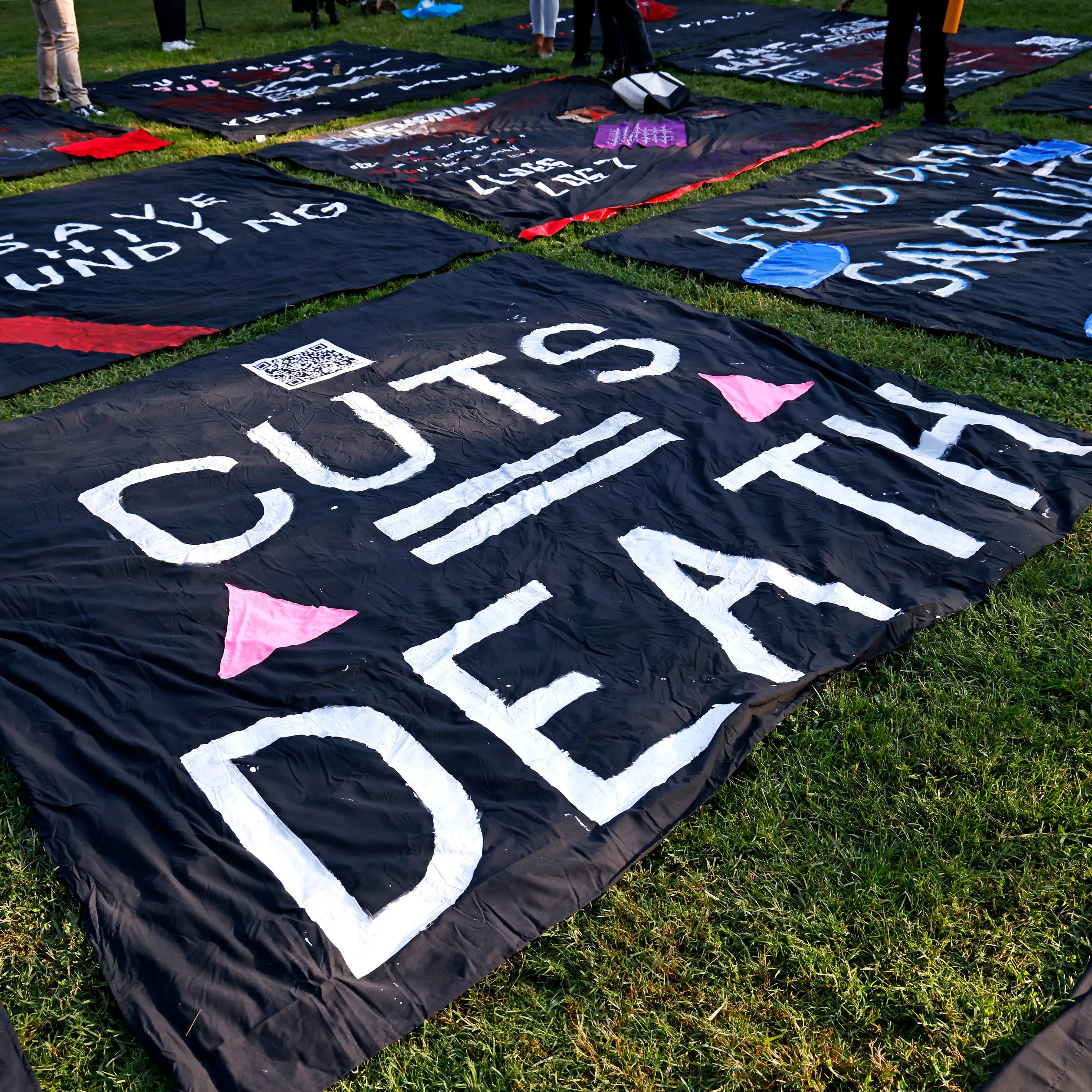
- Under Trump, and especially with Elon Musk’s influence through DOGE-style cuts, U.S. foreign aid was sharply reduced.
- PEPFAR was not abolished, but it was reshaped and weakened:
- less funding
- reduced prevention services
- disruptions to treatment access
- disproportionate harm to high-risk communities
Who was hit hardest
- The transcript highlights especially severe effects on:
- young women and teen girls
- sex workers
- LGBTQ communities
- organizations serving gay and bisexual men
- More than 90% of organizations serving gay or bisexual men reportedly had to cut PrEP services.
The policy mechanism: the expanded gag rule
- A long-standing foreign-aid rule, the Mexico City policy / global gag rule, traditionally targeted organizations connected to abortion.
- The Trump administration broadened it dramatically to include organizations that:
- mention abortion
- are accused of promoting gender ideology
- are accused of supporting DEI
- This led to bizarre compliance pressure and restrictions that, in practice, affected HIV prevention and treatment for vulnerable groups.
Why This Matters: Prevention Is the Difference
Core prevention tools being cut
- Condoms
- PrEP (pre-exposure prophylaxis, a pill that helps prevent HIV)
- HIV testing
- Specialized outreach for high-risk populations
Main takeaway
- The episode argues that ending AIDS is no longer primarily a scientific challenge.
- Instead, it is now a question of political will, inequality, and access.
“The question is no longer whether we can end AIDS. The question is whether we choose to end AIDS.”
The HIV Vaccine: Real Hope, Real Obstacles
Why researchers are more optimistic now
- Scientists are closer than ever to understanding how to build an effective HIV vaccine.
- Early efforts focused on the virus’s envelope protein, but that approach failed because HIV mutates rapidly and hides the most important immune targets.
What changed
- Researchers now believe they need to:
- guide the immune system step by step
- expose it to the right sequence of viral components
- stimulate rare but powerful broadly neutralizing immune responses
- This approach requires multiple staged components, often over months or years.
Why funding and technology matter
- The field is in a trial-and-error phase, requiring small studies before larger trials.
- mRNA technology could accelerate this process because it allows vaccines to be redesigned quickly between rounds of testing.
- But mRNA itself has become politically controversial, complicating research support.
A Hopeful but Fragile Path Forward
What could still happen
- Even after setbacks, the episode stresses that some damage can be repaired.
- Research leaders believe that with enough funding and political support, an effective HIV vaccine could be developed within a decade.
What’s already happening
- One promising Africa-based vaccine trial lost key U.S. funding when USAID was dismantled.
- The effort was partially rescued by:
- the South African Medical Research Council
- the Gates Foundation
- the Wellcome Trust
- But the reduced funding makes progress slower and less certain.
Key Takeaways
- PEPFAR was one of the most successful U.S. foreign aid programs ever created.
- Trump-era cuts and ideological restrictions have severely damaged HIV prevention and treatment.
- Culture war politics are now directly affecting condoms, PrEP, testing, and specialized care.
- HIV vaccine science is closer to a breakthrough than ever, but funding is a major bottleneck.
- The episode’s core message: science can end AIDS, but only if politics stops getting in the way.