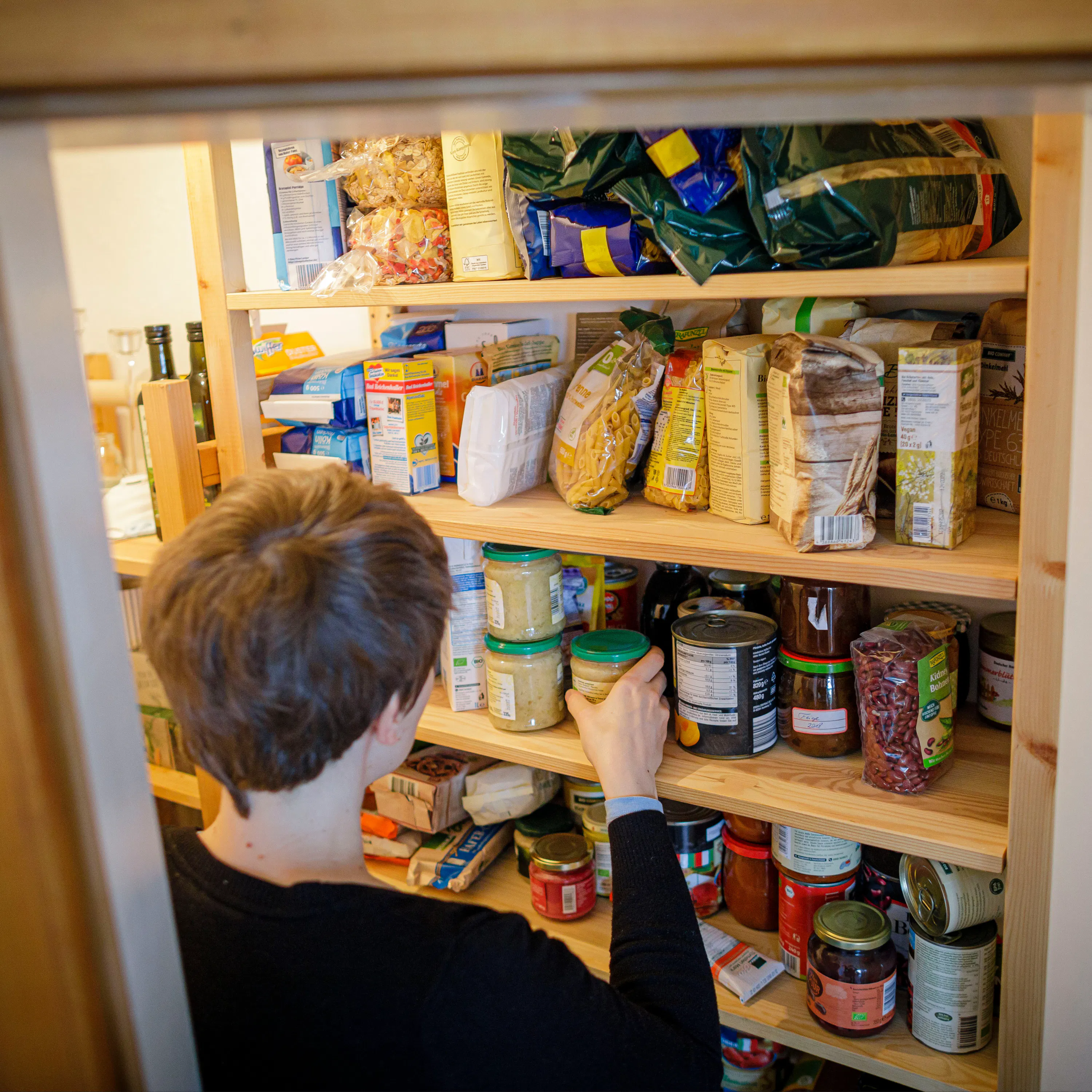
Overview of Prepping for doomsday (or Tuesday)
This Vox episode examines modern prepping without the bunker-doomsday stereotype, reframing preparedness as a practical, community-based way to handle everyday disruptions and major disasters. Host John Quillen Hill speaks with a disaster resilience expert, a sociology professor, and disaster researcher Amanda Ripley about who preppers are, what they prepare for, and how to stay calm and effective when emergencies happen.
Key Takeaways
- Prepping is not just about stockpiling guns and food. The episode challenges the common image of the prepper as a lone, armed survivalist and shows that preparedness is broader, more diverse, and often more communal.
- Community matters more than supplies alone. Multiple guests emphasize that strong social networks, trusted neighbors, and mutual support can be more important than gear or stockpiles.
- Preparedness should be practical, not fear-based. The best prep is framed as increasing your sense of agency and reducing panic—not feeding dread.
- Most people are already “prepping” in some way. The pandemic pushed many people to think more seriously about food, water, space, and backup plans.
What “Prepping” Looks Like Now
The five prepper types
Dr. Chris Ellis describes five broad groups of preppers:
- Homesteaders — focused on food security and self-sufficiency
- Sentinels — focused on self-defense, crime, or government overreach
- Interdependents — community-minded preppers who prioritize helping others and shared resilience
- Noahs — wealthy individuals with bunkers and major stockpiles
- Faithful — religiously motivated preppers preparing spiritually as well as materially
He notes these are flexible categories, and people often overlap across more than one.
The changing face of prepping
- The stereotype of preppers as mostly white men is outdated.
- FEMA survey data suggests prepping has become more demographically diverse.
- Groups that are isolated or vulnerable often have strong reasons to prepare.
Practical Preparedness Advice
The three places to prep
Ellis recommends thinking in three layers:
- Home prep
- Build resilience for staying put during outages or storms
- Aim for about 31 days of supplies if possible
- Car prep
- Keep a bag for roadside emergencies or getting home after an accident
- Work prep
- Prepare to shelter in place for 24–48 hours with basics like clothes and food
What should be in a bug-out bag
A good emergency bag should be tailored to the person, but Ellis suggests including:
- 3 days of water and food for everyone, including pets
- $500–$1,000 in cash
- Important documents in one accessible folder
- Emergency communication tools and a radio
- Medical supplies
Common-sense rather than maximalist prepping
The episode emphasizes that prepping does not require a dedicated panic room or massive hoard. It can be integrated into normal living, especially in small homes or apartments.
Urban Prepping: Small Spaces, Real Risks
Anna Maria Bounds, a sociology professor at Queens College, explains how city dwellers prep differently:
- Urban residents often have already lived through disruptions like blackouts, 9/11, the Great Recession, and the pandemic.
- City prepping is about maximizing small spaces and learning how to live with less dependence on delivery, utilities, and immediate services.
- She stores food, water, and frozen items creatively in her apartment, including a freezer disguised with wallpaper.
- In cities, preparedness often means making use of every available inch of space.
How to Stay Calm During a Disaster
Amanda Ripley explains the psychological stages people often go through in emergencies:
1. Denial
- “That did not just happen.”
- The brain resists accepting danger.
2. Deliberation
- People look to others for cues.
- We often move in groups and check with several people before acting.
3. Decisive moment
- Action finally happens, or sometimes people freeze.
She stresses that freezing or slowing down is common and more normal than the stereotype of chaotic panic.
Mental Skills That Help in Emergencies
Ripley recommends three habits:
- Build situational awareness
- Know your exits in buildings, hotels, and workplaces
- Practice using stairs and escape routes before you need them
- Know your neighbors
- Learn who is elderly, medically trained, or able to help
- First responders often arrive much later than people expect
- Use breathing to regulate stress
- Box breathing can reduce the body’s stress response
- Calming the nervous system helps preserve clear thinking and coordination
Bigger Picture: Why Prepping Matters
- Disaster deaths have declined significantly over the past 50 years, even though disasters seem more frequent.
- That improvement is partly due to better forecasting, planning, and coordination.
- Trust in institutions and communities is crucial for future resilience.
- The stronger a neighborhood, family, or school is before a disaster, the better it will recover afterward.
Final Message
The episode’s central argument is that the best form of prepping is not fear-driven survivalism, but practical readiness, emotional regulation, and community connection. In other words: prep for the everyday disruptions, build trust with the people around you, and focus on “Tuesday,” not just doomsday.