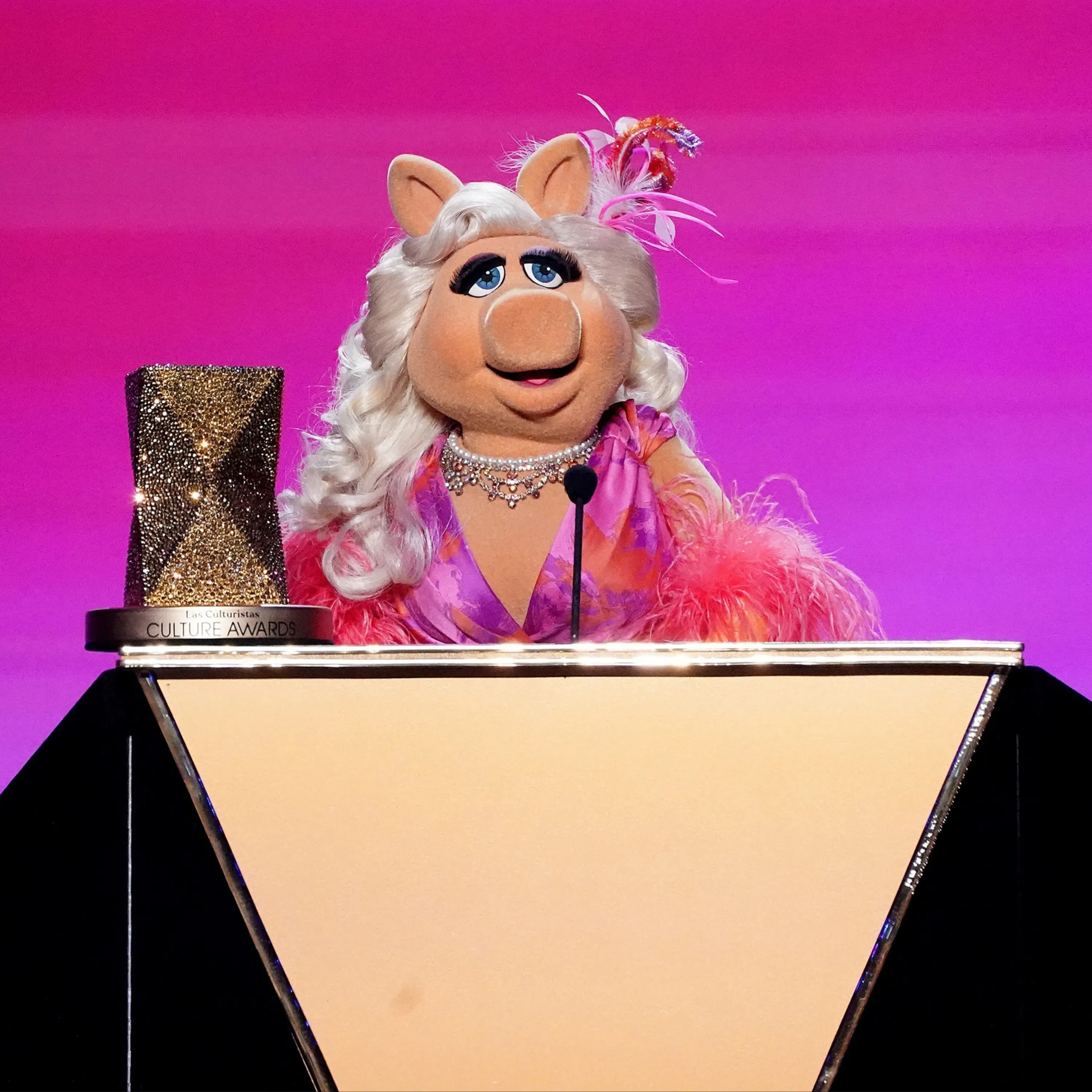
Overview of Miss Piggy, feminist diva
This Today, Explained episode explores why Miss Piggy remains such a powerful cultural figure: not as a joke, but as a symbol of unapologetic femininity, aging, glamour, and self-invention. Through conversation with critic Angelica Jade Bastien and later New Yorker writer Nomi Fry, the episode connects Miss Piggy to a broader shift in how American culture portrays middle-aged and older women on screen—from mockery and sidelining to complexity, desire, power, and authority.
Miss Piggy as a cultural icon
Angelica Jade Bastien argues that Miss Piggy has evolved from a “delusional” chorus pig into an emblem of self-made stardom.
What makes Miss Piggy distinctive
- She embodies glamour, confidence, aggression, and vulnerability all at once.
- Her character mixes:
- performative femininity
- ambition and self-regard
- comic rage
- romantic yearning
- Bastien sees her as a woman who treats herself as her greatest work of art.
Her evolution over time
- Miss Piggy first appeared in the mid-1970s as a nameless background pig.
- By the late 1970s, she had become the fuller version audiences know:
- opera gloves
- feather boa
- theatrical confidence
- a signature blend of innuendo and self-assurance
- Over decades, she became less of a punchline and more of an icon of exaggerated but aspirational womanhood.
What changed in how audiences see her
The episode argues that Miss Piggy’s transformation reflects a broader cultural shift more than a change in the character herself.
Why she works now
- Contemporary audiences are more comfortable with larger-than-life women.
- The old joke about her weight, appetite, or aggression no longer lands the same way.
- Younger viewers, especially Gen X and millennials, tend to read those traits as part of a compelling feminine persona rather than a flaw.
A key behind-the-scenes shift
- Bastien points to the handoff to performer Eric Jacobson as an important moment in the character’s endurance.
- Jacobson’s approach helped preserve Miss Piggy’s vitality without turning her into a relic.
- One especially resonant idea: Miss Piggy “didn’t have to die young like Marilyn Monroe to be eternal.”
Miss Piggy, Real Housewives, and mature women on screen
The second half broadens the discussion to how media now depicts women in midlife and beyond.
The Real Housewives effect
Nomi Fry argues that The Real Housewives helped normalize the idea of older women being:
- loud
- sexual
- messy
- ambitious
- emotionally dramatic
- fully central to the story
Twenty years ago, women in their 40s and 50s behaving this way on TV felt scandalous or “unseemly.” Now it feels much more familiar.
Earlier portrayals of older women
Before shows like Real Housewives, TV often portrayed mature women as:
- retired
- desexualized
- old before their time
- confined to “safe” or maternal roles
The episode uses The Golden Girls as a classic example of how even relatively young actresses were framed as essentially elderly.
More recent examples
- Hacks is cited as another major shift:
- a show centered on a woman in her 70s
- still complex, sexual, ambitious, and funny
- This is part of a broader change in which older women can now be portrayed as:
- desiring
- desirable
- professionally active
- emotionally complicated
Main tension: empowerment or problem?
The episode doesn’t fully settle the debate around modern portrayals of older women, especially in reality TV.
Two competing views
- Critique: The plastic surgery, glamor pressure, and “young” behavior can feel like a trap or a denial of aging.
- Defense: These shows give women over 50 a platform to express power, sexuality, and individuality in ways that were once rare.
The episode’s middle ground
Fry lands somewhere in between:
- She recognizes the appeal of women who refuse to fade quietly.
- But she also sees the exhaustion of constant beauty and age-management pressure.
- Her final note is basically a wish for relief from the endless cultural “race” around aging, beauty, and femininity.
Key takeaway
Miss Piggy endures because she represents something culture is still struggling to allow in real women: the right to be loud, glamorous, self-determined, aging, sexual, messy, and impossible to dismiss. The episode uses her to show how far media representations of mature women have come—and how much tension still remains.
Notable insight
“Miss Piggy is able to be a diva all the way down in a way real-life women kind of can’t anymore.”
That line captures the episode’s central idea: Miss Piggy gets to embody a fantasy of total feminine freedom that real women are often denied.