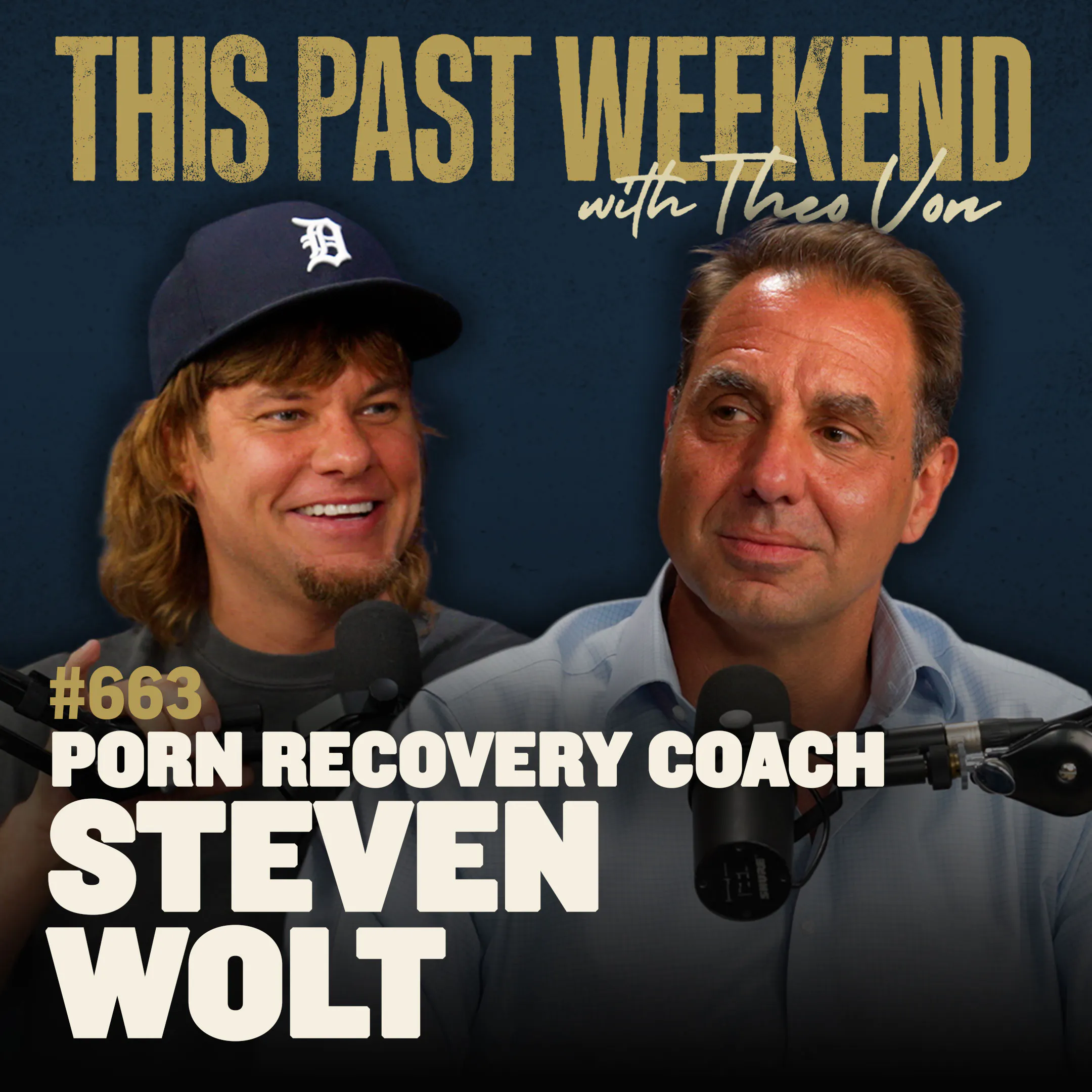
Overview of #663 - Porn Recovery Coach Steven Wolt
Theo Von talks with his longtime friend and recovery specialist Steven Wolt, founder of Valor Recovery, about porn addiction, sexual compulsivity, intimacy issues, and the broader path of healing for men. The conversation is deeply personal and wide-ranging: Steve shares his own history with pornography, how it affected his relationships and self-worth, and how recovery transformed his life, marriage, and fatherhood. Theo adds his own experiences with shame, secrecy, and intimacy struggles, making the episode both candid and relatable.
Main Topics Discussed
Porn addiction as a coping mechanism
- Steve explains that porn originally functioned as emotional relief for him:
- It reduced anxiety, loneliness, depression, and boredom.
- Over time, it became his main way to regulate emotions.
- Theo relates to this idea, describing porn/masturbation as an easier substitute for vulnerability and real connection.
How porn changes relationships
- Steve describes how heavy porn use:
- Reduced desire for real intimacy
- Made sex feel mechanical rather than connective
- Contributed to erectile dysfunction, delayed orgasm, and premature ejaculation
- Created shame and secrecy in his relationship
- Theo adds that porn can change how men behave with partners, making them less affectionate, less present, and more emotionally distant.
Porn as an intimacy disorder
- The episode emphasizes that porn abuse is often not just about sex.
- It can reflect:
- Fear of intimacy
- Avoidance of emotional risk
- Low self-worth
- Discomfort with vulnerability
- Theo shares that some of his struggles were less about compulsive porn use and more about being afraid to connect with women in real life.
Recovery is more than abstinence
- Steve strongly argues that recovery is not just “stop watching porn.”
- True recovery means:
- Building a life you don’t need to escape from
- Learning emotional regulation
- Developing healthy masculinity
- Creating real connection and purpose
- He stresses that sobriety becomes more sustainable when life itself becomes more rewarding.
Why It’s So Hard to Quit
The brain and nervous system
- Steve explains that porn hijacks the brain’s reward system.
- It becomes a shortcut for dopamine and emotional relief.
- When someone stops, they may experience:
- Irritability
- Anxiety
- Flat mood
- Low energy
- Strong cravings
- He frames this as biology and conditioning, not just willpower or moral failure.
Modern porn and social media
- The ease, privacy, and constant novelty of phones and social media make recovery harder than ever.
- Theo and Steve discuss how endless scrolling and sexualized content can act like a funnel back into compulsive behavior.
Shame and secrecy
- Both men emphasize that shame keeps people stuck.
- Secrecy fuels isolation, and isolation fuels relapse.
- The episode repeatedly returns to the idea that bringing things into the light is the start of change.
Recovery Lessons and Takeaways
1. Community matters
- Steve says men heal best in community, not alone.
- Recovery works better with:
- Men’s groups
- Coaches or therapists
- 12-step support
- Honest accountability
- Theo echoes this by talking about the value of meetings, laughter, and hearing other men say the thing you couldn’t articulate yourself.
2. Replace the behavior with a better life
- Recovery should include:
- Exercise
- Friendships
- Hobbies
- Purposeful work
- Spiritual practice
- Healthy relationships
- The goal is not just restraint, but transformation.
3. Don’t quit before the miracle happens
- Steve warns that many men give up too early because progress is slow and nonlinear.
- He encourages measuring more than sobriety days:
- Consistency
- Integrity
- Emotional stability
- Social connection
- Follow-through
- Even reducing porn use by 80–90% while building healthier habits is meaningful progress.
4. Use pain as leverage
- For people who feel they’ve hit bottom, Steve frames that moment as an opportunity:
- “Use the pain you’re in as leverage to get help.”
- Theo reinforces that real recovery often starts when someone is finally ready to ask for help.
Listener Call Themes
The episode includes call-ins from listeners dealing with:
- Porn addiction combined with alcohol use
- Relationship betrayal and compulsive sexual behavior
- Shame after losing a partner
- Questions about whether men can truly change
Steve’s responses are compassionate but direct:
- Yes, people can change.
- No, it usually doesn’t happen instantly.
- Help, structure, and accountability matter.
- Even if a relationship is damaged, recovery can still lead to a better life.
Valor Recovery
Steve explains Valor Recovery as:
- A virtual coaching program for men dealing with porn addiction and sexual compulsivity
- Built around accountability, skills, and community
- Staffed by people in long-term recovery themselves
- Focused on:
- Healthy intimacy
- Healthy sexuality
- Healthy masculinity
He positions it as a discreet and accessible option for men who may feel too ashamed to seek help locally.
Notable Takeaways
- Porn can function as emotional anesthesia.
- Recovery is about connection, not just abstinence.
- Shame and secrecy are major drivers of compulsive behavior.
- Real healing often requires community, structure, and long-term effort.
- Healthy masculinity means honesty, courage, vulnerability, and being present for others.
Memorable Quote
“Recovery is not about stopping a behavior. Recovery is about building a life you don’t need to escape from.”
Bottom Line
This episode is an honest, empathetic conversation about how porn addiction can distort intimacy, self-image, and relationships — and how recovery can rebuild a man’s life from the inside out. Theo and Steve make a strong case that healing is possible, but it usually requires community, honesty, and a willingness to replace shame-based habits with a fuller, more connected life.