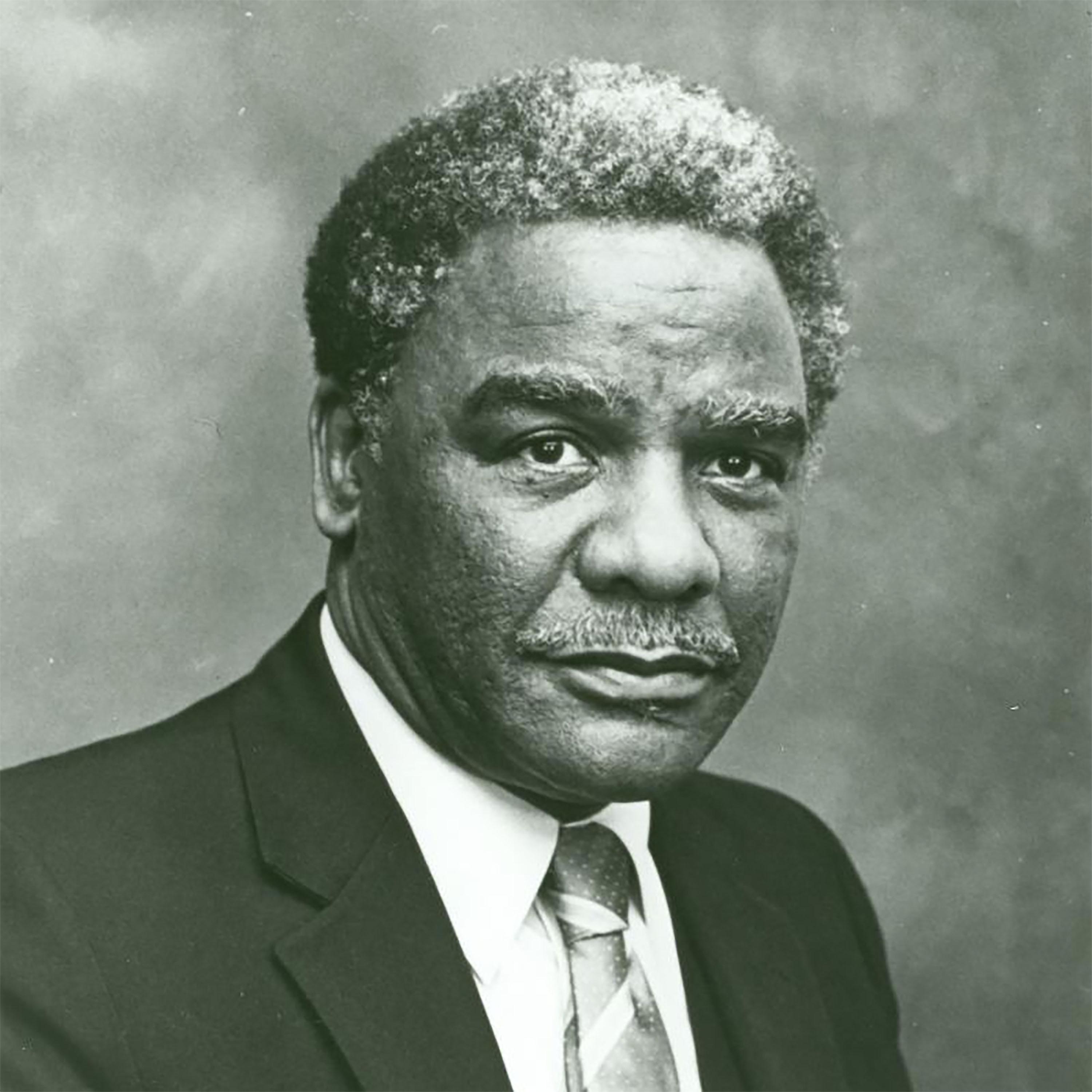
Summary — This American Life: 869 — "Harold"
Overview
This episode revisits the rise, election, and early mayoralty of Harold Washington, Chicago’s first Black mayor (elected 1983). Framed in the present-day intro as a parallel to contemporary mayoral politics, the program (originally produced in 1997) tells how Washington emerged from the Democratic machine, won broad Black support through organizing and forceful debate performances, and then endured fierce resistance from the old-line Chicago political establishment after his victory.
Key points & main takeaways
- Historical context: Chicago politics was long dominated by the Democratic machine of Richard J. Daley. That machine systematically prioritized white neighborhoods for services, while Black neighborhoods suffered neglect (housing, schools, sanitation, unemployment).
- Structural barriers: When Daley died, even established Black leaders were blocked from power (example: Wilson Frost prevented from occupying the mayor’s office), demonstrating how the machine controlled access and leadership.
- Organizing was decisive: Activists registered well over the target of new voters (Harold had asked for 50,000; organizers registered ~130,000), creating the electoral base needed for a Black mayor to be competitive.
- Debate moment: Washington’s televised primary debates were pivotal. His articulate, direct, human tone made him believable and inspiring to Black and Latino voters and distinguished him from other candidates tied to the machine.
- Rhetoric and appeal: Harold combined intellectual command, sharp rhetoric, and pragmatism. He spoke bluntly about race, power, and past mayors (notably Richard J. Daley), which energized supporters and intensified opposition.
- Post-election backlash: After his primary and election victory, the Democratic machine and many white voters/officials resisted him. The episode sets up the prolonged institutional fights he faced once in office.
- Complexity of leadership: Washington was both idealistic and pragmatic — someone who could navigate the machine enough to win but also sought to cut patronage and deliver tangible change.
Notable quotes / insights
- “I did not mourn at the bar of the late mayor. … He was a racist from the core.” — Harold Washington (about Richard J. Daley)
- “I cut it out with no emotion. Get it out, get it out.” — Washington (on removing corrupt or entrenched elements)
- “He sounded like a human being.” — Reaction to Washington’s debate performance; underscores how authenticity mattered.
- “He was like watching Michael Jordan with a basketball.” — Metaphor used to describe the exhilaration supporters felt watching him on stage.
Topics discussed
- Chicago machine politics and patronage
- Racial segregation and policy decisions (public housing, schools, highways shaping neighborhoods)
- Voter registration and grassroots organizing
- The power of debate and media in campaigns
- The contrast between machine loyalty and issue-driven politics
- Post-election resistance within the party and institutional obstacles to reform
- Harold Washington’s style: intellectual, forceful, pragmatic, charismatic
Action items / recommendations (lessons for organizers, politicians, voters)
- Invest in voter registration: sustained grassroots registration and turnout efforts can overcome entrenched political machines.
- Prepare for backlash: candidates who challenge entrenched interests should anticipate institutional resistance and plan governance strategies accordingly.
- Use public debates and media strategically: direct, articulate, human messaging can build cross-cutting credibility.
- Address structural inequities concretely: focus messaging and policy on tangible services (trash collection, sewers, policing standards) that reveal disparities and mobilize constituencies.
- Build cross-racial coalitions but don’t underestimate the role of race in political reactions — be ready to explain changes in ways that speak to broad constituencies.
Why this episode matters
The Harold Washington story is a concentrated case study of how race, machine politics, grassroots organizing, media performance, and institutional power interact in urban America. It offers practical and political lessons relevant to any campaign or reform movement confronting entrenched interests.
Suggested follow-up: listen to the full 1997 This American Life episode (the program replays the original reporting and firsthand voices) for the detailed narrative of Washington’s mayoralty and the “Council Wars” that followed.