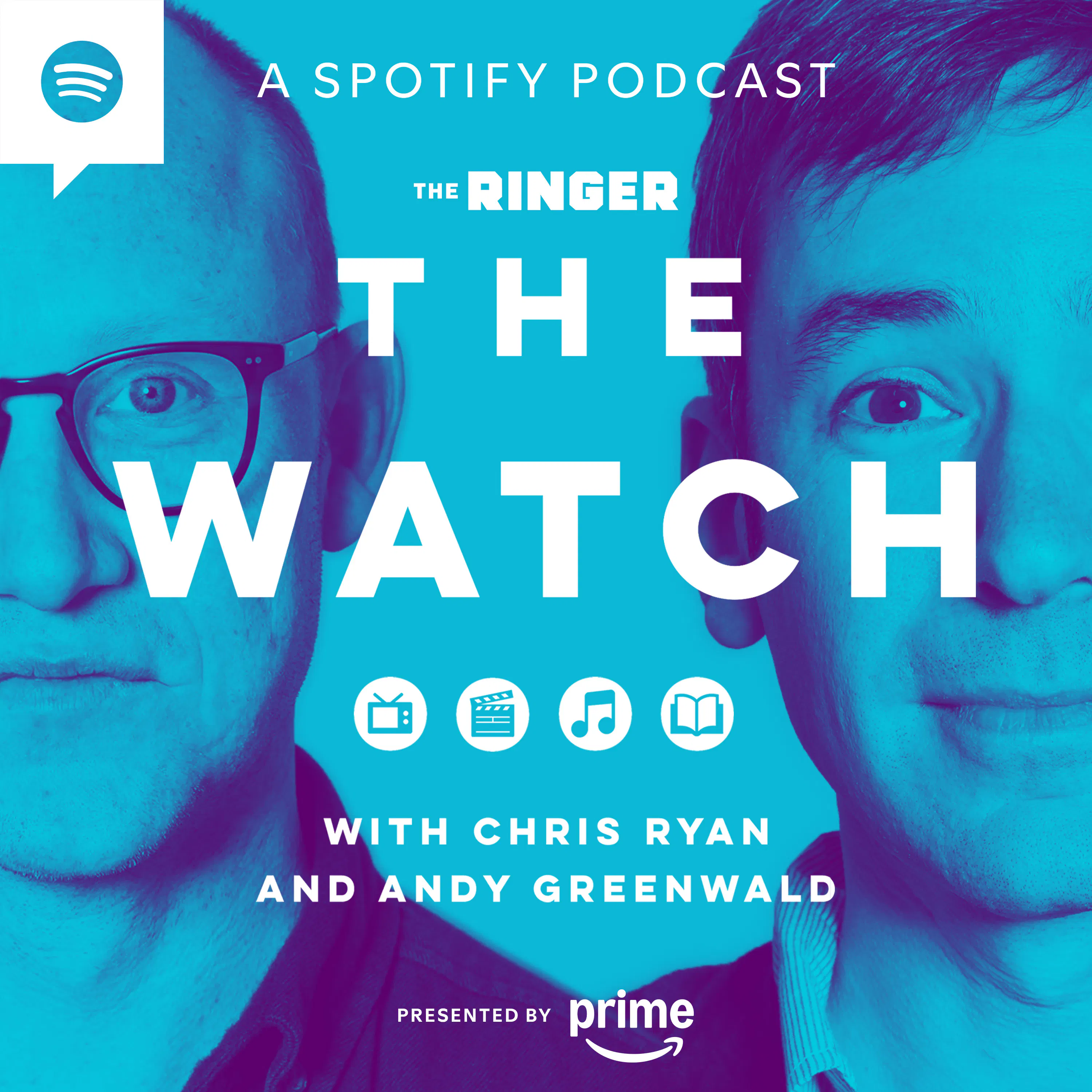
Overview of The Anthony Bourdain Special Episode
Chris Ryan and Andy Greenwald use this episode of The Watch to reflect on Anthony Bourdain’s life, work, and lasting influence ahead of the film Tony (about young Bourdain, starring Dominic Sessa). The conversation is both affectionate and unsparing: they celebrate Bourdain as a transformative writer and TV host who collapsed high/low cultural boundaries, while also acknowledging the complicated, often painful legacy he left behind. They discuss how his voice shaped food media, travel journalism, and modern prestige TV, and they revisit Andy’s 2015 interview with Bourdain as a lens for understanding his evolution.
Why Bourdain Still Matters
Bourdain is presented as more than a celebrity chef or travel host—he’s framed as a cultural figure whose influence still shows up in how people eat, travel, write, and think about the world.
- He helped turn food into a gateway for stories about class, politics, history, music, and identity.
- He made it normal to treat restaurants, markets, and street food as part of the same cultural conversation as literature, film, and journalism.
- His public persona evolved from angry outsider to globally curious observer, without ever becoming polished in a conventional sense.
- The hosts emphasize that his appeal came from honesty, vulnerability, and a willingness to show uncertainty, discomfort, and change.
Bourdain’s Career Arc
The episode traces Bourdain’s rise from chef/writer to television icon:
-
Early life and writing
- Born in Manhattan in 1956.
- Fell in love with the wider world through travel and food, especially after childhood trips to France.
- Wrote novels before becoming famous for Kitchen Confidential and the New Yorker essay that preceded it.
-
Breakthrough
- Kitchen Confidential turned him into a literary and cultural phenomenon.
- His sharp, irreverent voice made him stand out in a food media landscape that was still relatively narrow.
-
Television evolution
- A Cook’s Tour introduced him to TV.
- No Reservations expanded his range and voice.
- The Layover became a fast, practical “how to hit a city” show.
- Parts Unknown became the fullest expression of his worldview, blending food with politics, film, music, and reportage.
-
Why his TV worked
- He wasn’t just showing food; he was showing context.
- The shows were built around curiosity, mood, and personal obsession.
- He often used episodes to explore writers, musicians, filmmakers, and subcultures as much as cuisine.
The Show’s Core Argument About Bourdain
He was defined by evolution, not fixed identity
One of the episode’s strongest ideas is that Bourdain’s greatness came from changing in public. He was never just “the Bourdain persona” people projected onto him.
He made “high” and “low” culture coexist
The hosts stress that he bulldozed old distinctions:
- dirty-water hot dogs and fine dining could exist in the same universe,
- a strip mall and a Michelin-starred temple could both be worthy of attention,
- and the common thread was passion, honesty, and curiosity rather than price point.
He was always more vulnerable than he seemed
Although he was often read as swaggering or fearless, the hosts argue that his work is full of discomfort:
- hesitation in unfamiliar places,
- visible disappointment when a trip didn’t go well,
- and a kind of emotional openness that became more apparent after his death.
Favorite Episodes and Why They Matter
The hosts run through a personal “hall of fame” of Bourdain episodes. A few standouts:
-
Cajun Country (No Reservations)
- One of their all-time favorites.
- Features New Orleans/Cajun food culture after Katrina, with Wendell Pierce.
- Captures Bourdain’s love for communal food traditions and deeply local expertise.
-
Spain (No Reservations)
- A pilgrimage through Spanish food culture with Ferran Adrià and the Arzak family.
- Shows how much Bourdain wanted to disappear into certain places and live there.
-
Quebec / Joe Beef episode (Parts Unknown)
- A maximalist, indulgent food episode that plays into his love of culinary weirdness.
-
Charleston with Sean Brock (Parts Unknown)
- Highlights his easy chemistry with chefs he genuinely liked.
- Includes the now-famous Waffle House visit.
-
U.S. Desert / Joshua Tree with Queens of the Stone Age (No Reservations)
- A hybrid of food, music, and desert culture.
- Perfect example of Bourdain using travel TV to explore a vibe, not just a menu.
-
Beirut (No Reservations)
- Filmed as conflict was breaking out, underscoring Bourdain’s willingness to stay in difficult, unstable places.
- The hosts see it as a major turning point in his approach.
-
Iran (Parts Unknown)
- A nuanced portrait of the country.
- Notable because it included Jason Rezaian and his wife before their later imprisonment, giving the episode added historical weight.
-
Vietnam / Hanoi / Saigon
- One of Bourdain’s deepest obsessions.
- The Obama beer episode is mentioned as a cultural milestone.
- His long-held desire to live in Vietnam is described as one of his unrealized dreams.
-
Puebla, Mexico
- A favorite for its early-morning breakfast pilgrimage and its celebration of immigrant culinary labor.
- The hosts note Bourdain’s recurring truth-telling about food: brunch is bad, and many great cooks in America are immigrants.
-
Houston (Parts Unknown)
- Praised as one of his most important “America episodes.”
- Shows Houston as a diverse, underappreciated city full of great food and culture, not just highways and sprawl.
Legacy, Complications, and Posthumous Reassessment
The episode doesn’t treat Bourdain as a simple hero.
- They discuss how his public reinvention became more complicated over time.
- They acknowledge the difficult realities around fame, addiction, pressure, and personal relationships.
- They note that posthumous books and oral histories have complicated the myth:
- Laurie Woolever’s oral history book,
- Tom Vitale’s In the Weeds,
- and Woolever’s memoir Care and Feeding.
- The hosts suggest that understanding Bourdain means holding multiple truths at once: inspiration, brilliance, instability, generosity, and pain.
Notable Insights and Quotes
A few ideas recur throughout the conversation:
-
“The more I do and the more I see, the less I know.”
- This captures Bourdain’s intellectual humility and endless curiosity.
-
“Brunch sucks.”
- Mentioned as one of his enduring, half-joking food truths.
-
Chefs as communicators
- Bourdain’s insight that chefs are often among the least prepared people to be public communicators is treated as one of his sharpest observations—and also one he himself disproved.
Final Takeaway
This episode is less a standard obituary than a thoughtful reassessment of why Anthony Bourdain mattered. Chris Ryan and Andy Greenwald argue that his real legacy is not just that he showed people where to eat, but that he taught audiences how to look at the world: with curiosity, humility, taste, and a willingness to be changed by what you encounter.