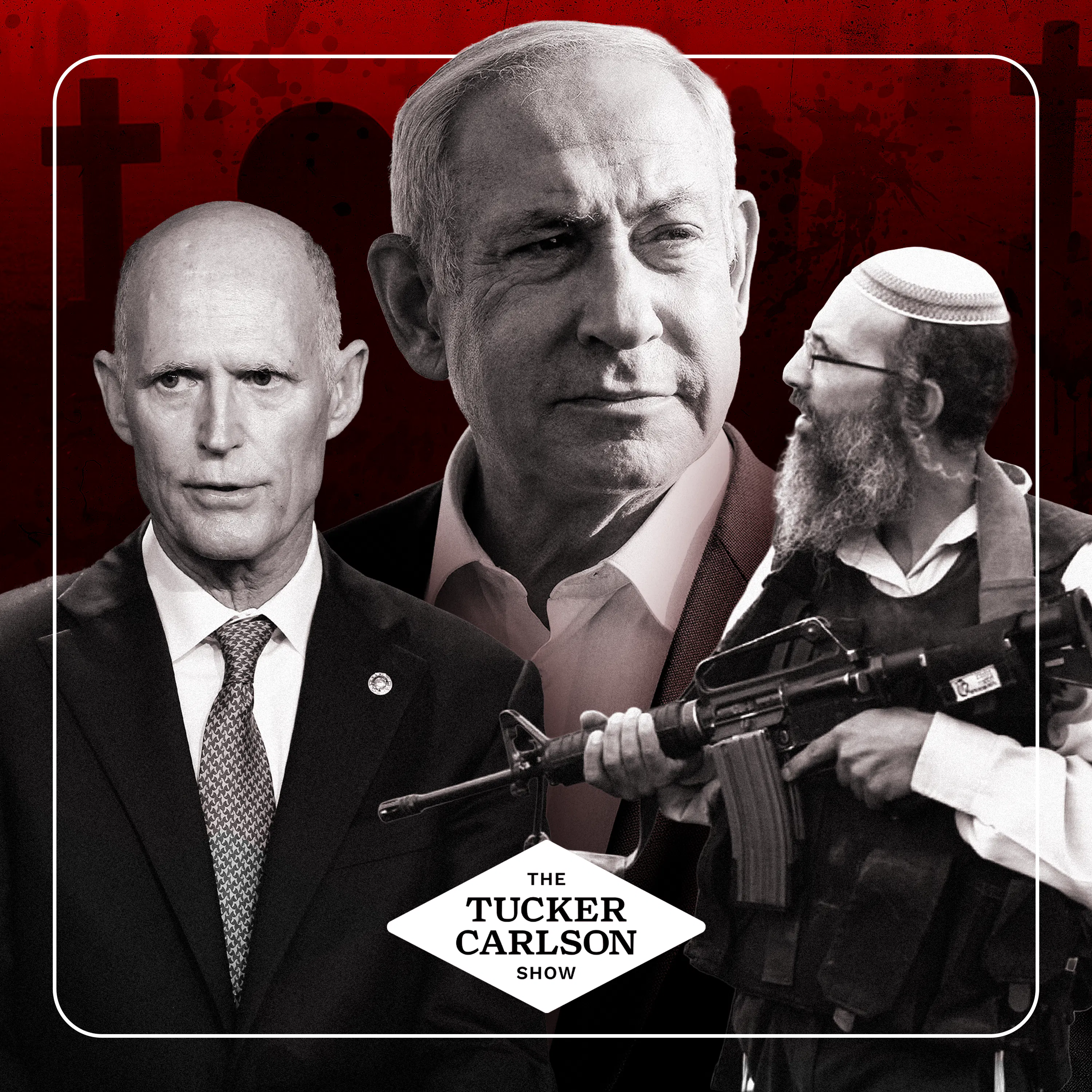
Overview of Whistleblower: Americans Are Being Murdered While Trump Does Nothing and the Media Cover-up Grows
This Tucker Carlson Network episode argues that the U.S. government and major media outlets have failed to confront attacks on Americans by Israeli settlers in the West Bank, framing the issue as a modern-day cover-up reminiscent of the USS Liberty incident. The episode centers on the killing of Florida-born American citizen Saifullah “Saif” Musallet in July 2025, then broadens into a discussion of media censorship, political pressure, and the treatment of Christians and Palestinians in the Holy Land.
Core Themes and Arguments
Historical parallel: USS Liberty
- Carlson opens by invoking the 1967 USS Liberty attack, emphasizing not only the deaths and injuries but what he calls the U.S. government’s long-running suppression of the story.
- He uses that example to argue that American leaders sometimes side with foreign governments over their own citizens.
Alleged current-day impunity in the West Bank
- The episode claims that American citizens have been killed by Israeli settlers in the occupied West Bank and that these deaths are largely ignored in U.S. media.
- Carlson says the pattern amounts to “pogroms,” using the term to describe attacks on Palestinians and, in some cases, Americans.
- The central accusation is that there is no meaningful accountability, even when the victims are U.S. citizens.
Interview: Kamal Musallet on His Son’s Killing
Who Saifullah Musallet was
- Kamal Musallet says his son Saifullah was born in Port Charlotte, Florida and worked at the family’s ice cream shop in Tampa.
- Saif was in the West Bank visiting family, hoping to spend time there and possibly find a future spouse.
What happened
- According to Musallet, settlers had been trying to block access to family land in the area since April 2025.
- On July 11, 2025, he says Saifullah and others tried to reach land their family owns.
- Musallet says around 50 settlers ambushed the group, beating Saifullah to death and attacking others; one friend was reportedly shot in the back.
- He describes a long delay before medical help arrived:
- The first ambulance was turned back after being attacked.
- A second ambulance required a permit and took about two and a half hours to reach the scene.
- Musallet says his son died just minutes before reaching the ambulance.
Lack of justice
- Musallet says no one has been punished for the killing.
- He says settlers remain on the land and continue attacking people who try to access it.
- He also says the Israeli Supreme Court ordered the settlers removed, but enforcement never happened.
Reactions from U.S. officials
- Musallet says he received a call from Mike Huckabee, who called the killing a “criminal and terrorist act.”
- He says he tried to meet with Florida Senator Rick Scott but was refused a direct meeting.
- He argues that if an American is killed abroad, the U.S. should investigate and respond aggressively, but says that did not happen in his son’s case.
Emotional and political takeaway
- Musallet says it is especially painful that U.S. tax dollars may have contributed, indirectly, to the environment in which his son was killed.
- He says his son believed deeply in his American identity and even said, “Blue is blue. American is an American.”
Interview: Stephen Harriot on Media Censorship
What happened at Zeal News
- Stephen Harriot, a former political editor at the Catholic outlet Zeal News, says he was told coverage of Israel had to be drastically reduced.
- He describes the policy shift as coming after the Napa Institute conference, where Catholic media figures, donors, and U.S. ambassador to the Vatican Brian Burch were involved.
- He says he viewed the move as a serious ethical violation and resigned because of it.
What coverage was being suppressed
- Harriot says Zeal had previously done substantial reporting on:
- settler violence in the West Bank
- mistreatment of Palestinians
- the Christian town of Taiba
- sources such as the Vulnerable People Project
- He says the new policy limited or forbade citations from those local sources.
Concerns about Taiba
- Harriot says the outlet’s new approach replaced local testimony with Israeli military statements.
- He argues that the military’s claim of creating a “closed military zone” has not protected residents and may have increased fear without stopping settler incursions.
- He says Christians in Taiba reported continued threats, movement restrictions, and settler attacks.
Broader moral framing
- Harriot frames the issue as a Christian moral crisis, not just a political one.
- He says Catholics and Christians should be in solidarity with suffering Christians in the Holy Land rather than silenced by donor or political pressure.
- He stresses that Christian reporting should not be subordinated to political calculations, especially when it concerns the birthplace of Christianity.
Final Takeaways
- The episode presents a forceful critique of U.S. government inaction and media silence around violence against Americans in the West Bank.
- Kamal Musallet’s interview is used to illustrate the human cost: a father seeking accountability for his American-born son’s killing.
- Stephen Harriot’s resignation is used to show how, according to him, pressure can reshape coverage even in explicitly Christian media.
- The broader message is that Americans are being kept unaware of violence, censorship, and political complicity involving Israel, Palestinians, and Christian communities in the Holy Land.