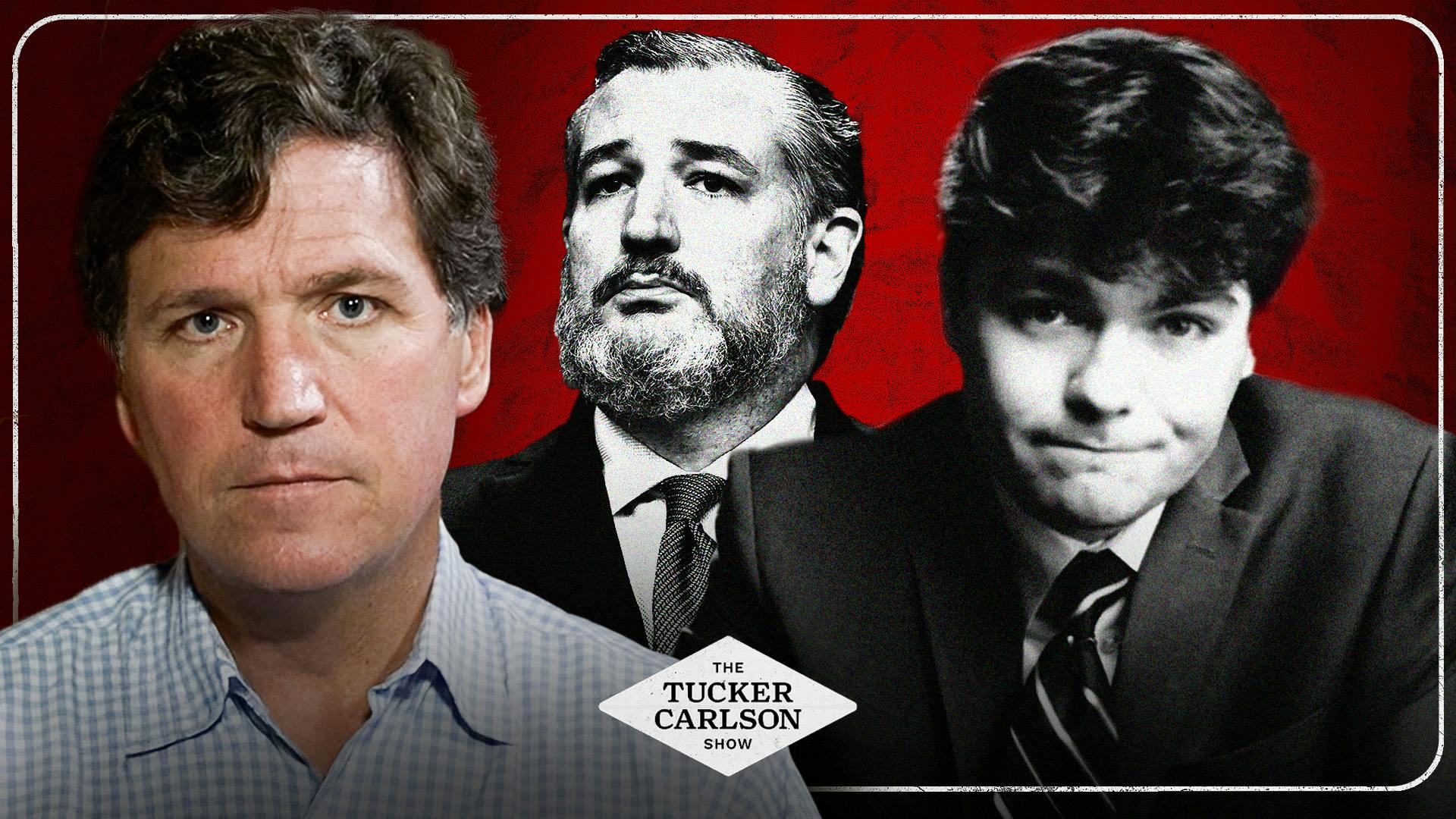
Overview of "Why Is Nick Fuentes So Popular? Nikki Haley's Son Explains." (Tucker Carlson Network)
This episode uses the controversy around Nick Fuentes as a lens to examine why many young Americans — especially young men — are drifting toward radical or populist figures. Tucker Carlson interviews Nalin Haley (24), son of Nikki Haley, to surface the grievances, social conditions, and cultural shifts that make audiences receptive to incendiary voices. The conversation shifts from media and elite behavior to economics (debt, housing), gender relations, immigration, foreign policy, and a noted religious turn among young men.
Key takeaways
- Nick Fuentes’ popularity is best understood as a symptom, not the root cause. His growth signals broader disaffection among younger men who feel ignored, attacked, and economically squeezed.
- Young men report cultural exclusion (DEI and public shaming), economic barriers (student debt, unaffordable housing, predatory lending), and a perceived collapse of institutions that once supported family and work.
- Labeling and ad-hominem attacks by elites and the media (calling people "Nazis" or "socialists") often backfire, strengthening the very figures being condemned.
- Many young conservatives distrust "Con Inc." (establishment conservative media and elites) for being out of touch, financially motivated, and unwilling to address bread-and-butter concerns.
- On foreign policy, younger conservatives tend to be skeptical of interventionism and increasingly question the costs and influence tied to U.S. support for foreign states (including Israel).
- There’s an observable turn toward traditional religion (Catholicism/Orthodoxy) among many young men, which some guests see as a stabilizing force.
- Nalin Haley articulates an America-First, worker-first economic outlook, skepticism toward mass migration and foreign lobbying, and a desire for political figures who reflect younger generations’ priorities.
Topics discussed
Why Fuentes is a useful signal
- Fuentes is framed as a barometer for disaffected young listeners, not the primary subject for moral absolution. The debate should focus on the grievances that feed his audience.
Media, elites, and moral authority
- Carlson and Haley criticize mainstream and conservative elites for moralizing while practicing exclusionary or self-interested policies (e.g., university admissions and corporate behavior), which undermines their authority to condemn others.
Economic pressures
- Rising housing costs (median home price cited ~$415K; average first-time buyer age cited as ~40) and crushing debt (student loans, credit cards, buy-now-pay-later schemes) are central drivers of younger generations’ despair and politicization.
- Corporate purchase of housing, mass immigration, and lax scrutiny of predatory lenders are singled out as structural drivers that harm native-born young workers.
Gender, masculinity, and family formation
- Young men feel publicly disparaged for being male; young women are portrayed as drifting toward different cultural and sexual norms. Both trends impair family formation, producing social isolation and resentment.
- Carlson and Haley advocate for renewing respect for family roles, healthier masculinity, and policies that make marriage and child-rearing realistic options.
Immigration and national cohesion
- The guests argue for tighter legal immigration, reduced foreign student intake, ending dual-citizenship perks in public office, and banning foreign lobbying — framing these moves as consistent with an America-First orientation and necessary for labor-market and cultural cohesion.
Foreign policy and Israel
- There is substantial skepticism among younger conservatives for interventionist wars and for open-ended foreign aid. Some see U.S. policy toward Israel as deserving of frank debate; they want foreign policy oriented toward American interests.
Spiritual revival
- Haley describes a personal religious conversion and notes a wider uptick in faith among young men, especially toward traditional Christianity (Catholicism/Orthodoxy), which they view as a corrective to modernity’s alienation.
Notable quotes / insights (paraphrased)
- "When every power center in the country declares war on you, you become a power center." — about how elite denunciations can strengthen activists.
- "It's immoral to dismiss the concerns of your countrymen as beneath consideration." — Carlson on why name-calling fails as a political response.
- Nalin Haley: "I decided I wasn't going to accept just what Con Inc. was giving me. I want to actually think for myself."
- On housing and debt: rising costs and predatory finance are turning basic life milestones (marriage, homeownership, kids) into impossible goals for many young people.
- On religion: authentic, lived faith (sacraments, confession) is filling a social and spiritual void for some younger men.
Action items / recommendations surfaced in the interview
For political leaders and institutions:
- Replace ad-hominem denouncements with substantive engagement: listen to the legitimate grievances young people express rather than only labeling them.
- Tackle structural economic problems: limit corporate buy-ups of housing, restrain predatory lending, revise student loan policies to hold institutions and lenders accountable.
- Reassess immigration policy: focus on assimilation, labor-market impacts, reduced foreign lobbying, and prioritizing American workers during economic fragility.
- Promote family-formation policies: make homeownership, childcare, and economic pathways feasible for younger adults; encourage institutions that support marriage and parenting.
For media and commentators:
- Avoid reflexive labeling that delegitimizes dialogue; that strategy often amplifies radical voices instead of nullifying them.
For civic and faith communities:
- Strengthen community institutions (churches, local organizations) that provide belonging, moral formation, and mentorship for young men and families.
Guest profile
- Nalin Haley (24) — son of Nikki Haley. Describes himself as conservative, critical of establishment conservative media ("Con Inc."), and America-First on economic and immigration questions. Rejects interventionist foreign policy, highlights the economic and cultural dislocation facing his generation, and reports a personal religious conversion leading to Catholicism. He expresses loyalty to family while independently forming political views.
Bottom line
The episode argues Nick Fuentes’ rise reveals systemic failures: cultural dismissal of young men, economic displacement, moral hypocrisy among elites, and broken institutions (family, media, politics). Carlson and Haley urge listening, structural reform, and cultural renewal (including religious life) as more effective responses than denunciation.